 By Owen Palmer
Updated November 2026
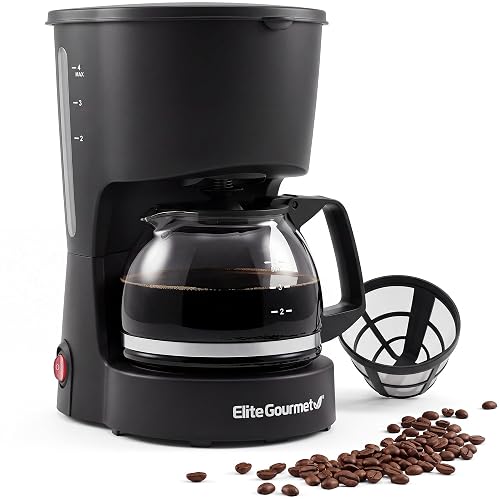
An Oxo drip coffee maker is a straightforward machine that can produce a clean, balanced cup every morning once you understand how it works and what it needs. In this guide, you will learn how to set up your oxo drip coffee maker, measure coffee and water correctly, brew a consistent pot, and keep the machine clean so the coffee keeps tasting good. Think of it as a practical routine rather than a complicated ritual.
What You Need Before You Start
Most of the results you get from any drip machine come down to three inputs: the water, the coffee and the equipment that holds them. Before your first brew, gather the following:
Shopping for one? See our guide: Drip Coffee Maker Pour Over: 7 Best Picks for Every Brewer (2026).
- Fresh, filtered or good-tasting tap water (not distilled, which can taste flat)
- Whole-bean coffee roasted within the last few weeks, ground just before brewing
- A digital kitchen scale for weighing coffee and water
- The paper filter size your model uses (check the manual or the filter basket)
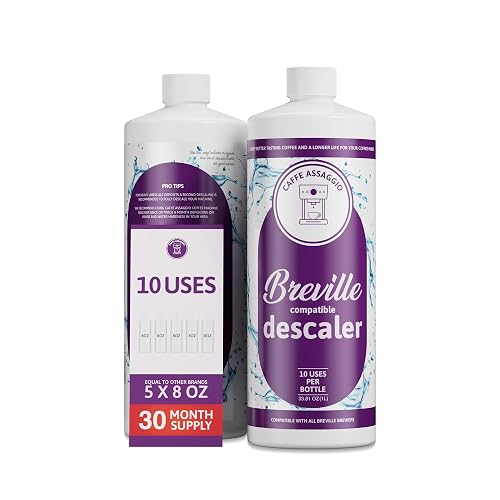
- A cleaning solution such as white vinegar or a descaling product for later
If you are still deciding which grind and brew setup suits your routine, our article on How to Choose a Drip Coffee Maker: Features That Actually Matter explains the features that affect daily use.
Step-by-Step: How to Brew with an Oxo Drip Coffee Maker
Brewing well is mostly about repeatable habits. Follow these steps the first few times, then adjust to your taste.
Step 1: Fill the Water Reservoir
Fill the reservoir with cold water to the line that matches the number of cups you want. Overfilling is harmless for the machine but can produce weak coffee if you pour water out later, so match the level to your brew size. For a deeper look, Best Programmable Drip Coffee Makers covers this in detail.
Step 2: Insert the Filter and Add Coffee
Place a paper filter in the basket and rinse it with a little hot water if you want to remove any papery taste. Then add ground coffee. A common starting ratio is about 1 gram of coffee for every 15 to 17 grams of water. For a standard 10-ounce mug, that is roughly 20 grams of water-to-coffee weight at about 1:16, or around 18 grams of coffee for a 300-gram water batch. Adjust in small steps: stronger coffee means more grounds, weaker means fewer.
Step 3: Choose the Grind Size
Drip machines work best with a medium grind, similar to coarse sand. A grind that is too fine slows the water and makes the coffee bitter. Too coarse and the water runs through quickly, leaving the cup thin and sour. If your coffee tastes harsh, go coarser; if it tastes sharp and watery, go finer.
Step 4: Start the Brew Cycle
Close the lid, make sure the carafe is seated on the warming plate, and press start. Wait for the cycle to finish before pouring. Pulling the carafe mid-brew can cause dripping and uneven extraction.
Step 5: Serve and Hold
Pour promptly. Coffee left on a warming plate for more than about 30 minutes tends to taste burnt and stale. If you expect to drink it later, transfer it to an insulated container.
Dialing In Your Brew: A Quick Reference
Use this table as a starting point and change one variable at a time.
| Problem | Likely Cause | Adjustment |
|---|---|---|
| Bitter or harsh taste | Grind too fine or too much coffee | Grind coarser or use less coffee |
| Sour or thin taste | Grind too coarse or too little coffee | Grind finer or add a bit more coffee |
| Weak coffee | Too much water for the grounds | Fill reservoir to the correct line |
| Stale or burnt flavor | Coffee sitting on the warming plate | Serve quickly or transfer to an insulated carafe |
Cleaning and Descaling Your Oxo Drip Coffee Maker
Mineral buildup from hard water slows brewing and can change the flavor of your coffee. Plan on a routine rather than waiting for problems.
Daily Cleaning
Rinse the carafe, lid and filter basket after each use. Wipe the outside of the machine so coffee oils do not harden on the surface.
Weekly or Monthly Descaling
- Empty any leftover coffee and remove the paper filter and basket.
- Fill the reservoir with a 1:1 mix of white vinegar and water, or use a descaling solution following the manufacturer’s directions.
- Run a full brew cycle without coffee grounds.
- Pause halfway through, let the solution sit for about 30 minutes, then finish the cycle.
- Run two or three cycles with plain fresh water to rinse out any vinegar smell or taste.
How often you descale depends on your water hardness. Owners in hard-water areas often descale monthly, while those with softer water may only need it a few times a year. For a deeper walkthrough, see How to Clean a Drip Coffee Maker with Vinegar: 6 Simple Steps.
Cleaning the Water Reservoir
The reservoir can develop film and odors even when the brew path looks clean. Wash it by hand with warm soapy water once a week and let it air dry fully before refilling. Our guide on How to Clean a Drip Coffee Maker’s Water Reservoir covers hard-to-reach corners.
Common Mistakes to Avoid
- Using stale coffee. Pre-ground coffee that has been open for weeks loses aroma quickly. Buy smaller bags and store them sealed away from heat and light.
- Skipping the scale. Scooping by eye leads to inconsistent results from pot to pot.
- Ignoring descaling. Scale slows the heating element and can make coffee taste dull.
- Leaving coffee on the warmer. Extended heating scorches the flavor. Serve or transfer promptly.
- Using the wrong filter size. A filter that does not sit flat can let grounds into the carafe.
Tips for Better Everyday Results
- Use filtered water for a cleaner taste and less mineral buildup.
- Keep a brewing log for a week, noting coffee weight, grind setting and taste. It makes adjustments much easier.
- Store whole beans in an airtight container and grind only what you need.
- Run a clean-water cycle before the first brew to flush out manufacturing residue.
Recommended gear
A few inexpensive tools make consistent brewing much easier.
- Digital kitchen scale. Weighing coffee and water is the single most useful habit for repeatable cups. View on Amazon
- Paper filters in the correct size. Matching your model’s basket keeps grounds out of your cup. View on Amazon
- Descaling solution. A dedicated product makes descaling simple and reduces the vinegar smell. View on Amazon
- Insulated carafe or thermal mug. Keeps coffee hot without a warming plate that can scorch it. View on Amazon
FAQ
How much coffee should I use in an Oxo drip coffee maker?
A good starting point is about 1 gram of coffee for every 16 grams of water. Adjust gradually to suit your taste, changing only one variable at a time.
Should I use filtered water?
Filtered water usually tastes cleaner and leaves less mineral scale. Distilled water can taste flat, so tap or filtered water is generally a better choice.
How often should I descale my drip coffee maker?
Many owners descale monthly in hard-water areas and every few months in softer-water regions. Check the manual for the manufacturer’s recommended interval.
Can I use vinegar to clean the machine?
White vinegar mixed 1:1 with water is a common descaling method. Run several plain-water cycles afterward so no taste or smell remains.
Why does my coffee taste bitter?
Bitterness usually comes from a grind that is too fine, too much coffee, or water that stays in contact with the grounds for too long. Try a coarser grind first.
Why is my coffee weak?
Weak coffee often means too much water for the amount of grounds. Check the reservoir level and make sure you are not using too little coffee.
Can I leave coffee on the warming plate for a long time?
It is better not to. Extended time on the warmer can make coffee taste burnt. Transfer it to an insulated container if you need it to stay hot.
Conclusion
An oxo drip coffee maker rewards a simple routine: good water, fresh coffee at a medium grind, a weighed ratio, and regular cleaning. Once you have dialed in your preferred strength, the process takes only a few minutes each morning. Keep descaling on a schedule and your machine will keep delivering consistent cups for years.
Related reading
- Zwilling Enfinigy Drip Coffee Maker Review: Is It Worth It?
- What to Expect from a Budget Drip Coffee Maker
- Smeg Drip Coffee Maker Guide: Brewing, Cleaning and Choosing the Right Model
Ready to choose one?
About Owen Palmer
Owen Palmer is part of our editorial team and reviews and edits our coffee machines guides, checking product details against manufacturer specifications and owner feedback.