 By Owen Palmer
Updated November 2026
An aarke drip coffee maker is a stainless steel, glass-free brewer built around a simple idea: consistent water temperature, even saturation and a clean-tasting cup. This guide walks you through unboxing and first-use setup, the brewing routine that gets the most out of the machine, the maintenance habits that keep it performing, and the mistakes owners most often run into. By the end, you should be able to brew a reliable pot every morning and know exactly what to do when something tastes off.
What Makes an Aarke Drip Coffee Maker Different
Aarke is a Swedish design company known for minimalist appliances with a focus on materials. Its drip brewers are generally marketed as plastic-light, using stainless steel housings and a carafe built to hold heat without relying on a hot plate. Because brewing and holding are handled differently than on a typical glass-carafe machine, the routine is a little different too. Owners often report that the coffee stays closer to brewing temperature for longer and that there is no scorched, bitter flavor from a warming plate.
Shopping for one? See our guide: Drip Coffee Maker Pour Over: 7 Best Picks for Every Brewer (2026).
Model names, capacities and features can change between generations, so check the manual that came in the box for the exact settings on your unit. The principles below apply broadly to the drip-style machines in the lineup.
Before You Brew: Setup and First Use
Good coffee starts before the first pot. A few minutes of setup prevents most of the problems people blame on the machine.
- Unpack the brewer and remove all packaging, stickers and protective films from the carafe and lid.
- Wash the carafe, lid, filter basket and any removable parts in warm water with mild dish soap. Rinse thoroughly.
- Place the brewer on a level, heat-resistant counter with at least a few inches of clearance behind and above it for steam.
- Fill the reservoir with fresh, cold water and run one full cycle with no coffee grounds. Discard the water.
- Run a second cycle with clean water to flush any manufacturing residue and any lingering smell.
Tools and Supplies You Will Need
- A kitchen scale accurate to 1 gram or 0.1 ounce
- A burr grinder set to a medium setting for drip coffee
- Paper filters that match the basket size (cone or flat-bottom, depending on your model)
- Filtered or softened water
- A soft cloth or sponge for wiping the exterior
- A descaling solution, or white vinegar, for periodic maintenance
How to Brew a Great Pot
Drip brewing is mostly about controlling three variables: the ratio of coffee to water, the grind size and the water temperature. The machine handles temperature for you, so your job is to get the first two right.
Step 1: Measure Your Coffee and Water
A common starting point for drip coffee is about 55 to 60 grams of water per 10 grams of coffee, which lands near a 1:16 to 1:18 ratio. For a six-cup pot, that usually means around 30 to 35 grams of coffee and roughly 900 to 1000 grams of water. Adjust from there based on taste. Weighing both ingredients is far more repeatable than scooping.
Step 2: Choose the Right Grind
For most drip brewers, a medium grind with a texture similar to coarse sand gives balanced extraction. If the coffee tastes sour or thin, grind a little finer. If it tastes harsh, bitter or hollow, go a little coarser. Make small changes, about one notch at a time, so you can tell what the adjustment did.
Step 3: Load the Filter and Water
Rinse the paper filter with hot water before adding coffee. This removes paper taste and warms the basket. Add the ground coffee, level the bed gently without pressing, and fill the reservoir to the line that matches your pot size.
Step 4: Brew and Serve
Start the cycle and let it finish completely before pouring. Serve promptly. Because the carafe is designed to keep coffee hot without a heating element, you may find that the first cup is the best one, especially in the first hour.
Dialing In Flavor: A Quick Reference
When the coffee is not quite right, use this table as a starting point. Change one variable at a time.
| Taste Problem | Likely Cause | What to Try |
|---|---|---|
| Sour, thin, sharp | Under-extraction, grind too coarse | Grind finer by one notch or add a little coffee |
| Bitter, harsh, dry finish | Over-extraction, grind too fine | Grind coarser or use slightly less coffee |
| Weak, watery | Too much water for the coffee | Increase coffee dose by about 5 percent |
| Muddy, sludge in cup | Fines passing through filter | Use fresh filters, grind slightly coarser, check basket seating |
| Paper or cardboard taste | Filter not rinsed | Rinse filter with hot water before brewing |
Routine Care and Descaling
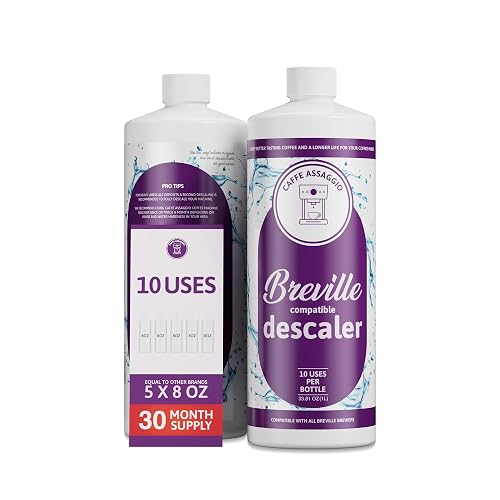
Mineral buildup from water is the main reason drip machines slow down and taste flat. Manufacturers generally recommend descaling on a regular schedule, and the right interval depends on how hard your water is and how often you brew. Many owners descale every one to three months in hard-water areas and less often with filtered water.
Rinse the carafe and lid after each use, wipe the exterior, and empty any leftover water from the reservoir if you will not be brewing for a day or more. Do not leave wet grounds sitting in the basket.
Descaling Steps
- Empty the carafe and remove the filter basket.
- Mix descaling solution according to the package directions, or use a 1:1 solution of white vinegar and water.
- Pour the solution into the reservoir and run a brew cycle without coffee grounds.
- Pause mid-cycle if your model allows, and let the solution sit for 15 to 30 minutes to loosen scale.
- Finish the cycle, discard the liquid, and rinse the reservoir.
- Run two or three full cycles with fresh water until there is no vinegar smell or taste.
For more detail on cleaning the water tank specifically, see How to Clean a Drip Coffee Maker’s Water Reservoir. If you prefer a vinegar-focused routine, How to Clean a Drip Coffee Maker with Vinegar: 6 Simple Steps covers the full process.
Common Mistakes
- Using tap water without thinking about it. Hard water speeds up scale. Filtered water is a simple fix.
- Skipping the scale. Coffee and water ratios are only repeatable if the machine itself is clean.
- Grinding too early. Pre-ground coffee loses aroma quickly. Grind just before brewing when you can.
- Letting coffee sit too long. Even a well-insulated carafe will slowly lose flavor. Plan to drink within an hour or two.
- Changing too many variables at once. Adjust grind or dose one step at a time so you know what made the difference.
- Ignoring the filter basket. Old oils and fines build up. Wash it regularly with warm water.
Tips for Better Results Every Day
- Store whole beans in an airtight container away from heat and light.
- Keep a short brew log noting dose, grind setting and taste. It makes dialing in much faster.
- Preheat the carafe with a splash of hot water before brewing if you want a warmer first cup.
- If you are new to drip brewing in general, Drip Over Coffee Maker Guide: How to Brew Better Coffee at Home offers useful background on extraction.
- For a broader view of how drip machines compare, How to Choose a Drip Coffee Maker: Features That Actually Matter explains which features affect everyday brewing.
Recommended gear
A few supplies make a noticeable difference with any drip brewer, including this one.
- Burr grinder: Uniform particles produce more even extraction than blade grinders. Look for a conical or flat burr model with multiple settings for drip coffee. View on Amazon
- Digital kitchen scale: A scale that reads in grams makes ratios repeatable from pot to pot. View on Amazon
- Paper filters matched to your basket: The right size and shape prevent bypass and sludge. View on Amazon
- Descaling solution: A purpose-made descaler is convenient, though white vinegar works well too. View on Amazon
FAQ
Do I need to use paper filters with an aarke drip coffee maker?
Check your model’s manual. Most drip brewers in this category use standard paper filters, and using them keeps the carafe and basket easier to clean. Some owners also use reusable metal filters, but those can allow more fine particles through.
How often should I descale my machine?
A common guideline is every one to three months, depending on water hardness and how often you brew. If you notice slower brewing or a flat taste, descale sooner.
Can I use vinegar to clean it?
White vinegar diluted 1:1 with water is a widely used descaling method. Run several fresh-water cycles afterward so no vinegar taste remains.
Why does my coffee taste weak even though I used the right amount?
Weak coffee often comes from a grind that is too coarse, too much water for the dose, or a dirty machine. Try a finer grind first and recheck your ratio with a scale.
How long will coffee stay hot in the carafe?
Insulated carafes hold heat well for an hour or two. Flavor declines over time, so serve within that window for the best cup.
Is it safe to leave water sitting in the reservoir?
Empty it if you will not brew for a day or more. Standing water can develop odor and encourage residue. Rinse and dry the reservoir before storing.
What grind size should I use?
Medium is the usual starting point for drip. Adjust finer or coarser based on whether the coffee tastes sour or bitter.
Conclusion
An aarke drip coffee maker rewards a consistent routine: fresh filtered water, a scale-measured dose, a grind you adjust deliberately, and regular descaling. Spend a few brews dialing in your ratio and grind, keep a simple log, and the machine will reliably produce a clean, balanced cup. When flavor drifts, return to the basics before blaming the equipment.
Related reading
Ready to choose one?
About Owen Palmer
Owen Palmer is part of our editorial team and reviews and edits our coffee machines guides, checking product details against manufacturer specifications and owner feedback.