
 By Owen Palmer
Updated November 2026
A stove top coffee espresso maker, usually called a moka pot, is one of the most affordable ways to get strong, concentrated coffee at home without buying a pump machine. This guide compares five well-known models for the buyer who wants a dependable stovetop brewer. Our selection criteria are cup capacity, build material and heat compatibility, ease of cleaning and replacing gaskets, the reputation of the manufacturer, and the patterns owners tend to report over time. We did not run these machines ourselves; the picks reflect manufacturer specifications and widely shared owner feedback.
Our top picks at a glance
- 1
 TOP CHOICEBest overallBialetti Moka Express Iconic Italian Stovetop Espresso MakerView on Amazon
- 2
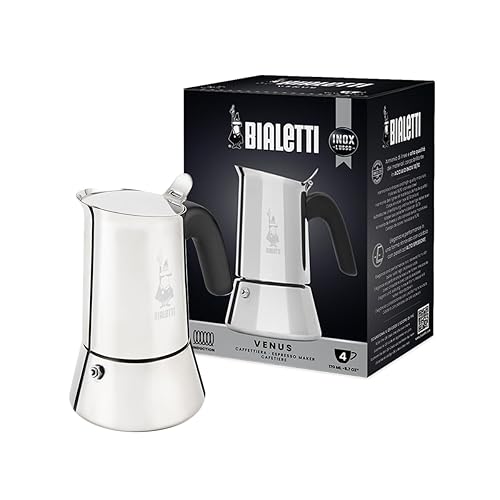 TOP CHOICEBest for induction cooktopsBialetti Venus Induction Stovetop Coffee MakerView on Amazon
- 3
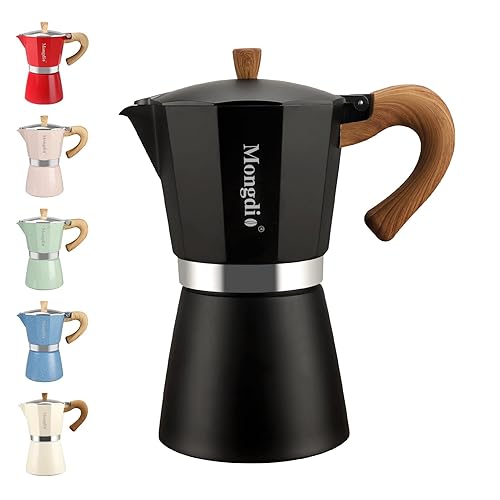 TOP CHOICEBest for small kitchensMongdio Stovetop Espresso Maker Moka PotView on Amazon
- 4
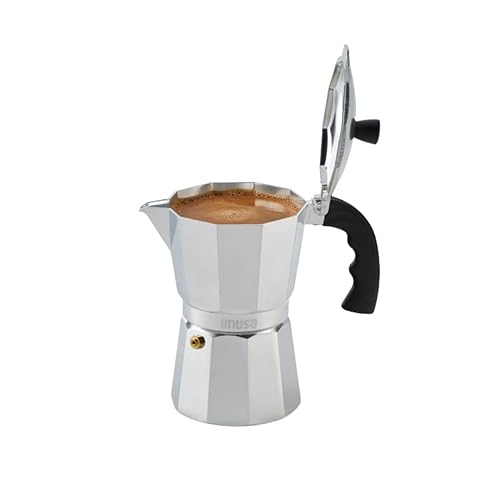 Best budget pickImusa USA Aluminum Stovetop Espresso MakerView on Amazon
- 5
 Best for a classic Italian feelPrimula Classic Stovetop Espresso and Coffee MakerView on Amazon
Our Top Picks
Quick Comparison
| Product | Best for | Key feature |
|---|---|---|
| Bialetti Moka Express Iconic Italian Stovetop Espresso Maker | Traditional stovetop brewing | Classic eight-sided aluminum body |
| Bialetti Venus Induction Stovetop Coffee Maker | Induction cooktops | Stainless steel base for induction compatibility |
| Mongdio Stovetop Espresso Maker Moka Pot | Small kitchens | Compact six-cup capacity in a black finish |
| Imusa USA Aluminum Stovetop Espresso Maker | Budget-minded buyers | Lightweight aluminum construction |
| Primula Classic Stovetop Espresso and Coffee Maker | Classic Italian and Cuban-style brewing | Six-cup greca-style design |
Bialetti Moka Express Iconic Italian Stovetop Espresso Maker
Bialetti Moka Express Iconic Italian Stovetop Espresso Maker (Natural Silver, 6 Cups)
Best for: Buyers who want the most recognizable moka pot design and a long track record.
This is the model most people picture when they hear “moka pot.” It suits anyone who brews on a gas or electric coil stove and wants a traditional, hands-on routine. It is a strong starting point for a first stovetop espresso maker.
Key specs
- Six-cup (espresso-cup) capacity
- Aluminum body with a natural silver finish
- Stovetop use on gas and electric burners
Pros
- Iconic, proven design that has been in production for decades
- Replacement gaskets and filter plates are widely available
- Simple to take apart and clean
Cons
- Aluminum is not induction compatible
- Requires attention to heat level to avoid a scorched, bitter brew
Bottom line: A safe first choice for most home brewers on conventional stoves who want a reliable classic.
Bialetti Venus Induction Stovetop Coffee Maker
Bialetti – Venus Induction, Stovetop Coffee Maker, Suitable for all Types of Hobs, Stainless Steel, 4 Cups (5.7 Oz), Silver
Best for: Households with an induction cooktop.
Standard aluminum moka pots do not heat on induction hobs. This model is built with a stainless steel base so it works on induction as well as gas and electric. It is the logical pick if your kitchen is induction-only.
Key specs
- Four-cup (5.7 oz) capacity
- Stainless steel construction
- Compatible with all hob types, including induction
Pros
- Works on induction cooktops where most moka pots do not
- Stainless steel resists staining and is easy to wipe clean
- Same familiar moka brewing method
Cons
- Smaller four-cup capacity than the six-cup models
- Stainless steel conducts heat differently, so owners often need to lower the flame sooner
Bottom line: The best fit for induction users; for gas or electric stoves, a six-cup aluminum model may suit better.
Mongdio Stovetop Espresso Maker Moka Pot
Mongdio Stovetop Espresso Maker Moka Pot, Cuban Coffee Maker Stove Top Coffee Maker Moka Italian Espresso Greca Coffee Maker Brewer Percolator, 6 Espresso Cups, 10 oz – Black
Best for: Small kitchens and apartment cooks who need a compact brewer.
This model is a six-cup moka pot in a black finish, sized for a single-person or couple’s household. Its footprint is modest and it stores easily in a cabinet.
Key specs
- Six espresso-cup capacity (listed at 10 oz)
- Black finish
- Stovetop use on conventional burners
Pros
- Compact, space-saving size
- Familiar moka pot brewing method
- Good choice for a second or travel-sized brewer
Cons
- Brand is less established than Bialetti, so parts availability may vary
- Owners often recommend checking the gasket fit before first use
Bottom line: A practical choice for small kitchens, as long as you check parts availability before buying.
Imusa USA Aluminum Stovetop Espresso Maker
Ideal for Brewing Espresso Imusa USA Aluminum Stovetop 6-cup Espresso Maker (B120-43V), Silver
Best for: Budget-minded buyers who want a basic stovetop espresso maker.
Imusa is a long-established name in affordable aluminum cookware, and this six-cup model reflects that focus. It is a no-frills option for anyone who wants to try moka-style coffee without a larger investment.
Key specs
- Six-cup (espresso-cup) capacity
- Aluminum construction in a silver finish
- Stovetop use on gas and electric burners
Pros
- Lightweight and easy to handle
- Simple design with few parts to manage
- Good entry point for trying stovetop espresso
Cons
- Thinner aluminum can heat unevenly on some burners
- Not induction compatible
Bottom line: A sensible budget pick for a conventional stove, especially for occasional use.
Primula Classic Stovetop Espresso and Coffee Maker
Primula Classic Stovetop Espresso and Coffee Maker, Moka Pot for Italian and Cuban Café Brewing, Greca Coffee Maker, Cafeteras, 6 Espresso Cups, Silver
Best for: Buyers who want a classic greca-style pot for Italian or Cuban-style coffee.
This Primula model follows the traditional stovetop percolator-style design used for strong, sweet Cuban-style coffee and classic Italian brewing. It suits someone who enjoys a bolder, slightly different brew from a standard moka pot.
Key specs
- Six espresso-cup capacity
- Silver finish
- Stovetop use on gas and electric burners
Pros
- Suited to traditional Cuban and Italian-style recipes
- Straightforward, low-tech operation
- Affordable for its capacity
Cons
- Brewing style differs from a true moka pot, so results vary
- Owners often recommend a finer grind check to prevent over-extraction
Bottom line: Best for anyone who specifically wants greca-style coffee rather than a standard moka brew.
Buying Guide
Cup Capacity and Household Size
Stovetop makers are sized by espresso cups, which are small, around 1.5 to 2 ounces each. A “six-cup” pot yields roughly 9 to 12 ounces of brewed coffee, not six full mugs. Match the size to how many people you brew for at one time. Owners who make a single morning cup often find a three- or four-cup pot easier to manage.
Good picks for this: Bialetti Moka Express Iconic Italian Stovetop Espresso Maker, Mongdio Stovetop Espresso Maker Moka Pot
Stove Compatibility
Check your cooktop before buying. Aluminum moka pots work on gas and electric coil or smooth-top burners but will not heat on induction. Induction users need a stainless steel base or a magnetic material. Confirm the base in the product specifications before purchase.
Good picks for this: Bialetti Venus Induction Stovetop Coffee Maker, Imusa USA Aluminum Stovetop Espresso Maker
Build Material and Durability
Aluminum is light and heats quickly, but it can react with acidic foods and wears faster if it is scrubbed hard. Stainless steel is more durable and does not stain as easily, though it heats more slowly and may need a lower flame. Thicker walls generally resist warping better over years of use.
Good picks for this: Bialetti Venus Induction Stovetop Coffee Maker, Bialetti Moka Express Iconic Italian Stovetop Espresso Maker
Safety Valve and Pressure Release
Moka pots build pressure as water is forced up through the grounds. A safety valve releases excess pressure if the pot is overfilled or the filter clogs. Never fill the water chamber above the safety valve, and never block the valve. Keep the handle cool and use a moderate flame. If you have concerns about pressure cookware or a damaged valve, consult the manufacturer or a qualified appliance repair professional.
Good picks for this: Bialetti Moka Express Iconic Italian Stovetop Espresso Maker, Primula Classic Stovetop Espresso and Coffee Maker
Ease of Cleaning and Replacement Parts
Gaskets and filter plates wear out and need replacing, often after a year or more of regular use. Choose a brand whose parts are easy to find. Rinse the pot after each use, avoid dishwashers and detergent that can damage the seal, and dry it fully before storing. Descaling is less of an issue than with drip machines, but mineral buildup can still affect flavor over time.
Good picks for this: Bialetti Moka Express Iconic Italian Stovetop Espresso Maker, Imusa USA Aluminum Stovetop Espresso Maker
Grind Size and Brewing Technique
Moka pots need a fine, consistent grind, close to table salt, but not as fine as pump espresso. Grounds that are too fine can clog the filter and cause bitter coffee. Fill the basket level without tamping, and keep the heat at low to medium so the brew rises gently rather than sputtering.
Good picks for this: Primula Classic Stovetop Espresso and Coffee Maker, Mongdio Stovetop Espresso Maker Moka Pot
Brand Reputation and Owner Feedback
Established brands with long production histories usually offer better parts support and more community knowledge. Owners frequently mention that heat control matters more than the brand itself, so a well-known model used correctly often outperforms a cheaper one used carelessly. Read recent owner comments for patterns such as leaking gaskets or uneven heating.
Good picks for this: Bialetti Moka Express Iconic Italian Stovetop Espresso Maker, Bialetti Venus Induction Stovetop Coffee Maker
FAQ
What is a stove top coffee espresso maker?
It is a stovetop brewer, commonly called a moka pot, that forces hot water through ground coffee using steam pressure from the boiling chamber below. The result is a concentrated coffee that is strong but not true espresso, since true espresso uses a pump and higher pressure.
Can a stove top espresso maker make real espresso?
Not in the strict sense. Stovetop makers typically produce pressure of about 1 to 2 bar, while espresso machines use around 9 bar. Stovetop brews are rich and intense, but they lack the crema and body of pump espresso.
Do moka pots work on induction cooktops?
Standard aluminum models do not. You need a model with a stainless steel or magnetic base. Check the specifications before buying, and confirm that your cooktop is induction-compatible.
How much coffee should I put in a moka pot?
Fill the filter basket level with fine grounds and do not tamp. Follow the manufacturer’s guidance for your model, since basket size varies. Overfilling can prevent the pot from sealing and may cause leaks. A related read: Top Stove Coffee Maker Picks: 7 Best Stovetop Brewers (2026).
How do I clean a stove top coffee espresso maker?
Rinse the parts with warm water after each use and dry them completely. Avoid harsh scrubbing that can damage the surface. Replace the rubber gasket when it becomes stiff or cracked, and descale periodically if your water is hard.
Is a stovetop espresso maker safe to use?
It is generally safe when used as directed. Keep the handle cool, use a moderate flame, never block the safety valve, and never overfill the water chamber. If the pot shows damage or the valve is not working, stop using it and consult the manufacturer or a qualified repair professional.
Conclusion
For most home cooks on a conventional stove, the Bialetti Moka Express Iconic Italian Stovetop Espresso Maker is the most dependable starting point, backed by its long history and easy-to-find parts. If your kitchen is induction-only, the Bialetti Venus Induction Stovetop Coffee Maker is the logical choice. Buyers with limited counter space may prefer the Mongdio Stovetop Espresso Maker Moka Pot, while the Imusa USA Aluminum Stovetop Espresso Maker suits those on a tight budget. Anyone who wants a traditional greca-style brew should consider the Primula Classic Stovetop Espresso and Coffee Maker. Whichever you choose, matching cup capacity to your household and checking your stove type first will do the most to improve your results.
If you also want to compare electric alternatives, see Mr Coffee Maker Espresso Machine: 5 Best Picks Compared (2026) or Moka Coffee Maker Bialetti: 5 Best Models for Stovetop Espresso (2026). For cleaning and maintenance, How to Descale a Coffee Maker and Espresso Machine Safely covers the basics, and Coffee Maker Troubleshooting: Not Brewing, Weak or Bitter Coffee, Leaks and Espresso Problems helps with common brewing issues.
Sources
- Consumer safety guidance on small kitchen appliances and pressure-related hazards (cpsc.gov)
- Information on efficient cooking and home appliance energy use (energy.gov)
- Safety standards and certification information for household cooking appliances (ul.com)
Related reading
- 7 Best Stainless Steel Moka Coffee Makers for Stovetop Espresso (2026)
- 6 Best Mr Coffee Coffee Espresso Maker Picks for Home Baristas (2026)
About Owen Palmer
Owen Palmer is part of our editorial team and reviews and edits our coffee machines guides, checking product details against manufacturer specifications and owner feedback.


