
 By Owen Palmer
Updated November 2026
Looking for a top stove coffee maker that brews strong coffee without electricity? Stovetop brewers, including moka pots and stovetop percolators, are a long-running option for people who want a concentrated cup with minimal gear. This guide compares seven widely sold models using research-based criteria: the brewing method each one uses, its cup capacity, the materials it is built from, how it is generally reported to perform on common stove types, and the owner feedback patterns that show up most often. No single model fits every kitchen, so the picks below are arranged by fit.
Our top picks at a glance
- 1
 TOP CHOICEBest overallBialetti Moka Express Iconic Italian Stovetop Espresso MakerView on Amazon
- 2
 TOP CHOICEBest for induction cooktopsBialetti Venus Induction Stovetop Coffee MakerView on Amazon
- 3
 TOP CHOICEBest for dishwasher-safe cleanupFarberware Classic Stainless Steel Yosemite 12-Cup Coffee PercolatorView on Amazon
- 4
 Best for larger batchesPrimula Today Aluminum Stove Top Percolator Maker, 9 CupView on Amazon
- 5
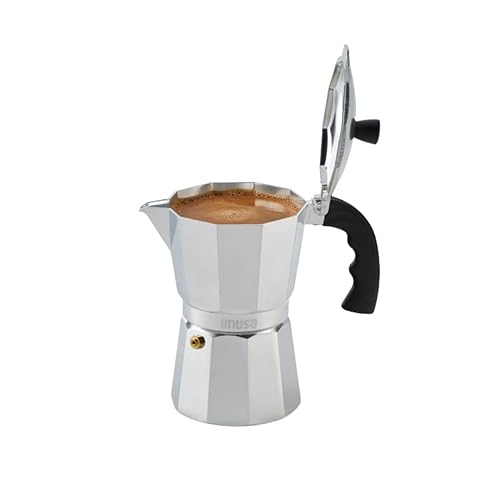 Best budget pickImusa USA Aluminum Stovetop 6-Cup Espresso MakerView on Amazon
- 6
 Best for classic Italian-style brewingPrimula Classic Stovetop Espresso and Coffee MakerView on Amazon
- 7
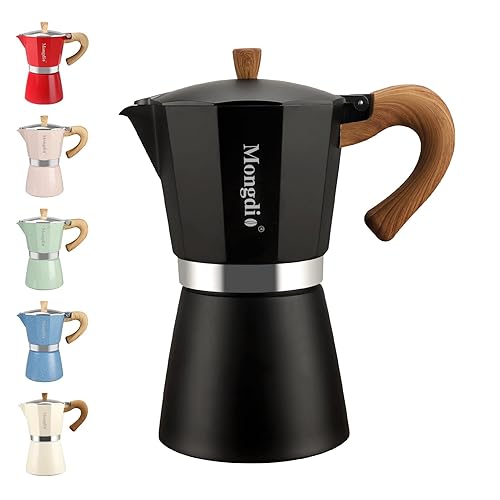 Best for a black finishMongdio Stovetop Espresso Maker Moka Pot, 10 oz BlackView on Amazon
Our Top Picks
Before comparing models, it helps to know what drives the choice. Owners most often mention five things: cup capacity, cooktop compatibility (gas, electric, or induction), whether the body is aluminum or stainless steel, how easy the parts are to clean and replace, and the flavor they get from the brewing method. Moka pots produce a strong, espresso-style concentrate. Percolators cycle hot water through the grounds and give a bolder, more coffee-forward cup that many people prefer for larger pours.
Bialetti Moka Express Iconic Italian Stovetop Espresso Maker
Bialetti Moka Express Iconic Italian Stovetop Espresso Maker (Natural Silver, 6 Cups)
Best for: Everyday moka pot brewing for households that want the classic Italian stovetop experience.
This is the model most people picture when they hear “moka pot.” It suits anyone who wants a dependable, familiar design and a concentrated cup for milk drinks or straight espresso-style shots.
Key specs:
- Listed as a 6-cup stovetop espresso maker
- Natural silver finish
- Stovetop brewing for gas and electric cooktops
Pros:
- Well-established design with a long track record among stovetop users
- Replacement gaskets and filter baskets are widely available
- Simple to take apart for rinsing
Cons:
- Not dishwasher safe, so hand washing is required
- Owners sometimes report the gasket needs replacing after a year or more of regular use
Bottom line: The safest first choice for someone who wants a traditional moka pot and does not mind hand washing.
Bialetti Venus Induction Stovetop Coffee Maker
Bialetti – Venus Induction, Stovetop Coffee Maker, Suitable for all Types of Hobs, Stainless Steel, 6 Cups (7.9 Oz), Silver
Best for: Induction cooktop owners who need a moka pot that works on their stove.
Induction cooktops need magnetic bases, and many aluminum moka pots will not heat on them. This model is built with a base designed for induction use, so it fits kitchens that rely on that type of cooktop.
Key specs:
- Listed as a 6-cup stovetop coffee maker, 7.9 oz capacity
- Stainless steel construction
- Compatible with all types of hobs, including induction
Pros:
- Works on induction, where most aluminum pots do not
- Stainless steel body is generally more resistant to staining than aluminum
- Same familiar moka brewing method
Cons:
- Stainless steel heats more slowly than aluminum on gas or electric burners
- Smaller 6-cup capacity may feel limiting for larger households
Bottom line: The right pick for induction kitchens. If your stove is gas or electric, a standard aluminum moka pot may brew a little faster.
Farberware Classic Stainless Steel Yosemite 12-Cup Coffee Percolator
Rich coffee on the stovetop, stovetop coffee maker, stainless steel coffee pot, dishwasher safe Farberware Classic Stainless Steel Yosemite 12-Cup Coffee Percolator
Best for: Dishwasher-friendly stovetop brewing for a larger group.
Percolators make a fuller, more robust cup than moka pots. This stainless steel model suits households that brew multiple cups at once and want easy cleanup.
Key specs:
- 12-cup capacity
- Stainless steel body
- Listed as dishwasher safe
Pros:
- Dishwasher safe, which many owners appreciate
- Stainless steel resists odor absorption
- Larger batch size than most moka pots
Cons:
- Percolated coffee is generally bolder and can taste harsher if brewed too long
- Needs close attention on the burner to avoid over-extraction
Bottom line: A good match for families or guests who want a bigger pot with easy cleanup.
Primula Today Aluminum Stove Top Percolator Maker, 9 Cup
Primula Today Aluminum Stove Top Percolator Maker Durable, Brew Coffee On Stovetop, 9 Cup, Silver
Best for: Larger batches on a gas or electric stove at a modest footprint.
A 9-cup aluminum percolator fits people who want a bigger batch than a standard moka pot without moving up to a large electric machine.
Key specs:
- 9-cup capacity
- Aluminum body, silver finish
- Stovetop operation
Pros:
- Heats quickly on gas and electric burners
- Lightweight and easy to store
- Good capacity for the price class of stovetop percolators
Cons:
- Aluminum can discolor over time, especially with hard water
- Not induction compatible
Bottom line: A practical choice for households on gas or electric stoves that want more coffee per brew.
Imusa USA Aluminum Stovetop 6-Cup Espresso Maker
Ideal for Brewing Espresso Imusa USA Aluminum Stovetop 6-cup Espresso Maker (B120-43V), Silver
Best for: A budget-friendly stovetop espresso maker for occasional use.
Shoppers who want to try stovetop espresso without committing to a premium model often start with a basic aluminum moka pot like this one.
Key specs:
- 6-cup stovetop espresso maker
- Aluminum construction, silver finish
- Model B120-43V
Pros:
- Simple, straightforward design
- Lightweight and easy to handle
- Good starting point for learning moka pot technique
Cons:
- Aluminum requires careful hand washing and drying to prevent corrosion
- Gaskets and parts may be harder to source than from the best-known moka brands
Bottom line: A sensible low-commitment pick for trying stovetop espresso at home.
Primula Classic Stovetop Espresso and Coffee Maker
Primula Classic Stovetop Espresso and Coffee Maker, Moka Pot for Italian and Cuban Café Brewing, Greca Coffee Maker, Cafeteras, 6 Espresso Cups, Silver
Best for: Italian and Cuban-style café brewing in a traditional moka form.
This moka pot suits people who want the classic greca style, often used for Cuban coffee, and a six-serving capacity for daily use. We also found 6 Best Coffee Maker on Stove Options for Stovetop Brewing (2026) useful on this point.
Key specs:
- 6 espresso cup capacity
- Silver finish
- Designed for stovetop use
Pros:
- Traditional design suited to Cuban and Italian coffee styles
- Compact footprint for smaller stovetops
- Simple to clean
Cons:
- Requires careful watch on the burner to avoid scorching the grounds
- Not dishwasher safe
Bottom line: A strong choice for anyone who wants authentic greca-style coffee at a modest size.
Mongdio Stovetop Espresso Maker Moka Pot, 10 oz Black
Mongdio Stovetop Espresso Maker Moka Pot, Cuban Coffee Maker Stove Top Coffee Maker Moka Italian Espresso Greca Coffee Maker Brewer Percolator, 6 Espresso Cups, 10 oz – Black
Best for: A moka pot with a black exterior for a modern kitchen look.
Buyers who want a stovetop brewer that matches a darker color palette, and who are comfortable with a lesser-known brand, may find this model appealing.
Key specs:
- 6 espresso cup capacity, listed as 10 oz
- Black finish
- Stovetop moka pot design
Pros:
- Black finish is less prone to showing water spots than polished metal
- Traditional moka brewing method
- Compact size
Cons:
- Less established brand, so long-term parts availability is harder to confirm
- Coating finishes can wear with abrasive scrubbing
Bottom line: Worth considering for the color, but check replacement parts before buying if long-term support matters to you.
Buying Guide
Use these factors to narrow the list before you buy. If you are also comparing other brewing styles, our guide to Best Pour Over Coffee Makers covers a different approach, and Drip Coffee Maker Pour Over: 7 Best Picks for Every Brewer (2026) is useful if you want to compare the two.
Cookware Type: Aluminum vs. Stainless Steel
Aluminum heats quickly and is common in traditional moka pots. Stainless steel is generally more durable against staining and odor, and it is the only practical option for many induction setups. Stainless steel heats more slowly, so expect a longer time to first brew.
Good picks for this: Bialetti Venus Induction Stovetop Coffee Maker, Farberware Classic Stainless Steel Yosemite 12-Cup Coffee Percolator
Cooktop Compatibility
Check your cooktop before buying. Gas and electric coil or smooth-top burners work with most aluminum models. Induction requires a magnetic base, so confirm the product is listed as induction compatible.
Good picks for this: Bialetti Venus Induction Stovetop Coffee Maker, Bialetti Moka Express Iconic Italian Stovetop Espresso Maker
Capacity and Cup Size
Stovetop brewers are often rated by “cups,” but a “cup” in moka pot terms is a small espresso-sized serving, not a standard mug. A 6-cup moka pot produces roughly two to three full mugs, while a 9- or 12-cup percolator can cover a small group. Match capacity to how many people you usually brew for.
Good picks for this: Primula Today Aluminum Stove Top Percolator Maker, 9 Cup, Farberware Classic Stainless Steel Yosemite 12-Cup Coffee Percolator
Brewing Method: Moka Pot vs. Percolator
Moka pots push steam through grounds to produce a concentrated coffee. Percolators cycle boiling water over grounds repeatedly, which tends to produce a bolder, stronger-tasting cup. Decide which flavor profile you prefer before choosing a model.
Good picks for this: Bialetti Moka Express Iconic Italian Stovetop Espresso Maker, Farberware Classic Stainless Steel Yosemite 12-Cup Coffee Percolator
Cleaning and Dishwasher Safety
Many stovetop brewers are hand wash only. Check whether the manufacturer lists dishwasher safe use, and remember that gaskets, filters, and seals should be rinsed and dried thoroughly after each use. Avoid harsh abrasives on coated surfaces.
Good picks for this: Farberware Classic Stainless Steel Yosemite 12-Cup Coffee Percolator, Imusa USA Aluminum Stovetop 6-Cup Espresso Maker
Durability and Replacement Parts
Gaskets are the most common wear part on moka pots and usually need replacing over time. Brands with widely available replacement parts make long-term ownership easier. Stainless steel generally holds up longer than thin aluminum.
Good picks for this: Bialetti Moka Express Iconic Italian Stovetop Espresso Maker, Primula Classic Stovetop Espresso and Coffee Maker
Use Case and Flavor Preference
If you want an espresso-style concentrate for milk drinks, a moka pot is the better fit. If you want a larger, bolder cup for a group, a percolator makes more sense. Think about how you actually drink coffee day to day.
Good picks for this: Primula Classic Stovetop Espresso and Coffee Maker, Primula Today Aluminum Stove Top Percolator Maker, 9 Cup
FAQ
What is the best stovetop coffee maker for beginners?
A standard 6-cup moka pot is usually the easiest starting point. It is simple to operate, has few parts, and the brewing process is quick to learn. The Bialetti Moka Express Iconic Italian Stovetop Espresso Maker is a common choice for newcomers.
Can you use a stovetop coffee maker on an induction cooktop?
Only if it is made for induction. Induction needs a magnetic base, and many aluminum moka pots will not heat on induction. Look for explicit induction compatibility in the product listing.
Is a moka pot the same as espresso?
No. Moka pots produce a strong, concentrated coffee that is often called “espresso-style.” True espresso machines use higher pressure and produce a different crema and body. Moka pot coffee is strong but usually less intense than a commercial espresso shot.
How do I clean a stovetop coffee maker?
Let the pot cool, rinse the parts with warm water, and avoid soap that can leave residue on the brewing chamber. Dry all parts fully. Replace the gasket when it becomes hard, cracked, or no longer seals well. Check your manufacturer’s care instructions for specifics.
How long does a stovetop coffee maker take to brew?
Most moka pots brew in roughly five to ten minutes on a medium burner, depending on size and heat source. Percolators typically take longer. Remove the pot from heat as soon as brewing finishes to avoid bitterness.
Do stovetop coffee makers need a filter?
Moka pots use a metal filter plate and do not need paper filters. Percolators also typically use a basket or built-in filter. Replacing or cleaning these filters regularly helps keep the flavor clean.
Conclusion
For most kitchens, the Bialetti Moka Express Iconic Italian Stovetop Espresso Maker is a sound first choice, with the Bialetti Venus Induction Stovetop Coffee Maker as the pick for induction cooktops. If you brew for a group, the Farberware Classic Stainless Steel Yosemite 12-Cup Coffee Percolator and the Primula Today Aluminum Stove Top Percolator Maker, 9 Cup offer more capacity. Budget shoppers may find the Imusa USA Aluminum Stovetop 6-Cup Espresso Maker a practical entry point, and those who want a traditional greca style will appreciate the Primula Classic. Match the model to your cooktop, your batch size, and the flavor you prefer, and you will get a stovetop brewer that suits your kitchen.
Sources
- General guidance on home appliance energy use and efficient cooking practices (energy.gov)
- Consumer safety information on stovetop cookware and kitchen appliance use (cpsc.gov)
- Food safety guidance on cookware materials and cleaning (fda.gov)
Related reading
- Vintage Drip Coffee Maker: 5 Best Retro Picks for Everyday Brewing
- Use White Vinegar to Clean Coffee Maker: 5 Best Descalers Compared (2026)
About Owen Palmer
Owen Palmer is part of our editorial team and reviews and edits our coffee machines guides, checking product details against manufacturer specifications and owner feedback.


