 By Owen Palmer
Updated November 2026
Cleaning a drip coffee maker takes about an hour from start to finish, and it removes the mineral scale, oil buildup, and old coffee residue that make brewed coffee taste flat or bitter. You will descale the machine, clean the carafe and filter basket, and rinse the water path so the next pot tastes like the beans, not the machine. A regular routine also helps the heating element and internal tubing last longer.
Gather What You Need
Most of what you need is already in the kitchen. Manufacturers typically recommend a descaling solution made for coffee makers, but plain white vinegar works well for most household machines.
Shopping for one? See our guide: Drip Coffee Maker Pour Over: 7 Best Picks for Every Brewer (2026).
- White distilled vinegar or a commercial descaler
- Fresh water for rinsing
- Warm soapy water and a soft sponge or brush
- A clean cloth or paper towels
- A small brush for the shower head and filter basket
How to Clean a Drip Coffee Maker Step by Step
Start with a cold machine and an empty carafe. Work through the steps below in order, since descaling comes before the final rinse.
- Remove leftover grounds and filter. Discard any used grounds and rinse the basket.
- Wash the removable parts. Wash the carafe, lid, and filter basket in warm soapy water. Most carafes and baskets are dishwasher safe, but check your manual first.
- Mix the descaling solution. Fill the water reservoir with equal parts white vinegar and water, up to the max line. For a commercial descaler, follow the package directions.
- Run a brew cycle with no coffee. Place the carafe in position, start the machine, and let the vinegar solution run through. Stop it halfway and wait 30 to 60 minutes so the solution can break down scale, then finish the cycle.
- Flush with plain water. Empty the carafe, refill the reservoir with fresh water, and run at least two full cycles. Smell the water after each one; if it still smells like vinegar, run another cycle.
- Wipe the exterior. Use a damp cloth on the outside, the warming plate, and the control panel. Dry everything before you put it back in use.
Clean the Water Reservoir and Shower Head
The reservoir and the shower head, the small plate that sprays water over the grounds, collect mineral deposits and coffee oil. Wipe the inside of the reservoir with a damp sponge, then use a small brush to clean the holes in the shower head. Dirty shower head holes can cause uneven saturation, which leads to weak or sour coffee. For a deeper look at the reservoir, see How to Clean a Drip Coffee Maker’s Water Reservoir.
How Often to Descale and Clean
How often you clean depends on how much you brew and how hard your water is. Use this as a starting point:
| Task | Suggested frequency |
|---|---|
| Wash carafe, lid, and basket | After each use or daily |
| Wipe exterior and warming plate | Weekly |
| Clean shower head and reservoir | Monthly |
| Full descaling cycle | Every 1 to 3 months, or per manufacturer |
If you have hard water, descale more often. Owners often report that a monthly descale keeps machines running well in areas with mineral-heavy tap water.
Common Mistakes to Avoid
- Skipping the flush cycles, which leaves a vinegar or descaler taste in the next pot.
- Using undiluted vinegar, which can be harsh on some internal parts.
- Ignoring the shower head, which is where much of the buildup hides.
- Putting the carafe in the dishwasher without checking the manual for heat safety.
- Waiting until the coffee tastes bad before cleaning. Regular cleaning prevents most problems.
Recommended Gear
A soft brush with narrow bristles makes it much easier to reach the shower head holes and the filter basket edges. A commercial coffee maker descaler is a good option if you prefer a product made for this job rather than vinegar. A reusable gold-tone or mesh filter is worth considering if you use paper filters and want fewer parts to clean after each brew.
- A narrow-bristle cleaning brush for the shower head and basket: a good fit for getting into the small holes where residue builds up. View on Amazon
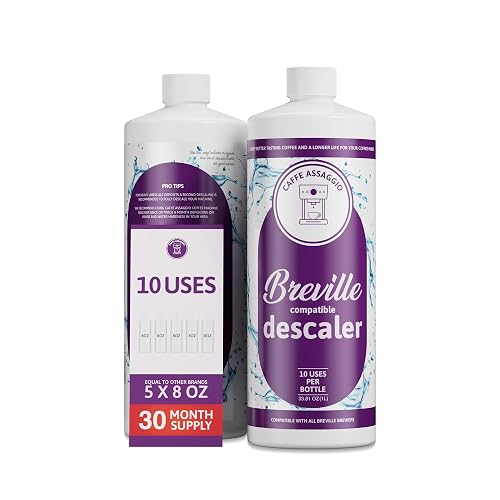
- A coffee maker descaling solution: a convenient alternative to vinegar that is formulated for brewing equipment. View on Amazon
- A reusable mesh coffee filter: reduces paper waste and is easy to rinse out after brewing. View on Amazon
FAQ
Can I use vinegar to clean a drip coffee maker?
Yes, a mix of equal parts white vinegar and water works well for descaling most household drip machines. Always run several plain water cycles afterward to remove any vinegar taste. Check your manual first, since some manufacturers recommend a specific descaler.
How do I know when my drip coffee maker needs cleaning?
Common signs include slower brewing, coffee that tastes bitter or sour, visible white or brown deposits, and a sputtering or gurgling sound during the cycle. If you notice any of these, run a full descaling cycle.
Is it safe to put the carafe in the dishwasher?
Many glass and plastic carafes and filter baskets are dishwasher safe, but the heating plate and the machine itself are not. Check the manufacturer’s instructions for your specific model before using the dishwasher.
Conclusion
A clean drip coffee maker brews better-tasting coffee and runs more reliably over time. Descale every one to three months, clean the shower head and reservoir monthly, and wash the carafe and basket after each use. A short routine like this keeps your machine in good shape with very little effort.
Related reading
- Smeg Drip Coffee Maker Guide: Brewing, Cleaning and Choosing the Right Model
- Zwilling Enfinigy Drip Coffee Maker Review: Is It Worth It?
- What to Expect from a Budget Drip Coffee Maker
- Vintage Drip Coffee Maker: 5 Best Retro Picks for Everyday Brewing
- Smeg Coffee Maker Drip Filter: 7 Best Options Compared (2026)
Ready to choose one?
About Owen Palmer
Owen Palmer is part of our editorial team and reviews and edits our coffee machines guides, checking product details against manufacturer specifications and owner feedback.