 By Owen Palmer
Updated November 2026
Choosing a machine starts with knowing the components of an espresso machine: the boiler, pump, group head, portafilter and steam wand. Each part shapes flavor, consistency and how much hands-on work you do each morning. The picks below are based on manufacturer specifications, product listings and common owner feedback patterns, weighed against build quality, brewing control, milk frothing and daily ease of use.
Best overall: CASABREWS CM5418 Compact Espresso Machine – View on Amazon
Best for milk drinks: De’Longhi Magnifica Evo Automatic Espresso Machine – View on Amazon
Best for a built-in grinder: Professional Expresso Coffee Machines with Grinder – View on Amazon
Best for small kitchens: Neretva 20 Bar Espresso Machine – View on Amazon
Best for beginners: Beginner-friendly Espresso Maker with Milk Frother – View on Amazon
Best for a classic build: Gaggia RI9380/46 E24 Espresso Machine – View on Amazon
Best for replacement parts: Espresso Machine Handle Replacement Parts – View on Amazon
Our Top Picks
Quick Comparison
| Product | Best for | Key feature |
|---|---|---|
| CASABREWS CM5418 Compact Espresso Machine | Overall home use | 20-bar pump, pressure gauge |
| Espresso Machine Handle Replacement Parts | Repairing a portafilter | 3-ear cafe handle |
| Beginner-friendly Espresso Maker with Milk Frother | First-time users | Simple one-dial operation |
| Professional Expresso Coffee Machines with Grinder | All-in-one brewing | Built-in grinder, temp control |
| De’Longhi Magnifica Evo Automatic Espresso Machine | Milk-based drinks | Automatic milk frothing |
| Neretva 20 Bar Espresso Machine | Small counters | Compact LED-display body |
| Gaggia RI9380/46 E24 Espresso Machine | Traditional shot control | Brushed stainless build |
CASABREWS CM5418 Compact Espresso Machine with Milk Frothing Steam Wand

CASABREWS CM5418 Compact Espresso Machine with Milk Frothing Steam Wand | Stainless Steel, 20-Bar Pump, Built-in Pressure Gauge, Powerful Steam Wand for Cappuccino Latte for Home, 34oz Water Tank
Best for: Overall home use with a steam wand
This stainless machine suits someone who wants pressure control and classic cappuccino-style drinks without a large footprint. Its pump and pressure gauge give you a way to watch extraction.
Pros
- 20-bar pump with a visible pressure gauge
- Steam wand handles milk for lattes and cappuccinos
Cons
- Manual technique takes practice to get good microfoam
Coffee Espresso Machine Handle Replacement Parts
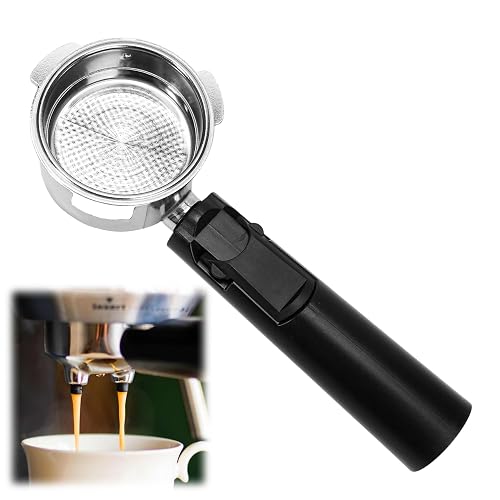
Coffee Espresso Machine Handle Replacement Parts, 3 Ears Cafe Bracket Handle Portafilter Filter Basket for Lidl Silvercrest CM4621 CM4218 KF5002 KF500S Barista with FILTER VASKET
Best for: Repairing a portafilter handle
This suits owners whose handle has cracked or lost its bracket and who want a direct swap rather than a new machine. It fits a range of Lidl Silvercrest-style models. You may also like 7 Best Smallest Espresso Machines: 7 Compact Picks Compared (2026).
Pros
- Three-ear bracket design matches many cafe-style handles
- Includes a filter basket for a complete swap
Cons
- Fit depends on your exact model, so check compatibility first
Beginner-friendly Espresso Maker with Milk Frother

Beginner-friendly Espresso Maker with Milk Frother, Fast Brewing, Easy Operation for Home Espresso, Latte and Cappuccino 3.5Bar Espreeso Machine 4-Cup Compact Coffee Maker 800W Green
Best for: First-time espresso drinkers
This compact unit targets people who want a simple start with milk drinks and minimal setup. Its controls are kept deliberately few.
Pros
- Simple controls with a short learning curve
- Small footprint for a crowded counter
Cons
- Lower pressure than 15–20 bar machines limits crema quality
Professional Expresso Coffee Machines for Home with Grinder

Professional Expresso Coffee Machines for Home Customizable 194℉-203℉ Temp Control Espresso Maker All-in-One Coffee Maker Espresso Machine with Grinder 20 Bar with 68oz Water Tank Cold Brew
Best for: All-in-one brewing from bean to cup
This fits someone who wants grinding, brewing and temperature adjustment in one body. It reduces the number of separate gadgets on the counter.
Pros
- Built-in grinder and adjustable brew temperature
- Large 68 oz water tank for multiple cups
Cons
- Combined grinder can be louder than a standalone unit
De’Longhi Magnifica Evo Automatic Espresso Machine

#1 Worldwide Espresso Machine Maker, 7 One-Touch Recipes, Frother, Built-In Grinder, Craft Personalized Signature Drink De'Longhi Magnifica Evo Automatic Espresso Machine, Milk Frother, Silver
Best for: Milk-based drinks with little effort
This suits households that want one-touch lattes and cappuccinos with consistent results. It automates most steps that a manual machine leaves to you.
Pros
- Automatic milk frothing with several one-touch recipes
- Built-in grinder included
Cons
- Less hands-on control over extraction than a manual machine
Buying Guide
Boiler and Heating System
The boiler heats the water that brews your espresso, and its design affects temperature stability. Single-boiler machines are compact and affordable but may require you to wait between brewing and steaming. Machines with more advanced heating setups or adjustable temperature control give you more consistency, especially if you pull shots back to back.
Pump Pressure and Extraction
Espresso is traditionally brewed at around 9 bars of pressure, so many manufacturers list a 15 to 20 bar pump to show the machine can build enough force. Pump pressure matters less than how steadily the machine holds it during extraction. Look for a built-in pressure gauge if you want to monitor your shots and adjust your grind.
Portafilter, Basket and Group Head
The portafilter holds the coffee grounds and locks into the group head, where hot water passes through the puck. A sturdy handle, a well-sized basket and a stable locking mechanism make it easier to dose and tamp evenly. Replacement parts are worth checking, since handles and baskets wear over time.
Steam Wand and Milk Frothing
If you enjoy cappuccinos or lattes, the steam wand is one of the most important components to evaluate. A powerful wand with good control lets you texture milk into silky microfoam, while automatic frothers handle the work with less skill required. Consider how often you will make milk drinks before deciding how much steam power you need.
Built-in Grinder and Daily Convenience
Freshly ground beans make a noticeable difference in flavor, so a built-in grinder adds real value for many home users. Machines with one-touch recipes, adjustable settings and a removable water tank reduce daily effort. Factor in water tank size, cleaning requirements and counter space to make sure the machine fits your routine.
FAQ
Which component of an espresso machine affects flavor the most?
The grinder, the coffee itself and the brewing temperature usually have the biggest influence on flavor. A consistent boiler and steady pump pressure help the water extract coffee evenly. Fine-tuning grind size is often the easiest way to improve your shots.
Do I need a built-in grinder for good espresso?
You do not strictly need one, but a built-in grinder makes it easier to brew fresh, consistent shots without buying a separate machine. Buying a quality burr grinder separately can also work well. The right choice depends on your budget and how much counter space you have.
Is higher bar pressure always better?
Not necessarily. Most espresso is extracted near 9 bars, and pumps rated higher are designed to provide enough pressure with room to spare. What matters more is how stable the pressure stays during brewing.
How often should I clean the steam wand and portafilter?
Wipe the steam wand after every use to prevent milk residue from building up and clogging the tip. Rinse the portafilter and basket after each session, and do a deeper cleaning according to the manufacturer’s schedule. Regular cleaning keeps flavor clean and helps the machine last longer.
Can beginners use an espresso machine with a steam wand?
Yes, although frothing takes some practice to master. Start with cold milk, keep the wand tip just below the surface, and listen for a gentle hissing sound. Machines with automatic frothing or simpler wands can make the learning curve easier.
Conclusion
If you want a compact, straightforward machine for everyday espresso and basic milk drinks, a simpler model with a solid pump and steam wand is a practical starting point. Those who prioritize milk-based drinks and convenience may prefer an automatic machine with a strong frother and preset recipes.
Home users who want fresh grounds in one appliance should look at models with a built-in grinder and adjustable temperature, while anyone who mostly needs replacement parts or upgrades can focus on compatible handles and baskets. Matching the components to your habits will do more for your daily cup than chasing the highest specifications.
Related reading
- What Makes an Espresso Machine Beginner-Friendly
- Understanding Manual Espresso Machines and How They Work
- Understanding Different Espresso Machine Milk Frothing Systems
About Owen Palmer
Owen Palmer is part of our editorial team and reviews and edits our coffee machines guides, checking product details against manufacturer specifications and owner feedback.