 By Owen Palmer
Updated November 2026
A coffee espresso maker combo gives you drip coffee and espresso from one countertop unit, which suits small kitchens, couples and anyone who wants both drinks without buying two appliances. Separate machines, meaning a dedicated drip brewer plus a standalone espresso machine, usually win for serious espresso drinkers who want better shot control and for households that brew large pots of coffee at the same time. If you make a few cups a day and value counter space, the combo is the practical pick. If espresso is your main drink, buy the espresso machine on its own.
Comparison Table: Combo vs Separate Machines
| Criterion | Coffee Espresso Maker Combo | Separate Drip Brewer + Espresso Machine |
|---|---|---|
| Counter footprint | One unit, typically a single appliance width | Two appliances, often needing two outlets and more space |
| Espresso shot quality | Adequate for everyday lattes and cappuccinos | Generally better pressure stability and temperature control |
| Drip capacity | Often 4 to 12 cups depending on model | Usually larger carafes, 10 to 12 cups or more |
| Simultaneous brewing | Usually one function at a time | Both can run at once |
| Cleanup and maintenance | One descaling routine, shared parts | Two machines to clean and descale separately |
| Learning curve | Simple controls, fewer settings | Espresso machines reward practice with grind and tamp |
| Best for | Small households, mixed drinkers | Espresso enthusiasts, large households |
Counter Space and Footprint: Combo Wins
Space is where a coffee espresso maker combo earns its place. Most combo units share a single base, a water reservoir and a drip basket or portafilter station, so you get two brewing methods in roughly the footprint of one machine. Two separate appliances can easily take up a foot or more of counter width and require two outlets. In a galley kitchen, a breakfast nook or a dorm room, that difference matters.
Check the height as well as the width. Some combo units have a tall overhead clearance for espresso cups plus a drip carafe, so measure your upper cabinets before you buy. Manufacturers list exact dimensions on the product page, and those numbers are the ones to trust.
Espresso Quality: Separate Machines Win
A dedicated espresso machine generally offers steadier pressure, more precise temperature control and, in many cases, a commercial-style steam wand for milk texturing. Combo units can produce a respectable shot, especially for milk drinks where the espresso is one ingredient among several. But if you want a thick crema on straight espresso or fine control over extraction time, a standalone machine has the edge.
Look for combos that specify a pump pressure in bars and a boiler type. Many manufacturers quote a pressure figure of around 15 bar or higher for espresso. Treat the spec as a starting point, then judge the output by the drinks you actually make.
Drip Capacity and Brewing Speed: Separate Machines Win
A standalone drip brewer usually holds more water and brews larger batches. If you pour four to six cups in the morning for a family, a separate drip maker keeps up without strain. Combo units often have smaller carafes, sometimes four to six cups, though some larger models go higher. Owners who entertain or share a pot often find the combo’s drip side limiting.
Brewing speed matters too. Standalone drip machines can finish a full pot while you get dressed, whereas combo machines may need to cool or switch modes between drip and espresso. Check the carafe capacity against how many people you typically serve before brewing.
Simultaneous Brewing: Separate Machines Win
Most combo units handle one function at a time. If you want a drip pot and an espresso shot at the same moment, which happens on busy mornings, two separate machines let you do both. A combo forces a short wait, usually a few minutes, while the unit switches over or reheats.
If you rarely brew both drinks at once, this limitation may never affect you. Think about your normal routine rather than an occasional weekend.
Cleanup, Descaling and Maintenance: Combo Wins
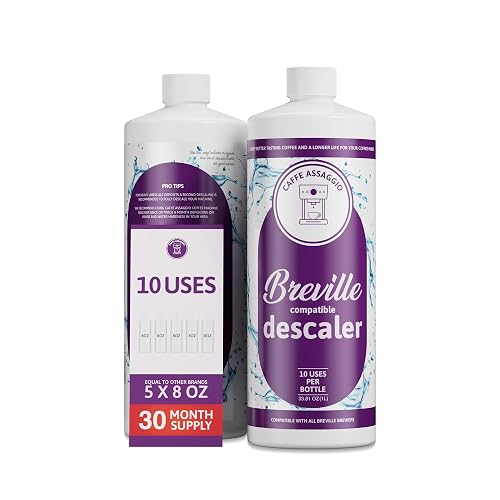
A combo is one machine to keep clean. You run one descaling cycle, wipe one drip tray and maintain one water system. Two separate machines double that work. Manufacturers generally advise descaling every one to three months depending on water hardness, and using a descaling solution made for coffee equipment. Water hardness matters: if your tap water is hard, descale more often.
Keep the portafilter and steam wand clean after each espresso session, since milk residue spoils flavor quickly. Our guide on How to Descale a Coffee Maker and Espresso Machine Safely walks through the steps for both drip and espresso parts.
Learning Curve and Ease of Use: Combo Wins for Beginners
Combo machines are generally easier for beginners. You press a button for drip coffee or select an espresso setting, and the machine handles most of the variables. A standalone espresso machine asks you to dial in grind size, dose, tamp pressure and shot timing. That control is the appeal for enthusiasts, but it takes practice. A common target for a double shot is roughly 18 to 20 grams of coffee in and 36 to 40 grams of liquid out in about 25 to 30 seconds, though you will adjust by taste.
If you are new to espresso, a combo lets you learn without a steep investment in gear and skills at the same time.
Cost per Cup and Long-Term Value: Depends on Your Habits
Over time, cost per cup depends mostly on what you brew and how often. Drip coffee is inexpensive per cup whether you use a combo or a separate maker, since the machine is doing the same job. Espresso costs more per cup because of the higher coffee dose and any milk you add. A combo that replaces two appliances can save you from buying and maintaining a second unit, which is often the bigger saving over several years. Check the warranty terms for both options, since coverage varies by brand and is listed on each manufacturer’s site.
For a more detailed look at combo models built around both drinks, see Best Coffee Espresso Machine Combo: 6 Top Picks and How to Choose (2026).
Which Should You Choose?
- Choose a coffee espresso maker combo if you have limited counter space and make both drinks, but usually one at a time.
- Choose a combo if you are new to espresso and want simple controls without a long learning curve.
- Choose a combo if you prefer one machine to descale and clean.
- Choose separate machines if espresso is your main drink and you want better shot control and steam for milk.
- Choose separate machines if you regularly brew a large pot of drip coffee for several people.
- Choose separate machines if you often need both drinks at the same moment.
If you are still comparing specific models, browse Espresso Machine with Drip Coffee Maker: 6 Best Combos (2026) and Espresso Machine and Coffee Maker Combo: How to Choose One (2026) for feature breakdowns.
Top Picks by Option
Combo option: Look for a unit from a well-known brand that lists both a drip function and a pump espresso function, such as the Ninja Espresso and Drip Coffee Bar line.
Separate option: For drip, a dependable standalone brewer like the Mr. Coffee 12-Cup Programmable Coffee Maker covers family-size batches. For espresso, a standalone pump machine such as the De’Longhi EC155 suits beginners who want a small, simple machine.
FAQ
Does a coffee espresso maker combo make good espresso?
It makes solid everyday espresso, especially for milk drinks. Straight espresso fans who want precise control usually prefer a standalone espresso machine.
Can I brew drip coffee and espresso at the same time in a combo?
Most combo units run one function at a time. Check the product manual for any model that claims simultaneous brewing before you rely on it.
How often should I descale a combo coffee and espresso maker?
Manufacturers commonly suggest every one to three months, depending on water hardness and how often you brew. Follow the schedule in your owner’s manual.
Is a combo cheaper to maintain than two separate machines?
It is usually simpler, since you descale and clean one unit instead of two. Parts and warranty terms still vary by brand, so review them before buying.
What is the best grind setting for espresso in a combo machine?
Espresso needs a fine grind, close to powdered sugar in texture. Start there, then adjust for a shot that runs in roughly 25 to 30 seconds, tasting as you go.
Conclusion
A coffee espresso maker combo is the better choice for small kitchens, beginners and households that want both drinks without two machines. Separate drip and espresso machines are the stronger option for espresso enthusiasts and for anyone who brews large pots or needs both drinks at once. Match the choice to your daily routine, count your cups and your counter space, and the right machine becomes clear.
Related reading
About Owen Palmer
Owen Palmer is part of our editorial team and reviews and edits our coffee machines guides, checking product details against manufacturer specifications and owner feedback.