 By Owen Palmer
Updated November 2026
If you want a large pot of smooth, mild coffee with almost no effort, a drip coffee maker is the better choice. If you want concentrated shots, milk drinks, and the option to make an americano or latte at home, an espresso machine is the better buy. The drip coffee maker vs espresso machine decision mostly comes down to how many cups you drink, what flavors you enjoy, and how much hands-on time you are willing to spend each morning.
| Criterion | Drip coffee maker | Espresso machine |
|---|---|---|
| Brewing method | Hot water drips through ground coffee by gravity | Hot water forced through a compact puck at high pressure |
| Typical output | Multi-cup carafe, often 4 to 12 cups | Single shots or doubles, plus milk drinks |
| Flavor profile | Clean, balanced, lighter body | Intense, syrupy, concentrated |
| Skill required | Low: measure, add water, press start | Moderate to high: grind, dose, tamp, time the shot |
| Time per cup | Several cups brewed in one cycle | Roughly one to two minutes per drink, plus steaming milk |
| Drink variety | Black coffee, sometimes iced | Espresso, americano, cappuccino, latte, flat white |
| Cleanup | Discard grounds and filter, rinse carafe | Knock out puck, purge steam wand, wipe portafilter |
| Counter space | Compact footprint for most models | Larger, often with a tall brew head |
| Maintenance | Periodic descaling | Regular descaling plus frequent cleaning of group head and steam wand |
Brewing Method and Flavor: Which Makes Better Coffee?
Neither machine is objectively better, but they produce very different cups. A drip coffee maker extracts coffee slowly with water at roughly the right temperature, and it does so with gravity doing most of the work. The result is a clean, balanced cup where you can taste the origin and roast without much intensity. For people who drink coffee black and want to sip a mug over an hour, this style is hard to beat.
An espresso machine pushes water through finely ground coffee under pressure, which produces a short, concentrated shot with a thicker texture and a layer of crema on top. The flavor is bold and can taste bitter or sharp if the grind, dose, or shot time is off. When dialed in, though, it gives a depth that drip coffee cannot match.
Winner for flavor intensity and versatility: espresso machine. Winner for smooth, easy-drinking coffee: drip coffee maker.
If you are also weighing a French press for a fuller body, our guide French Press vs Drip Coffee Maker (2026): Which Is Better for Everyday Coffee? compares that style directly.
Ease of Use and Learning Curve
A drip coffee maker is about as simple as home appliances get. You add water to the reservoir, put a paper or permanent filter in the basket, add ground coffee (most people use roughly one to two tablespoons per 6 ounces of water as a starting point), and press start. Beginners can get consistent results on day one.
Espresso takes practice. You need a burr grinder set fine enough, a consistent dose in the portafilter, even tamping, and a shot that finishes in about 25 to 30 seconds for a double. Steaming milk to a silky texture is another skill. Many owners spend a few weeks adjusting grind size before their shots taste right.
Winner for ease of use: drip coffee maker.
For a broader look at how design choices affect daily use, see What Design Features Improve Usability in Coffee Maker Machines?.
Cost Per Cup and Ongoing Expenses
Drip coffee is one of the cheapest ways to brew at home per cup, especially when you buy whole beans or a larger bag of ground coffee and brew multiple cups at once. Espresso uses more coffee per drink, typically around 18 to 20 grams for a double shot, so the grounds cost more per cup. Milk drinks add dairy or plant milk to the total.
Espresso machines also tend to need a burr grinder, which is an extra purchase if you do not already own one. Factor that into your overall budget, not just the machine itself.
Winner for cost per cup: drip coffee maker.
Speed and Batch Brewing
A drip coffee maker wins easily when you need coffee for several people at once. Most models finish a full pot in about 5 to 10 minutes, and the carafe keeps coffee available for a while after that. This suits households and offices.
An espresso machine makes one drink at a time. You can make a double shot quickly, but if you want four lattes for a group, you are looking at several minutes of steady work. Single-cup and pod-based options can help, and our article Single Serve Coffee Maker vs Drip: 6 Best Picks Compared (2026) covers that middle ground.
Winner for batch brewing: drip coffee maker. Winner for a single fast, customized drink: espresso machine.
Drink Variety and Customization
Drip coffee gives you one thing done well: a pot of brewed coffee. You can adjust strength by changing the amount of grounds, and you can make iced coffee by brewing directly over ice, but the menu stops there.
Espresso opens the door to americanos, cappuccinos, lattes, mochas, and flat whites. If you enjoy milk drinks, an espresso machine with a steam wand gives you control over foam and temperature that drip machines cannot provide. Some combination units cover both styles, and our roundup Espresso Machine with Drip Coffee Maker: 6 Best Combos (2026) lists several.
Winner for drink variety: espresso machine.
Cleaning, Maintenance, and Descaling
Drip machines are straightforward to clean. Dump the used grounds, rinse the basket and carafe, and wipe the warming plate. Owners often report that the most common maintenance task is descaling every one to three months, depending on water hardness. Manufacturers usually recommend a commercial descaling solution or a mix of water and white vinegar, followed by several clean-water rinse cycles.
Espresso machines need more regular attention. The portafilter and group head should be rinsed after use, the steam wand wiped and purged after each milk drink, and the drip tray emptied often. Descaling is also important, since scale buildup can affect pressure and temperature. Our step-by-step guide How to Descale a Coffee Maker and Espresso Machine Safely walks through the process for both types.
Winner for low maintenance: drip coffee maker.
Counter Space and Build
Most drip coffee makers have a small footprint and fit easily under a cabinet or on a narrow counter. Espresso machines are often wider and taller, especially those with a built-in grinder or a tall group head. If your kitchen is tight, measure before you buy.
Winner for small kitchens: drip coffee maker.
Which Should You Choose?
- Choose a drip coffee maker if you drink two or more cups a day, want coffee ready in minutes for family or guests, and prefer a smooth, mild cup with little fuss.
- Choose an espresso machine if you enjoy lattes, cappuccinos, or americanos, want bold, concentrated flavor, and are willing to learn grind and tamp technique.
- Choose a combination machine if you want both drip coffee for the household and espresso for yourself, and you have the counter space for a larger unit.
- Choose a single-serve brewer if you want fast, consistent cups with minimal cleanup and do not mind paying more per cup for convenience.
- Choose a French press or pour-over if you want full-bodied coffee with no electricity and a hands-on ritual.
Here are representative machines for each category. Check current specifications and compatibility before buying:
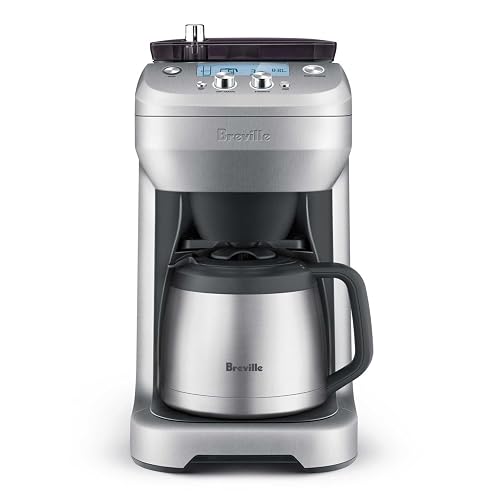
- Drip coffee maker: View on Amazon
- Espresso machine: View on Amazon
FAQ
Can an espresso machine make regular drip-style coffee?
Yes, in a sense. An americano uses a shot of espresso topped with hot water, which gives a flavor somewhat similar to drip coffee, though it is typically stronger and has a different texture. Some espresso machines also include a filter basket for brewing, but results vary.
Can a drip coffee maker make espresso?
No. Drip machines do not create the pressure needed for true espresso. Some people use a stovetop moka pot as a middle option, which produces a strong, concentrated coffee, but it is not the same as espresso.
Is espresso stronger than drip coffee because of caffeine?
Not necessarily. Espresso is more concentrated in flavor and has more dissolved solids per ounce, but a standard 8-ounce cup of drip coffee often contains more total caffeine than a single shot. Caffeine content depends heavily on bean type, dose, and serving size.
How long does each machine last?
Lifespan depends on build quality, water quality, and maintenance. Owners often report that regular descaling and cleaning extend the life of both types. Check the manufacturer’s warranty and recommended care instructions for specifics.
Do I need a grinder for either machine?
For the best results, yes. Drip coffee tastes noticeably better with freshly ground beans, and espresso requires a fine, consistent grind that most pre-ground coffee cannot deliver. A burr grinder is the recommended tool for both.
Conclusion
The drip coffee maker vs espresso machine choice is really a question about your routine. A drip coffee maker gives you easy, affordable, batch-friendly coffee with minimal cleanup. An espresso machine gives you bold shots, milk drinks, and a hands-on craft that rewards practice. Decide how many cups you need, which flavors you enjoy, and how much time you want to spend, and the right machine will usually be clear.
Related reading
About Owen Palmer
Owen Palmer is part of our editorial team and reviews and edits our coffee machines guides, checking product details against manufacturer specifications and owner feedback.