By Owen Palmer
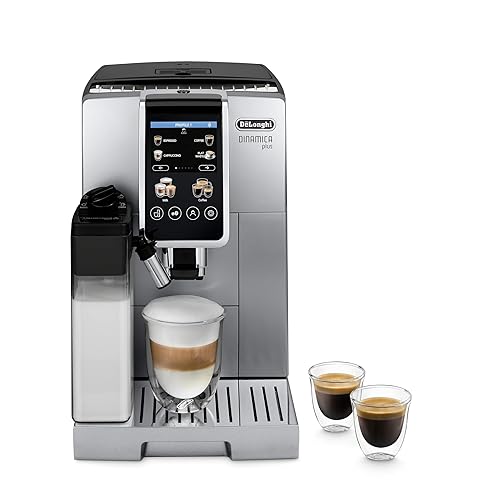
The jura e8 espresso machine is a fully automatic, bean-to-cup machine built for people who want café-style espresso, lungo and milk drinks without learning manual technique. This guide explains what the machine does, how to set it up and run it day to day, how to adjust strength and milk, what routine care keeps it working well, and where owners most often run into trouble. By the end you should know whether this type of machine suits your routine and how to get consistent results from it.
What the jura e8 espresso machine is and who it suits
The E8 belongs to the super-automatic category. You add whole beans to the hopper, fill the water tank, and press a button. The machine grinds, tamps, brews and, on milk models, froths or steams without you handling portafilters or steam wands. That convenience is the main reason people choose it over a semi-automatic machine.
Shopping for one? See our guide: 6 Best breville bambino plus espresso machine (2026): Expert Picks.
It suits households where several people want different drinks at different times, offices, and anyone who finds manual dialing-in tedious. It is less suited to someone who wants full control over grind size, dose and extraction pressure, since those are handled by the machine’s settings. If you are still deciding between machine types, our overview of Manual vs Semi-Automatic vs Automatic vs Super-Automatic Espresso Machines lays out the trade-offs clearly.
Before you start: setup checklist
Good results begin with a correct first setup. Work through this list before pulling your first drink.
- Place the machine on a level counter with at least a few inches of clearance around the back and sides for airflow and for the drip tray.
- Connect the water. Use filtered or softened water if your tap water is hard. Many owners fit a compatible water filter cartridge to slow scale buildup.
- Fill the bean hopper with fresh, whole roasted coffee. Oily or very dark beans can leave residue and clog the grinder over time, so favor medium or medium-dark beans if you can.
- Insert the drip tray and waste container, then plug in the machine and let it complete its initial heat-up and rinse cycle.
- Set the water hardness level to match your water supply. Your manual lists the test strip or setting method.
- Run a rinse cycle and discard the first few ounces of water before brewing.
Brewing your first drinks
Once the machine is ready, selecting a drink is a matter of pressing the button for the product you want. The display will show the brewing progress and prompt you when the drip tray or grounds container needs attention.
Choosing a drink and cup size
Place your cup under the spout, select the drink, and let the machine finish. Espresso is brewed in short, concentrated shots, while lungo uses more water through the same grounds for a longer drink. Cup height matters: if the spout sits too high, you may get foam splashing or uneven flow, so adjust the height if your model has an adjustable outlet.
Adjusting strength and volume
Most owners start by changing the coffee strength setting, which controls how much ground coffee is dosed. Make one change at a time and brew a fresh drink each time so you can compare. Adjust the water volume separately if you prefer a smaller or larger cup. Keep a short note of which combination you like so you can repeat it.
Setting up milk drinks
For cappuccino or latte, use cold whole milk or a barista-style oat or soy milk that is labeled for steaming. Fill the milk container to the level marked, attach the frother, and select the milk drink. Clean the frothing system right after each milk drink. Dried milk is the most common reason for poor foam and blocked lines.
Dialing in: getting the taste you want
Dialing in a super-automatic is a simpler process than with a manual machine, but it still matters. Taste is the only test you need.
Grind setting
The grinder adjusts between finer and coarser settings. A finer grind slows the flow and increases extraction, which can taste richer but may become bitter if taken too far. A coarser grind speeds the flow and can taste sour or thin. Change the grind one step at a time, and wait for a few drinks to clear before judging the result.
Temperature and water
Water that is too cool produces flat, sour coffee, while water that is too hot can taste harsh. If your model offers a temperature setting, try the middle option first. Hard water can also affect taste and performance, so keep your water filtration and hardness setting current.
Beans
Fresh beans make a bigger difference than most settings changes. Buy in smaller quantities, store them sealed away from heat and light, and avoid filling the hopper with beans you will not use within a few weeks.
Routine maintenance and cleaning
Regular upkeep prevents most service problems. The schedule below is a general guide; follow the cleaning prompts on your display and the instructions in your manual.
| Task | How often | Why it matters |
|---|---|---|
| Empty drip tray and grounds container | When prompted, usually daily for heavy use | Prevents overflow and mold in the waste area |
| Rinse the milk frother and container | After each milk drink | Stops milk residue from hardening and clogging lines |
| Clean brew unit | Weekly or when prompted | Removes oils and grounds that affect flavor |
| Wipe the outlet and surfaces | Daily | Keeps the machine looking and tasting clean |
| Descale | As prompted, or roughly every few months depending on water hardness | Removes limescale that reduces heating efficiency and flow |
| Replace water filter | Per filter instructions | Reduces scale and improves taste |
For general descaling principles that apply across machines, see How to Descale a Coffee Maker and Espresso Machine Safely. Always use a descaling product approved for your model and follow the manufacturer’s steps. Harsh home remedies can damage seals and internal components.
Care for the milk system
Milk is the hardest part of the machine to keep clean. Remove the frothing components after use, rinse them under running water, and run the system’s cleaning cycle when it is due. If foam quality drops or the milk tastes sour, check for residue first before assuming a fault.
Common mistakes
- Skipping the rinse after milk. Dried milk causes most blockages and poor foam.
- Using very oily beans constantly. Oil builds up on the grinder and brew unit faster than with medium roasts.
- Ignoring hardness settings. Scale builds up quickly when the machine thinks your water is softer than it is.
- Letting the hopper run low on beans. Running the grinder empty can cause noise and uneven grinding.
- Changing several settings at once. You will not know which change improved or ruined the drink.
- Leaving the drip tray full. The machine may stop brewing until it is emptied.
- Using unapproved cleaning products. Some household chemicals can damage internal parts.
Tips for better results
- Keep a simple log of grind and strength settings that work for each bean you buy.
- Preheat your cups with hot water from the outlet, especially for espresso.
- Use cold milk and a clean frother for the best texture.
- Store spare descaling supplies and filter cartridges where you can find them when the machine prompts you.
- If you are new to machines like this and want more background, What Makes an Espresso Machine Beginner-Friendly explains features that make the learning curve easier.
Recommended gear
These items support day-to-day use and are commonly bought alongside a super-automatic machine.
- Descaling solution approved for your model. Using the correct product protects the heating system and avoids guesswork. View on Amazon
- Replacement water filter cartridges. Filters reduce scale and help keep taste consistent. View on Amazon
- Milk frother cleaning tablets. These help dissolve milk residue in the frothing system between manual rinses. View on Amazon
FAQ
Is the jura e8 espresso machine good for beginners?
Yes, for people who want good drinks without manual skills. The machine handles grinding, dosing, tamping and brewing. Beginners mainly need to learn the grind and strength settings and keep up with cleaning.
What beans work best in it?
Fresh, medium or medium-dark roasts usually perform most reliably. Very oily dark roasts can leave residue and speed up buildup in the grinder and brew unit.
How often should I descale?
Follow the machine’s prompts first. How often you need to descale depends mainly on water hardness and how much you brew. Using a filter and correct hardness setting extends the time between descales.
Why does my milk foam look thin?
The most common causes are dirty frothing components, milk that is not cold enough, or milk not suited to steaming. Clean the system thoroughly and try fresh cold whole milk to check.
Why does the coffee taste sour or weak?
Sour, thin coffee often means the grind is too coarse or the strength setting is too low. Try a finer grind or higher strength one step at a time.
Can I use pre-ground coffee?
Super-automatic machines are designed for whole beans, and pre-ground coffee is generally not recommended because it can bypass the grinder and cause problems. Check your manual before using any other coffee format.
Why does the machine ask me to rinse or clean repeatedly?
Machines of this type monitor their own use and prompt maintenance at set intervals. Following the prompts keeps the internal parts clean and reduces the risk of service issues.
Conclusion
The jura e8 espresso machine rewards a simple routine: fresh beans, correct water settings, prompt milk rinsing, and regular descaling. With those habits in place, you can get consistent espresso and milk drinks without manual technique. Keep the manual nearby, and when something behaves unexpectedly, check cleaning and settings first before assuming a fault.
Related reading
- Understanding Manual Espresso Machines and How They Work
- Understanding Different Espresso Machine Milk Frothing Systems
Ready to choose one?
About Owen Palmer
Owen Palmer is part of our editorial team and reviews and edits our coffee machines guides, checking product details against manufacturer specifications and owner feedback.