 By Owen Palmer
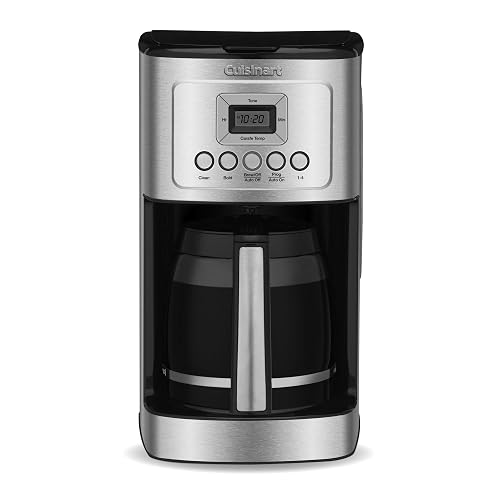
A smeg drip coffee maker is a retro-styled automatic brewer that makes a full carafe of filter coffee with very little effort. This guide walks you through setting up your smeg drip coffee maker, brewing a consistently good pot, keeping it clean and deciding whether the Smeg style fits how you actually drink coffee. By the end, you should be able to get reliable results every morning and avoid the small mistakes that make drip coffee taste sour, weak or bitter.
What a Smeg Drip Coffee Maker Does Well
Smeg makes drip machines with the same tall, rounded, enamel-look bodies the brand is known for in its kettles and toasters. Under the styling, they work the way most automatic drip brewers do: cold water is heated, pushed up a tube, and poured over ground coffee in a paper or reusable filter, and the liquid drips into a carafe below. The result is a clean, medium-bodied cup with less oil than French press and more consistency than a manual pour over.
Shopping for one? See our guide: 8 Best Cold Brew Drip Coffee Makers for Home Brewing (2026).
Owners often pick a smeg drip coffee maker for the look as much as the performance, which is fine. Just be clear about what you want from it. If you need a fast single cup, a pod machine will suit you better. If you want a full pot for two to four people and a counter piece that looks deliberate, a drip model is a strong fit. For a broader comparison of styles, see Types of Coffee Makers: How Each One Brews and Who It Suits.
What You Need Before You Brew
Good drip coffee depends more on setup than most people expect. Gather these items before your first pot:
- Fresh whole-bean coffee, ideally roasted within the last few weeks
- A burr grinder, or a pre-ground coffee labeled for drip brewing
- A digital kitchen scale, accurate to 1 gram
- Paper filters that match your basket size (usually a cone or flat-bottom shape, depending on the model)
- Filtered or softened water, room temperature to start
- A measuring spoon if you prefer volume over weight
Read your owner’s manual before the first use. Manufacturers typically specify the maximum fill line, the filter type and whether the reservoir should be rinsed before the first cycle. Following those specifics avoids most early problems.
How to Brew a Better Pot in a Smeg Drip Coffee Maker
Consistency comes from repeating the same steps with the same ratios. Use this process as your starting point, then adjust one variable at a time.
Step 1: Fill the Water Reservoir
Fill the reservoir with fresh, cold water to the number of cups you want. Most drip makers measure a “cup” as about 5 to 6 ounces, not the 8-ounce cup you may use for drinking. Check the markings on your specific model. Do not overfill past the max line, because overflow can cause uneven extraction and drips on the counter.
Step 2: Measure the Coffee
A common starting ratio is about 55 to 60 grams of coffee per liter of water, which works out to roughly 1 gram of coffee for every 17 to 18 grams of water. For a standard 10-cup pot, that is around 50 to 60 grams of ground coffee, depending on your taste. Weigh your coffee on the scale rather than scooping, since scoop size varies widely between grinds.
Step 3: Set the Grind
Use a medium grind, close to the texture of sand. Grind too fine and the water slows down, causing over-extraction and bitterness. Grind too coarse and the coffee tastes weak and sour. If your first cup tastes thin, go finer. If it tastes harsh or dry, go coarser.
Step 4: Insert the Filter and Add Coffee
Place a paper filter in the basket, rinse it with a little hot water to remove the paper taste, then add the coffee and level the grounds gently. Avoid packing them down.
Step 5: Brew and Serve
Close the lid, start the machine and let the full cycle finish before pouring. Pulling the carafe mid-brew can cause dripping and reduce the heat on the warming plate. If your model has a keep-warm function, most manufacturers recommend limiting it to about 30 to 60 minutes, since longer holding times tend to scorch the coffee.
Cleaning and Descaling Your Smeg Drip Coffee Maker
Mineral buildup from hard water is the main thing that slows a drip machine and affects flavor. Clean the outside and the carafe after every use, and descale on a schedule that matches your water hardness. Manufacturers generally recommend descaling every one to three months for regular households.
Routine Weekly Cleaning
- Discard used grounds and filters after each brew.
- Wash the removable basket and carafe with warm soapy water. Dry thoroughly.
- Wipe the warming plate and exterior with a damp cloth.
- Rinse the water reservoir and check for residue.
Descaling Steps
- Mix a descaling solution. Many owners use a 1:1 mix of white vinegar and water, or a commercial descaler made for coffee makers. Check your manual, since some brands specify a particular product.
- Fill the reservoir with the solution to the max line.
- Run a full brew cycle with no coffee or filter, then let the machine sit for 30 to 60 minutes.
- Run two or three cycles with fresh water to rinse out the solution. Smell the water before brewing coffee to confirm there is no vinegar odor.
For a more detailed walkthrough, read How to Clean a Drip Coffee Maker with Vinegar: 6 Simple Steps and How to Clean a Drip Coffee Maker's Water Reservoir.
Choosing the Right Smeg Drip Model for Your Kitchen
Not every drip machine suits every household. Compare these factors before you buy:
| Factor | What to Look For | Why It Matters |
|---|---|---|
| Carafe type | Glass or thermal | Glass keeps the look, thermal holds heat without a warming plate |
| Capacity | Cup markings and max line | Matches your typical brew size |
| Programming | Timer or auto-start | Useful for early mornings |
| Filter type | Paper, reusable or both | Affects ongoing running costs and cleanup time |
| Brew strength setting | Adjustable or fixed | Lets you fine-tune flavor |
If you are still deciding on features in general, How to Choose a Drip Coffee Maker: Features That Actually Matter covers the trade-offs in more depth. For smaller households, Choosing a Small Drip Coffee Maker for One or Two People may be a better fit than a full-size pot.
Common Mistakes to Avoid
- Using stale coffee. Flavor fades within weeks of roasting. Buy smaller bags more often.
- Skipping the scale. Scoops vary, so your pot can swing from weak to strong without any change in your routine.
- Grinding too fine. This is the most common cause of bitter drip coffee.
- Letting coffee sit on the warmer. Heat keeps cooking the coffee and flattens the flavor.
- Ignoring descaling. Scale slows the brew and can make the coffee taste metallic.
- Using tap water with a strong taste. Water makes up most of your cup, so filtered water usually improves results.
If your machine stops working altogether, check the common causes in Why Your Coffee Maker Won't Start or Begin Brewing. If you are using a filter cartridge, When and How to Replace Your Coffee Maker's Water Filter explains the timing.
Recommended gear
A few inexpensive tools make the biggest difference in day-to-day drip brewing.
- A digital kitchen scale. Weighing your coffee and water is the simplest way to get repeatable results. View on Amazon
- A burr grinder. Uniform grounds extract evenly, which reduces both sour and bitter notes in the same pot. View on Amazon
- Paper filters sized for your basket. The correct size prevents bypass and keeps the basket from collapsing. View on Amazon
- A coffee maker descaler. A dedicated product is convenient if you dislike the smell of vinegar. View on Amazon
FAQ
Is a smeg drip coffee maker good for everyday use?
Yes. Drip machines are built for daily brewing of full pots. A smeg drip coffee maker follows the same basic process as other automatic drip brewers, so day-to-day performance depends mainly on your coffee, grind and cleaning routine.
How much coffee should I use in a smeg drip coffee maker?
A good starting point is about 1 gram of coffee for every 17 to 18 grams of water. Adjust gradually from there based on taste. Weighing is more consistent than scooping.
What grind size works best?
Use a medium grind, similar to fine sand. If the coffee tastes bitter, go coarser. If it tastes weak or sour, go finer.
Can I use vinegar to descale my Smeg drip machine?
Many owners use a diluted white vinegar solution, but you should check your owner’s manual first. Some manufacturers recommend a specific descaling product. Always rinse thoroughly with fresh water afterward.
How often should I clean the machine?
Wash the carafe and basket after each use, and descale every one to three months depending on your water hardness. Hard water may require more frequent descaling.
Why does my coffee taste bitter?
Bitterness usually comes from over-extraction, often caused by grinding too fine, using too much coffee, or leaving the pot on the warmer too long. Adjust one variable at a time.
Should I use a paper filter or a reusable one?
Paper filters produce a cleaner, lighter cup and are easy to dispose of. Reusable metal filters keep more oil and body in the cup but need more cleaning. Choose based on the flavor you prefer and how much cleanup you want.
Conclusion
A smeg drip coffee maker can deliver consistent, full-flavored pots once you control the basics: fresh coffee, the right grind, accurate measurements and regular descaling. Start with the ratios above, change only one thing at a time, and keep a simple cleaning schedule. With those habits in place, your machine will taste as good as it looks.
Related reading
Ready to choose one?
About Owen Palmer
Owen Palmer is part of our editorial team and reviews and edits our coffee machines guides, checking product details against manufacturer specifications and owner feedback.