By Owen Palmer
Updated November 2026
The delonghi rivelia espresso machine is an automatic model built for people who want café-style drinks at home without learning manual espresso technique. It suits busy households, first-time espresso buyers, and anyone who values one-touch convenience and a built-in milk frother over fine control of extraction. It is a poor fit for experienced home baristas who want to adjust grind size, shot timing and pressure profiles by hand, and for anyone who needs a very compact machine for a tight counter.

De'Longhi#1 Worldwide Espresso Machine Maker, Removable Bean Hoppers, 18 One-Touch Recipes, Milk Frother, 4 Unique Colors Rivelia Automatic Espresso Machine, Milk Frother, Pebble Gray
Product Overview
The Rivelia is a fully automatic espresso machine from De’Longhi, marketed under the name listed on its Amazon page as the De’Longhi Rivelia Automatic Espresso Machine with milk frother. The listing describes it as offering 18 one-touch recipes, removable bean hoppers and four color options, with Pebble Gray being the variant covered here. Its positioning sits in the mid-range of De’Longhi’s automatic lineup: more hands-off than a semi-automatic machine, and aimed at households that want variety in their drinks without a learning curve.
Fully automatic machines handle grinding, dosing, tamping and brewing internally. You choose a drink from the control panel, and the machine does the rest. That design trades some control for consistency and speed, and it is the main reason owners tend to pick a model like this over a manual or semi-automatic setup. If you want a broader view of how these categories differ, our guide to manual vs semi-automatic vs automatic vs super-automatic espresso machines covers the trade-offs in more depth.
The Rivelia’s appeal is less about any single headline feature and more about the package: a machine that produces espresso, lungo-style drinks and milk-based beverages from one unit, with a frother meant to reduce the need for a separate appliance. For buyers who have been using pod machines or drip brewers and want to step up to real espresso, this kind of automatic is often the first logical move.
Key Features & Specifications
The table below lists features that are named in the product listing or are well established for this model family. Where a detail is not confirmed, it is left out rather than estimated. Check the manufacturer’s current spec sheet before purchase, since model revisions and regional versions can differ.
| Feature | What It Means in Practice |
|---|---|
| Machine type | Fully automatic; grinding, dosing and brewing handled by the machine |
| One-touch recipes | 18 drink presets, per the listing title, selectable from the control panel |
| Bean hoppers | Removable, which makes switching between bean types or cleaning easier |
| Milk frother | Built-in frother for milk-based drinks such as cappuccino and latte |
| Color options | Four colors offered; this listing is Pebble Gray |
| Brand | De’Longhi, a long-established espresso machine manufacturer |
Anything beyond these points, such as exact pump pressure, boiler capacity, water tank volume or grinder burr size, should be confirmed on the manufacturer’s product page before you buy. Owners generally look at water tank size and cup-height clearance as the two specs that most often affect day-to-day use, so measure your counter and cup space before ordering.
Pros & Cons
Pros
- One-touch recipes make it easy to get consistent drinks without adjusting settings each time.
- Removable bean hoppers simplify switching between beans and make refilling less messy.
- The built-in milk frother covers cappuccino and latte drinks without a separate appliance.
- A range of preset drinks gives variety for households with different tastes.
- Automatic operation suits people who want espresso without learning grind and tamp technique.
Cons
- Limited manual control over extraction compared with semi-automatic or manual machines.
- Automatic grinding and dosing mean less ability to dial in a specific espresso profile.
- Fully automatic machines typically need regular descaling and cleaning to perform well over time.
- Footprint and height may be a constraint on smaller counters or under cabinets.
- Milk frothing quality, as with most built-in frothers, will not match a dedicated steam wand for latte art.
Performance Analysis
Because this review is research-based, the performance discussion draws on the specifications named in the listing and on patterns that owners of automatic espresso machines commonly report, rather than on any hands-on testing by our team.
In general, owners of machines in this class report that the strongest point is repeatability. Once a drink preset is set to a preferred strength and milk volume, the machine reproduces it cup after cup. That consistency is the main reason automatics are chosen by households where several people make drinks, since each person gets roughly the same result without needing skill.
Espresso quality from fully automatic machines is usually described as good for the price class rather than matching a skilled barista pulling shots on a manual lever. The tradeoff is clear: the machine controls grind, dose and extraction, so you gain speed and consistency but lose the ability to chase subtle flavor differences by adjusting variables. Owners who care about extracting the most from a specific bean often find the grind setting is the main lever available to them, and they tune it over several days of drinks.
Milk drinks are where built-in frothers tend to be judged most harshly. Frothers of this type generally produce adequate microfoam for cappuccinos and lattes, though the texture and temperature will depend on milk type and the frother’s settings. Whole milk typically froths more easily than skim or some plant-based milks, which owners often mention as a practical consideration.
Maintenance is the other performance factor. Owners of automatic machines commonly report that scale buildup from hard water reduces output and can affect taste, so regular descaling is not optional. Keeping a descaling schedule and using filtered water extends the time between problems. For a deeper look at upkeep, see our guide to clean DeLonghi espresso machine routines and products.
If you run into issues such as weak flow, error messages or the frother clogging, our practical walkthrough of DeLonghi espresso machine fix steps covers the most common causes.
Who Should Buy This Product?
The Rivelia makes the most sense for a few specific types of buyers:
- Households with mixed drink preferences. If one person wants a flat white, another wants a cappuccino and someone else prefers a simple espresso, the preset menu handles all of them.
- First-time espresso buyers. Automatic operation removes most of the learning curve. Our explainer on what makes an espresso machine beginner-friendly lists the features that matter most if you are just starting out.
- Buyers who value convenience over control. If you want to press a button and have a drink ready quickly, this design fits well.
Buyers who should look elsewhere include experienced home baristas who want to tune every variable, people who prefer true steam-wand microfoam, and anyone with very limited counter space. For those readers, a semi-automatic espresso coffee machine or a manual design may suit better.
Buying Guide
Before committing to this machine or any automatic model, work through these practical checks.
- Measure your space. Check counter depth, width and clearance under cabinets. Automatic machines are often taller than they look, and the drip tray and bean hopper lid need room to open.
- Check your water. Hard water shortens machine life. A water filter or filtered tap water will reduce scale buildup and descaling frequency.
- Decide on milk habits. If you drink mostly milk-based coffee, test your preferred milk type before relying on the frother for every cup.
- Plan your descaling. Set a calendar reminder and keep descaling solution on hand. Skipping this is the most common route to poor performance.
- Consider bean supply. Removable hoppers help if you use more than one bean type, but whole beans need a regular grind-setting check as they age.
If the Rivelia does not fit your needs, these well-known alternatives are worth comparing. Each serves a different buyer.
The first option is the Include Deco Essentials bundle, which pairs a DeLonghi Rivelia automatic machine with a grinder and frother in a beige colorway and adds an extended protection plan. It suits buyers who want the same machine family with a bundled package and extended coverage.

Include Deco Essentials Exclusive 2 Year CPS Enhanced Protection Pack DeLonghi Rivelia Automatic Espresso Machine, Grinder, Frother Beige Bundle
The second option is the Philips 3300 Series fully automatic espresso machine with LatteGo milk system, a ceramic grinder and a range of hot and iced coffee presets. It is a strong comparison point for buyers focused on milk drinks and a simplified cleaning routine.

PHILIPS5 Hot & Iced Coffee Pre-Sets, ceramic grinder, customizable coffee strength & milk settings, hot water, 15 bars (EP3341/50) 3300 Series Fully Automatic Espresso Machine, LatteGo Milk System
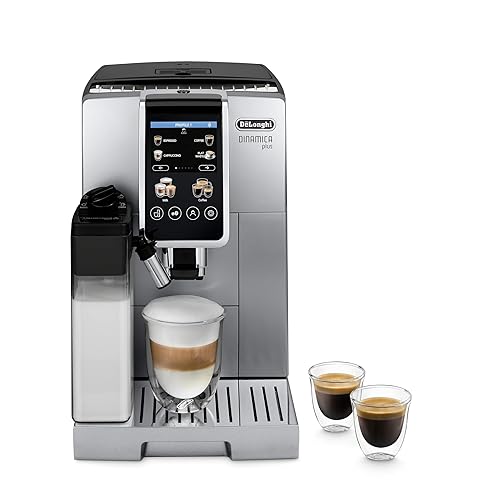
For a wider look at how automatic models compare with other styles, you may also find our roundup of DeLonghi Magnifica Start espresso machine picks useful, along with the DeLonghi Dinamica Plus espresso machine review.
FAQ
Is the delonghi rivelia espresso machine good for beginners?
Yes, in most cases. Its one-touch recipes and automatic grinding and dosing remove the need to learn tamping and extraction technique. Beginners should still expect to adjust the grind setting and milk texture over the first few weeks.
Does it make real espresso?
It is designed to brew espresso and espresso-based drinks. Owners generally describe the result as good for an automatic machine, though it will not offer the same control as a manual or semi-automatic model.
Can I use pre-ground coffee?
Automatic machines with built-in grinders are designed around whole beans. Check the manufacturer’s instructions before adding any pre-ground coffee, since it can affect the brewing system.
How often should I descale it?
Manufacturers generally recommend descaling on a schedule tied to use and water hardness. Owners in hard-water areas typically descale more often. Follow the interval in your manual.
Is the milk frother easy to clean?
Most built-in frothers need rinsing after each milk drink and a more thorough cleaning on a regular schedule. Flushing the system after use helps prevent residue from building up.
Does the Rivelia take up a lot of space?
Automatic machines are typically larger than pod machines. Measure your counter, check cup clearance and allow room for the bean hopper lid and drip tray before buying.
Is it worth it compared to a pod machine?
If you drink several espresso-style drinks a day, a bean-based automatic usually costs less per cup over time than pods, and it offers more drink variety. Pod machines suit people who want the simplest possible routine and very little counter footprint.
Final Verdict
Should you buy the delonghi rivelia espresso machine?
The delonghi rivelia espresso machine is a sensible choice for households that want café-style drinks with minimal effort, a built-in frother and a menu of presets that covers most common orders. Its strengths are consistency, convenience and easy switching between bean types. Its limits are the lack of hands-on control over extraction and the ongoing need for descaling and cleaning. If those tradeoffs fit how you drink coffee, it is worth a close look. If you want to tune every shot, a semi-automatic or manual machine will serve you better.
Related reading
- Delonghi Dedica Espresso Machine: 7 Best Picks for Home Baristas (2026)
- DeLonghi Espresso Machine Fix: Troubleshooting Common Problems Step by Step
- Clean DeLonghi Espresso Machine: 6 Best Descaling and Cleaning Picks for 2026
About Owen Palmer
Owen Palmer is part of our editorial team and reviews and edits our coffee machines guides, checking product details against manufacturer specifications and owner feedback.