 By Owen Palmer
Updated November 2026
The best drip coffee maker in Canada is the one that fits how much coffee you brew, how hot it keeps the water during extraction, and how easily you can keep it clean. For most Canadian households, a 10- to 12-cup machine with a thermal carafe, a gold-tone or stainless filter basket, and a programmable timer covers daily needs well. Start with capacity and carafe type, then check water temperature and cleaning access.
Why the Best Drip Coffee Maker in Canada Depends on Your Routine
A drip machine does one job: heat water and pass it through ground coffee into a carafe. Because the job is simple, the differences between models come down to a handful of details. Those details matter more than brand names or marketing claims. A machine that is perfect for a couple brewing two mugs a morning can frustrate a family that needs eight cups before school drop-off.
Shopping for one? See our guide: Drip Coffee Maker Pour Over: 7 Best Picks for Every Brewer (2026).
Canadian kitchens also vary a lot. Condo kitchens often have limited counter depth, so a machine with a narrow footprint and a tall reservoir may suit you better than a wide model. Cottage and cabin users sometimes want a compact unit they can pack up for the season. Office break rooms need something that can run all day without the carafe scorching the coffee.
Factors That Decide Which Drip Coffee Maker Is Best for You
Several specifications shape the brewing experience. Here is what to look at and why.
Capacity
Manufacturers usually rate capacity in “cups,” where one cup is about 5 ounces, not the 8-ounce mug many people picture. A 12-cup machine therefore holds roughly 60 ounces, which is about five and a half standard mugs. If you typically pour two full mugs, a 5- to 8-cup model is plenty and heats faster. Households that brew for guests or share a pot daily should look at 10 to 12 cups.
Water Temperature and Brew Time
The Specialty Coffee Association recommends brewing water between about 195 and 205°F (90 to 96°C). Many drip machines fall short of that range, especially on the first cup. Look for models that describe their heating system and brew cycle, and read owner feedback about whether the coffee tastes flat or under-extracted. Owners often report that a shower-head style distribution and a pre-infusion step improve flavour.
Carafe Type
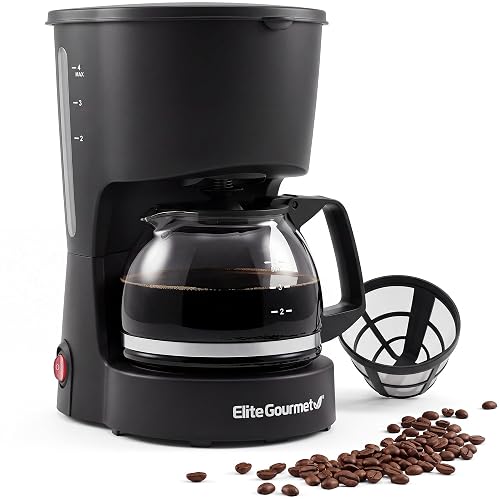
Glass hotplate carafes are common and inexpensive to replace, but the warming plate can cook coffee into a bitter, burnt taste if it sits for more than 20 to 30 minutes. Thermal carafes keep coffee hot without a heating element, which tends to preserve flavour longer. If you want coffee to stay drinkable for a couple of hours, a thermal carafe is the better choice.
Filter Basket
Most machines use either a paper cone filter or a permanent mesh basket. Paper filters are cheap and make cleanup simple, but they add ongoing cost. Permanent gold-tone filters avoid that expense and let more oils through, which some drinkers prefer. Check that the basket fits standard cone sizes, such as #4 cone filters, if you plan to use paper.
Programmability and Extras
A programmable timer lets you start the brew before you wake up. Features like a pause-and-serve function, an adjustable brew strength setting, and a water filter holder can be useful, but they add complexity. Be honest about whether you will use them.
Maintenance and Cost per Cup
Hard water is common across much of Canada, particularly in parts of Ontario, Alberta and the Prairies, and it leaves mineral scale inside the heating system. Scale slows heating and can affect taste. Manufacturers generally recommend descaling every one to three months depending on water hardness and use, using a citric acid or manufacturer-approved descaling solution. Follow the instructions in your manual, and run several rinse cycles with clean water afterward. If you are unsure about your water hardness, your municipal water utility publishes testing results online.
To estimate cost per cup, add up the coffee, filters and any water-filter cartridges you use, then divide by the number of cups you brew. Drip machines are usually among the lowest cost-per-cup options because they use whole coffee grounds in bulk rather than pods.
Practical Steps to Choose and Care for Your Machine
- Count how many mugs you pour on a typical day, then choose a capacity that is slightly above that number.
- Decide whether you need coffee to stay hot for a long time. If yes, prioritize a thermal carafe.
- Check that the filter basket works with the paper filters you plan to buy, or confirm that a permanent filter is included.
- Measure your counter space and the clearance under upper cabinets before you buy.
- Use filtered water if your tap water is hard, and descale on a schedule you can keep.
- Rinse the carafe, lid and basket after every pot, and wipe the warming plate to prevent residue from baking on.
What We’d Use
Choose a model that matches your capacity and carafe preference. These are well-established options Canadian shoppers often consider:
- Cuisinart 12-Cup Programmable Coffeemaker, a familiar option with a programmable timer for households that brew a full pot each morning. View on Amazon
- Bonavita 8-Cup Coffee Maker, a compact choice that emphasizes precise water temperature for a single-household kitchen. View on Amazon
- Ninja 12-Cup Programmable Coffee Maker with Thermal Carafe, suited to buyers who want coffee to stay hot without a hotplate. View on Amazon
Related Questions
What is the best drip coffee maker in Canada for a small household?
For one or two people, an 8-cup model with a programmable timer is usually enough. A compact machine saves counter space and heats the pot faster.
Is a thermal carafe better than a glass hotplate?
In most cases, yes, because it keeps coffee hot without continued heating. Glass carafes are cheaper to replace but can scorch coffee that sits too long.
How often should I descale a drip coffee maker?
Every one to three months is a common guideline, adjusted for your water hardness. Always follow your manufacturer’s instructions.
Do I need a permanent filter or paper filters?
Paper filters give a cleaner cup and simpler cleanup. Permanent filters save money over time and let more oils through. Choose based on taste and the upkeep you want.
Where can I check current availability and warranty terms in Canada?
Check the manufacturer’s Canadian website or your retailer for current models, warranty coverage and return policies, as these details change.
Ready to choose one?
Related reading
- Best Drip Coffee Makers
- Zwilling Enfinigy Glass Drip Coffee Maker: 5 Best Picks Compared (2026)
- Zwilling Enfinigy 1.5 L Drip Coffee Maker: 4 Best Picks Compared (2026)
- Which Drip Coffee Maker Makes the Best Tasting Coffee: A Practical Guide (2026)
About Owen Palmer
Owen Palmer is part of our editorial team and reviews and edits our coffee machines guides, checking product details against manufacturer specifications and owner feedback.