 By Audrey Hayes
Updated November 2026
Cleaning a DeLonghi espresso machine comes down to three routines: rinsing and wiping after use, clearing the brew group and milk path regularly, and descaling on the schedule the manufacturer specifies. Follow these steps and you will keep coffee tasting clean, avoid blocked outlets, and protect the boiler from mineral buildup. The exact steps vary a little between models, so check your owner’s manual for the cleaning cycle your machine uses.
Daily Cleaning After Every Use
Most of the cleaning that matters happens in the first few minutes after you pull a shot. Coffee oils build up quickly, and they turn bitter if they sit.
Shopping for one? See our guide: Clean DeLonghi Espresso Machine: 6 Best Descaling and Cleaning Picks for 2026.
- Empty and rinse the drip tray and the used-grounds container, especially if you use pre-ground or pod-style inserts.
- Wipe the steam wand and milk frother immediately after steaming. Dried milk is much harder to remove.
- Run a short water rinse through the brew group with no portafilter or filter basket in place to flush residue.
- Wipe the outside with a damp microfiber cloth. Avoid abrasive pads on stainless steel.
Weekly Care for the Brew Group and Portafilter
Once a week, pull the portafilter and soak the metal filter basket and the portafilter itself in warm water with a small amount of espresso-machine cleaner or mild dish soap. Rinse thoroughly. Use a brush to clear the shower screen (the metal disc above the coffee puck), since clogged holes cause uneven extraction and channeling.
Many DeLonghi models have a removable brew group that can be rinsed under running water. Check your manual before removing it, and let it dry fully before reinstalling, since trapped moisture can cause odd tastes.
Cleaning the Milk System
If you make cappuccinos or lattes, the milk path is where most problems start. Milk proteins and fats cling to tubes and nozzles, and they can carry a sour smell into your next drink.
- After each use, wipe the wand with a damp cloth and purge a short burst of steam to clear the inside.
- Remove the frothing nozzle or milk tube if your model allows it, and rinse it in warm water.
- Once a week, soak removable milk parts in warm water with a dedicated milk-system cleaner, then rinse well.
- Look for a clog by checking whether the milk tube feels stiff or the froth is weak. Use a thin pin or the cleaning needle that came with the machine to clear the nozzle openings.
Descaling to Remove Mineral Buildup
Descaling removes calcium and limescale from the boiler and water circuit. How often you need it depends on your water hardness and how much you brew. Manufacturers generally specify a descaling cycle that the machine will prompt you to run, and they recommend using their own descaling solution or an equivalent product made for espresso machines.
| Task | Typical frequency |
|---|---|
| Empty and rinse drip tray | Daily |
| Clean milk wand and nozzle | After every use |
| Soak brew parts and clear shower screen | Weekly |
| Descale the machine | When prompted, or every 2–3 months with regular use |
Run the descaling cycle exactly as your manual describes, then flush the tank with fresh water several times afterward. Leftover descaler will taste bitter and is not meant to be consumed.
Common Mistakes to Avoid
- Skipping the milk wand cleaning. Dried milk inside the tube is the most common cause of sour-tasting drinks.
- Using vinegar or harsh household cleaners in place of approved descaling solutions, which can damage seals and internal parts.
- Putting electronic components or the entire machine in the dishwasher.
- Reinstalling wet parts, which encourages mold and off-flavors.
- Ignoring the descale prompt until the machine slows down or the water flow weakens.
Recommended Gear
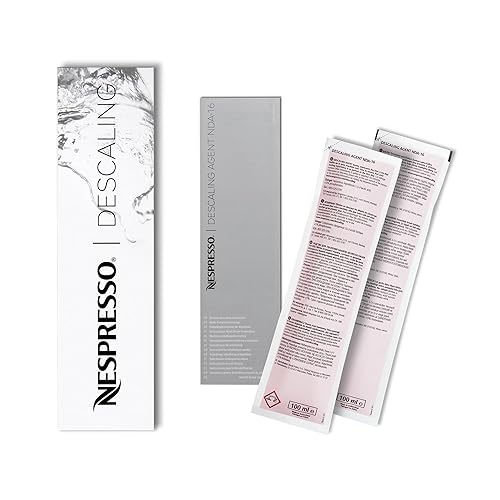
- Espresso machine descaling solution gives you a formulation designed for the internal water circuit. View on Amazon
- Espresso brush set helps you reach the shower screen and group head without scratching surfaces. View on Amazon
- Milk frother cleaning tablets dissolve milk residue inside the wand and nozzle. View on Amazon
FAQ
How often should I descale my DeLonghi espresso machine?
Descale when the machine prompts you, which is usually every two to three months for regular home use. Hard water means more frequent descaling, so check your water hardness if you are unsure.
Can I use vinegar to clean my DeLonghi?
It is better to avoid vinegar. Use a descaling solution approved for espresso machines, and follow your manual’s instructions for the cleaning cycle.
Why does my espresso taste bitter or sour after cleaning?
Residual descaler or cleaning solution is a common cause of bitterness, so rinse thoroughly. Sourness often points to dried milk in the wand or a dirty brew group, so clean those parts again.
Conclusion
Rinse after every use, clean the brew group and milk system each week, and descale on the schedule your machine requests. A few minutes of routine care keeps your DeLonghi tasting better and running longer. When in doubt, follow your owner’s manual for model-specific steps.
Related reading
- Delonghi Rivelia Espresso Machine (2026): Pros, Cons & Verdict
- Delonghi Rivelia Automatic Espresso Machine (2026): Pros, Cons & Verdict
- Delonghi Magnifica Espresso Machine (2026): Pros, Cons & Verdict
- Delonghi La Specialista Espresso Machine (2026): Pros, Cons & Verdict
Ready to choose one?
About Audrey Hayes
Audrey Hayes is part of our editorial team and reviews and edits our coffee machines guides, checking product details against manufacturer specifications and owner feedback.