 By Audrey Hayes
Updated November 2026
Cleaning an espresso machine comes down to three routines: rinsing and wiping after every use, backflushing the group head every week or so, and descaling on the schedule your water hardness calls for. Done consistently, these habits keep coffee tasting clean, protect the boiler and pump, and prevent the oily residue that turns shots bitter. This guide walks through each routine in the order you will actually need them.
Daily cleaning after each session
Most of the buildup that ruins flavor happens in the first few minutes after you pull a shot. Wiping and rinsing right away is far easier than scrubbing dried coffee oils later.
- Knock out the spent puck and rinse the portafilter under warm water.
- Wipe the group head gasket and shower screen with a damp cloth.
- Purge the steam wand after frothing milk, then wipe it with a damp cloth while it is still warm.
- Wipe the drip tray and empty it if your machine has one.
- Dry the outside with a microfiber cloth so milk residue does not harden.
Weekly backflushing the group head
Backflushing pushes water backward through the group head to dislodge coffee oils from the three-way valve and gasket. Only do this on machines that have a three-way valve, and check your manual first, since some models are not built for it.
- Insert a blind basket (a basket with no holes) into the portafilter.
- Add a small measure of espresso machine cleaning powder, usually about a half teaspoon, to the blind basket.
- Lock the portafilter in and run the brew cycle in 5-second bursts, pausing 5 seconds between bursts, for about 10 cycles.
- Remove the portafilter, rinse the blind basket, and run several cycles with no detergent to clear the residue.
- Reinstall the regular basket and run one more rinse shot before brewing coffee.
Some owners prefer a 3-cycle rinse without detergent between sessions, but the core point is to finish with clean water and nothing left in the group. For another angle, check out 25 Best Espresso Machines.
Descaling to remove mineral buildup
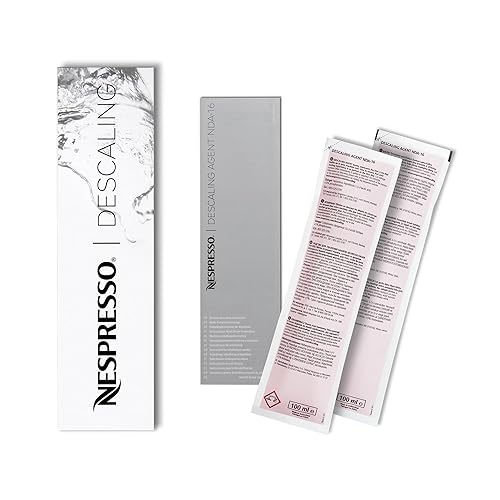
Scale forms when hard water heats up inside the boiler and heating element. Manufacturers generally specify descaling every few months for typical tap water and more often for hard water. Use a descaling solution made for espresso machines, and follow the dilution and cycle instructions in your manual exactly. Plain vinegar is not recommended by many manufacturers because it can leave odor and can be harder to fully rinse out.
If you are unsure which product suits your machine, the guide Clean DeLonghi Espresso Machine: 6 Best Descaling and Cleaning Picks for 2026 covers options for one popular brand, and Cleaning Tablets for Breville Espresso Machine: 7 Best Picks for 2026 compares tablets for another.
Rinsing after descaling
Run at least two full tanks of fresh water through the steam wand and brew group after descaling. Taste the water from the spout. If you notice a chemical or sour flavor, run another rinse cycle.
Cleaning the grinder and accessories
Coffee oil and fine grounds collect in the grinder and portafilter over time, and they go rancid quickly. Brush out the grinder burrs or chute every week or two, and wipe the burr area with a dry brush rather than water. Soak the portafilter basket and metal parts in warm water with a little detergent, then rinse thoroughly. If you are shopping for accessories, Portafilter for Espresso Machine: A Buyer's and Care Guide for 2026 explains how to care for that part specifically.
Recommended gear
- A blind basket makes weekly backflushing possible on machines with a three-way valve, since it lets pressure build for a proper flush. View on Amazon
- Espresso machine cleaning powder is formulated to dissolve coffee oils without harsh residue when used as directed. View on Amazon
- A soft grinder brush helps clear fine grounds from burrs and chutes without introducing moisture. View on Amazon
Common mistakes
- Backflushing with plain water only, which does not remove oils.
- Using too much detergent, which can leave a soapy taste.
- Skipping the rinse cycles after cleaning, so chemicals end up in your shot.
- Waiting months to descale on hard water, which can damage the heating element.
- Wiping the steam wand only when cold, which lets dried milk bake on.
FAQ
How often should I backflush an espresso machine?
Backflushing once a week is a common schedule for home machines used daily. Heavier use or oily dark-roast beans may call for more frequent cleaning.
Can I use vinegar to descale my espresso machine?
Many manufacturers recommend a commercial descaling solution rather than vinegar, because vinegar can leave odor and is harder to rinse fully. Check your manual before choosing a method.
Does cleaning an espresso machine affect how the coffee tastes?
Yes. Rancid coffee oils and mineral scale both make shots taste bitter or flat, so regular cleaning usually improves flavor noticeably.
Conclusion
Cleaning an espresso machine is mostly a matter of routine: rinse and wipe daily, backflush weekly if your machine supports it, and descale on schedule. Follow your manufacturer’s instructions for products and intervals, and consult the manual or a qualified technician if you notice persistent leaks, unusual noises, or electrical problems.
Ready to choose one?
About Audrey Hayes
Audrey Hayes is part of our editorial team and reviews and edits our coffee machines guides, checking product details against manufacturer specifications and owner feedback.