By Owen Palmer
Updated November 2026
A coffee maker cleaner vinegar solution removes mineral scale and coffee oils that build up inside your brewer. Following a simple descaling cycle will restore water flow, improve flavor, and extend the life of your machine. The whole process takes about an hour, most of it passive soaking time.
What Vinegar Does Inside Your Coffee Maker
Hard water leaves calcium and magnesium deposits on the heating element and in the water lines. Vinegar is mildly acidic, and that acid dissolves these deposits over time. Plain distilled white vinegar with about 5% acidity works well for this job, and it is inexpensive and easy to find. Owners often report that a machine that has slowed down or runs noisily sounds noticeably quieter after one cleaning.
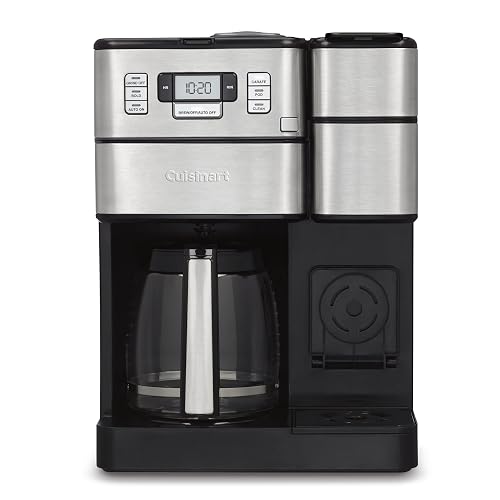
Shopping for one? See our guide: Cuisinart Coffee Maker Cleaner Review: Strengths and Limitations.
How to Clean a Coffee Maker with Vinegar
Most drip machines follow the same basic process, though you should check your manual for any model-specific instructions. The steps below apply to standard drip brewers.
- Empty the carafe and remove any paper or metal filter, along with the used grounds.
- Fill the water reservoir with equal parts white vinegar and fresh water, about 50/50 by volume. A full reservoir usually holds roughly 10 to 12 cups.
- Place an empty carafe on the warming plate and run a full brew cycle.
- Turn the machine off partway through the cycle and let the solution sit in the heating area for 30 to 60 minutes. This soak lets the acid work on stubborn scale.
- Finish the cycle and discard the vinegar mixture.
- Refill the reservoir with fresh water only and run two or three full cycles to rinse out any remaining vinegar taste.
Adjusting the Process for Your Water and Machine
How often you descale depends mostly on water hardness. If you have hard water, a monthly cycle is a reasonable starting point. Soft or filtered water may only need cleaning every two to three months. Many newer machines include a descale indicator light, which is a useful reminder to follow.
Single-serve and espresso machines can be more sensitive. Some manufacturers recommend a specific descaling solution rather than household vinegar, because vinegar can leave residue in tight internal passages. If your machine has a built-in descale mode, use that setting, and always check the manufacturer’s guidance before using vinegar in a pressurized system.
Checklist Before You Start
- Distilled white vinegar, enough for one full reservoir
- Fresh water for the mixture and rinse cycles
- A clean, empty carafe
- A soft cloth to wipe the exterior and warming plate
- The owner’s manual, for any model-specific warnings
Common Mistakes
- Skipping the rinse. Running only one fresh cycle often leaves a sour taste in the next pot.
- Using full-strength vinegar. A 50/50 mix is enough, and undiluted vinegar can be harsher on seals and gaskets.
- Ignoring the filter basket. Rinse it separately to clear any grounds stuck in the holes.
- Descaling too rarely in hard-water areas, which lets buildup harden and become harder to remove.
- Mixing vinegar with other cleaning products, which can create unpleasant fumes.
Recommended gear
A basic cleaning kit makes the routine quicker. A small brush helps reach the spray head and filter basket, and a water filter pitcher can reduce how often you need to descale.
- Soft-bristle cleaning brush for the carafe lid and spray head. View on Amazon
- Replacement water filter for drip machines with a filter cartridge. View on Amazon
FAQ
Can I use vinegar in any coffee maker?
Most standard drip brewers handle vinegar well, but espresso machines and some single-serve models may have specific descaling requirements. Check the manual first, and use the manufacturer’s descaler if it is recommended.
Will my coffee taste like vinegar afterward?
It should not, if you run at least two or three full cycles of fresh water after the vinegar cycle. A faint smell during the first rinse is normal.
How often should I use a coffee maker cleaner vinegar treatment?
Once a month is a common schedule for hard water, and every two to three months suits softer water. Follow any descale light on your machine as the most reliable guide.
Conclusion
A coffee maker cleaner vinegar descaling cycle is a simple, low-cost way to keep your brewer running well. Use a 50/50 mix, soak the solution partway through, and rinse thoroughly before brewing. Repeat on a schedule that matches your water, and your coffee will taste cleaner.
Related reading
- White Vinegar Coffee Maker Cleaner: A Step-by-Step Guide to Descaling
- Using White Vinegar to Clean Coffee Maker: A Step-by-Step Guide
- Use White Vinegar to Clean Coffee Maker: 5 Best Descalers Compared (2026)
- How to Use Vinegar to Clean Coffee Maker: A Step-by-Step Guide
- How to Clean a Drip Coffee Maker with Vinegar: 6 Simple Steps
- How Clean Coffee Maker with Vinegar: A Step-by-Step Guide
Ready to choose one?
About Owen Palmer
Owen Palmer is part of our editorial team and reviews and edits our coffee machines guides, checking product details against manufacturer specifications and owner feedback.