 By Audrey Hayes
Updated November 2026
Choosing a commercial espresso machine automatic setup for a café, restaurant, or office break room comes down to how many drinks you pull per hour, how much counter space you have, and how much training your staff can realistically absorb. This guide compares five machines from the Amazon US catalog that fit different volumes and workflows. The selection criteria were throughput and workflow design, build and boiler configuration, grinder and dosing features, milk handling, and the patterns owners tend to report about reliability and daily cleaning. This is a research-based comparison, not a hands-on test.
Our top picks at a glance
- 1
 TOP CHOICEBest overallMeraki Semi-Automatic Dual Boiler Espresso MachineView on Amazon
- 2
 TOP CHOICEBest for high-volume barsCommercial-Grade Semi-Automatic 2-Group Espresso MachineView on Amazon
- 3
 TOP CHOICEBest for small kitchensDe'Longhi PrimaDonna Aromatic Fully Automatic Espresso MachineView on Amazon
- 4
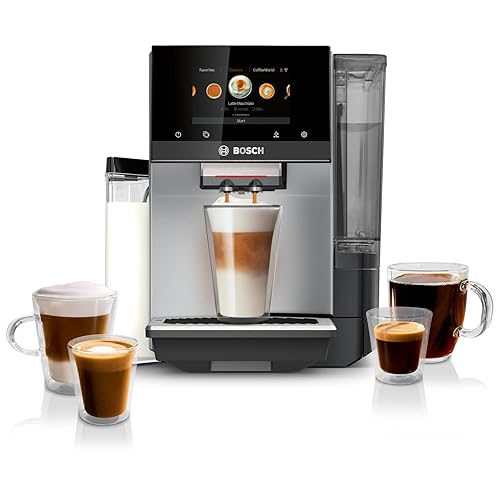 Best for multi-drink menusBosch Fully Automatic Coffee, Cold Brew and Espresso Machine (Silver)View on Amazon
- 5
 Best budget pickBosch Fully Automatic Coffee and Espresso Machine (Stainless Steel)View on Amazon
Our Top Picks
Quick Comparison
| Product | Best for | Key feature |
|---|---|---|
| Meraki Semi-Automatic Dual Boiler Espresso Machine | Baristas who want to pull shots and steam milk at the same time | Dual boiler with built-in burr grinder and dual scales |
| Commercial-Grade Semi-Automatic 2-Group Espresso Machine | High-volume bars with trained staff | Two-group head with 1.6-gallon boiler and rotary pump |
| De’Longhi PrimaDonna Aromatic Fully Automatic Espresso Machine | Small kitchens and offices with mixed drink orders | 38 one-touch recipes with touchscreen and hot/cold frother |
| Bosch Fully Automatic Coffee, Cold Brew and Espresso Machine (Silver) | Cafés serving espresso, cold brew and milk drinks | 36 drinks, cold brew, and integrated milk container |
| Bosch Fully Automatic Coffee and Espresso Machine (Stainless Steel) | Budget-minded operators who want automation | Built-in grinder, large bean capacity and 30 profiles |
Meraki Semi-Automatic Dual Boiler Espresso Machine
MerakiGrind and brew by weight, 45-setting built-in burr grinder, 9-bar rotary pump, and simultaneous brewing and steaming Semi-Automatic Dual Boiler Espresso Machine with Dual Scales, Black
Best for: Baristas who want to pull shots and steam milk at the same time
This machine suits a counter-service café or specialty coffee bar where one trained operator handles espresso and milk. Because the boilers are separate, owners often describe being able to steam while extracting, which keeps queues moving during the morning rush.
Key specs
- Dual boiler design for simultaneous brewing and steaming
- Grind-and-brew by weight with dual scales
- Built-in burr grinder with 45 grind settings
- 9-bar rotary pump
- Black finish
Pros
- Brew and steam at the same time, which speeds up milk drinks
- Weight-based dosing helps keep shots consistent from cup to cup
- Fine grind adjustment suits a range of beans
Cons
- Requires a trained barista to get the most out of the manual workflow
- Takes more daily cleaning attention than a fully automatic machine
Bottom line: A strong fit for specialty cafés and skilled operators who want control over every shot and milk texture.
Commercial-Grade Semi-Automatic 2-Group Espresso Machine
Commercial-Grade Semi-Automatic 2-Group Espresso Machine, Equipped With a 1.6-Gallon Boiler, a Rotary Pump, And Finished In Stainless Steel
Best for: High-volume bars with trained staff
This two-group machine is built for shops that run several espresso drinks at once during peak hours. It requires a barista who understands tamping, timing and steam technique, so it fits businesses that plan staff training from the start.
Key specs
- Two-group head configuration
- 1.6-gallon boiler
- Rotary pump
- Stainless steel finish
Pros
- Two groups allow parallel shot pulling during rushes
- Larger boiler capacity supports sustained steam and brewing
- Stainless steel body is common in commercial settings and easy to wipe down
Cons
- Semi-automatic workflow depends heavily on operator skill
- Large footprint may not fit tight counters
Bottom line: Best suited to established cafés and bars with staff who already know commercial espresso workflow.
De’Longhi PrimaDonna Aromatic Fully Automatic Espresso Machine
#1 Worldwide Espresso Machine Maker, 38 One-Touch Recipes, Hot & Cold Milk Frother, Built-In Grinder, Touchscreen Display De'Longhi PrimaDonna Aromatic Fully Automatic Espresso Machine
Best for: Small kitchens and offices with mixed drink orders
This fully automatic machine works well in a small café corner, office pantry or hotel lounge where staff change often. Its one-touch recipes reduce training time, and the touchscreen guides users through each drink.
Key specs
- 38 one-touch drink recipes
- Built-in grinder
- Touchscreen display
- Hot and cold milk frother
Pros
- One-touch recipes make drink quality less dependent on operator skill
- Touchscreen interface is easy to follow for new staff
- Frother handles both hot and cold milk for a wide drink menu
Cons
- Output volume is lower than dedicated commercial group-head machines
- Less direct control over extraction for experienced baristas
Bottom line: A practical choice for small operations that need consistent drinks without a skilled barista on every shift.
Bosch Fully Automatic Coffee, Cold Brew and Espresso Machine (Silver)
BoschDouble Cup, Touchscreen, Large Bean Capacity, 36 Drinks, Cold Brew, 30 Profiles, Built-in Grinder, Integrated Milk Container Fully Automatic Coffee, Cold Brew and Espresso Machine – Silver
Best for: Cafés serving espresso, cold brew and milk drinks
This double-cup machine suits cafés that sell cold brew alongside hot drinks. Owners often describe it as a way to add cold beverages without buying a second system, and the built-in milk container simplifies cold milk drinks.
Key specs
- Double cup brewing
- Touchscreen interface
- 36 drink options and 30 profiles
- Cold brew function
- Built-in grinder and integrated milk container
- Large bean capacity
Pros
- Cold brew function broadens the menu on warm days
- Double cup feature helps serve two orders at once
- Profiles let staff save preferred settings per drink
Cons
- Built-in grinder and milk system need regular cleaning in a busy shop
- Not designed for the volume of a dedicated commercial espresso line
Bottom line: A good middle ground for cafés wanting automation and a broader drink menu in one footprint.
Bosch Fully Automatic Coffee and Espresso Machine (Stainless Steel)
Cold Brew, Double Cup, Touchscreen, Large Bean Capacity, 36 Drinks, , Profiles, Built-in Grinder, Integrated Milk Container Bosch Fully Automatic Coffee and Espresso Machine – Stainless Steel
Best for: Budget-minded operators who want automation
This stainless steel version shares the core feature set of the silver model and suits operators who want fully automatic brewing without paying for extra menu options they will not use. It fits offices, small cafés and reception areas.
Key specs
- Double cup brewing
- Touchscreen interface
- 36 drinks and 30 profiles
- Cold brew function
- Built-in grinder and integrated milk container
- Stainless steel finish
Pros
- Stainless steel finish matches commercial counters
- Fully automatic workflow reduces training requirements
- Large bean capacity cuts down on refills
Cons
- Volume limits make it a poor fit for high-traffic bars
- Milk container and grinder need consistent daily upkeep
Bottom line: A sensible pick for lower-volume shops that value simplicity and a clean, professional look.
Buying Guide
Throughput and Group Count
Estimate your peak hour before comparing machines. Many operators count drinks per hour during their busiest 60 minutes and add a margin for growth. Single-group and fully automatic units suit lower volumes, while two-group machines are built for sustained parallel extraction.
Good picks for this: Commercial-Grade Semi-Automatic 2-Group Espresso Machine, Meraki Semi-Automatic Dual Boiler Espresso Machine
Automation Level and Staff Skill
Semi-automatic machines reward trained baristas with control over dose, tamp and extraction time. Fully automatic machines use programmed recipes, which helps when staff turnover is high. Decide honestly how much training time you can provide.
Good picks for this: De’Longhi PrimaDonna Aromatic Fully Automatic Espresso Machine, Bosch Fully Automatic Coffee and Espresso Machine (Stainless Steel)
Boiler Setup and Simultaneous Brewing
A dual boiler lets you brew espresso and steam milk at the same time, while single-boiler designs usually require waiting between tasks. If milk drinks make up most of your orders, boiler setup matters more than raw capacity.
Good picks for this: Meraki Semi-Automatic Dual Boiler Espresso Machine
Grinder and Dosing
Check whether a built-in grinder is included and how it adjusts. Weight-based dosing and a wide grind range help keep shots consistent when you change beans. Built-in grinders save counter space but add cleaning tasks.
Good picks for this: Meraki Semi-Automatic Dual Boiler Espresso Machine, Bosch Fully Automatic Coffee, Cold Brew and Espresso Machine (Silver)
Milk Handling and Menu Range
If your menu includes cappuccinos, lattes and cold milk drinks, look for hot and cold frothing or a milk container. Cold brew functions can open a warm-weather revenue stream without extra equipment.
Good picks for this: De’Longhi PrimaDonna Aromatic Fully Automatic Espresso Machine, Bosch Fully Automatic Coffee, Cold Brew and Espresso Machine (Silver)
Footprint, Power and Counter Fit
Measure the space under your hood or counter, including clearance for the water reservoir, drip tray and steam wand. Confirm the machine’s electrical requirements with a licensed electrician before installation, especially for multi-group units that may need dedicated circuits.
Good picks for this: De’Longhi PrimaDonna Aromatic Fully Automatic Espresso Machine, Bosch Fully Automatic Coffee and Espresso Machine (Stainless Steel)
Daily Cleaning and Maintenance
Commercial use means daily rinsing of group heads, purging steam wands, emptying knock boxes and wiping milk lines. Machines with integrated milk systems need the most attention. Plan a cleaning schedule and budget staff time for it.
Good picks for this: Commercial-Grade Semi-Automatic 2-Group Espresso Machine, Bosch Fully Automatic Coffee and Espresso Machine (Stainless Steel)
FAQ
What is the difference between a semi-automatic and a fully automatic commercial espresso machine?
A semi-automatic machine lets the barista control dose, tamp and shot timing, with the pump and boiler handled by the machine. A fully automatic machine grinds, doses, tamps and extracts using programmed recipes, which reduces skill requirements.
Is a dual boiler necessary for a café?
It is not strictly necessary, but a dual boiler lets you steam milk while pulling shots. If most of your orders are milk-based, that workflow advantage is usually worth considering.
How many drinks per hour can these machines handle?
Output depends on group count, boiler size, grinder speed and operator skill. Manufacturers typically specify capacity for specific models, so check the official spec sheet for the exact figure before committing to a volume target.
Do fully automatic machines work for high-volume shops?
Many are designed for offices, small cafés and hotel lounges rather than busy bars. For sustained high volume, a multi-group semi-automatic machine with trained staff is usually the better fit.
How often should a commercial espresso machine be descaled?
Descaling frequency depends on water hardness and daily use. Follow the manufacturer’s maintenance schedule, and consider a water filtration system if your water is hard. Consult a qualified equipment technician for a service plan tailored to your location.
Do I need a licensed electrician to install one?
For multi-group machines or units with high power draw, a licensed electrician should confirm circuit capacity and wiring. Check local electrical and health codes before installation.
Conclusion
For a busy café with trained baristas, the Meraki Semi-Automatic Dual Boiler Espresso Machine and the two-group Commercial-Grade Semi-Automatic 2-Group Espresso Machine give the most control and throughput. For small kitchens or offices where staff change often, the De’Longhi PrimaDonna Aromatic Fully Automatic Espresso Machine offers simple recipe-driven drinks. The Bosch models suit shops that want cold brew alongside espresso, with the stainless steel version as the more budget-minded option. Match the machine to your peak volume, your staff’s skill and your menu, and plan daily cleaning from the start.
Sources
- Food safety guidance for food service equipment, cleaning and sanitizing requirements (fda.gov)
- Standards and certification information for commercial food equipment (nsf.org)
- Guidance on commercial equipment energy use and efficiency (energy.gov)
Related reading
- Manual vs Semi-Automatic vs Automatic vs Super-Automatic Espresso Machines
- How to Use a Semi-Automatic Espresso Machine Correctly
- Home vs. Commercial Espresso Machines: Key Differences
- Essential Maintenance for Super-Automatic Espresso Machines
- Best Super-Automatic Espresso Machines
- Best Semi-Automatic Espresso Machines
- Automatic Espresso Machines: Volumetric Dosing and Who They Suit
About Audrey Hayes
Audrey Hayes is part of our editorial team and reviews and edits our coffee machines guides, checking product details against manufacturer specifications and owner feedback.