By Owen Palmer
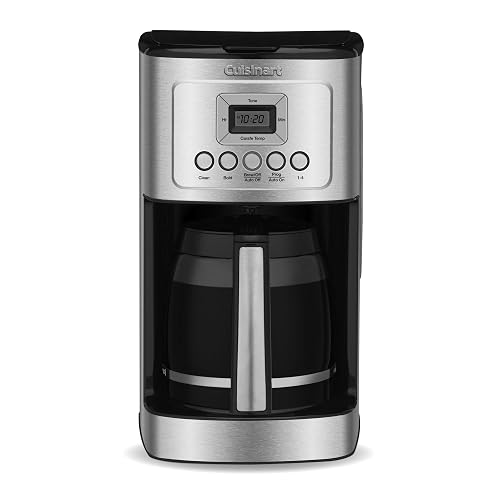
To clean a Cuisinart coffee maker, you run a descaling cycle with white vinegar or a commercial descaler, rinse the machine with several full cycles of plain water, and then wipe down the carafe, filter basket and exterior. Doing this every one to three months removes mineral buildup, keeps brewing times consistent and stops stale coffee oils from flavoring your next pot. The steps below work for most Cuisinart drip models, including those with a programmable timer and a thermal or glass carafe.
Why a Cuisinart Coffee Maker Needs Regular Cleaning
Every pot of coffee leaves behind oils, fine grounds and dissolved minerals from your water. Over time, those residues build up in the heating element, the spray head and the internal tubing. Owners often notice slower brewing, weaker coffee, a bitter or metallic taste, or a machine that seems to take longer to finish a pot. Mineral scale is the main culprit in areas with hard water, while oil residue is more of a flavor problem in machines that brew daily.
Shopping for one? See our guide: 9 Best Coffee Maker by Cuisinarts for Every Brewing Need (2026).
Cleaning also matters for hygiene. Warm, damp spaces such as the filter basket and the lid area can collect mold if they are left wet between uses. A regular routine takes only a few minutes of hands-on time, and the descaling cycle does most of the work for you.
What You Need Before You Start
Gather these supplies so the process goes smoothly:
- White distilled vinegar or a descaling solution made for coffee makers
- Fresh water for rinsing
- A soft cloth or sponge and a small brush for the basket and spray head
- Mild dish soap for the carafe and removable parts
- A paper towel or clean cloth for drying
Check your owner’s manual before you begin. Cuisinart’s guidance for specific models may recommend a particular descaling product, and some carafes or lids have parts that should not be submerged.
Step-by-Step: Descaling Your Cuisinart Coffee Maker
Descaling removes mineral deposits from the internal water path. This is the most important part of a deep clean.
Step 1: Empty and Remove Everything
Unplug the machine and let it cool if it was recently used. Remove the carafe, the filter basket and any permanent filter. Throw away used grounds and paper filters, then empty the water reservoir completely.
Step 2: Fill the Reservoir With the Descaling Solution
For a vinegar solution, mix equal parts white vinegar and water, filling the reservoir to the level many users find works well for a full cycle. If you use a commercial descaler, follow the package directions for the ratio. Place the carafe back on the warming plate, close the lid and make sure the basket is in position so no solution drips onto the counter.
Step 3: Run a Brew Cycle and Pause Halfway
Start a brew cycle. Many owners find it useful to pause the machine after about half the solution has run through and wait around 30 to 60 minutes. This soak gives the vinegar time to dissolve scale. Then let the cycle finish.
Step 4: Run Plain Water Cycles to Rinse
Empty the carafe and discard the vinegar mixture. Fill the reservoir with fresh cold water and run at least two full brew cycles without coffee grounds. Vinegar has a strong smell, and a thorough rinse prevents it from carrying over into your coffee. If the water still smells sour after two rinses, run one more cycle.
Cleaning the Carafe, Filter Basket and Exterior
Once the internal descaling is done, turn to the parts you can reach by hand. Regular cleaning here prevents oily film from building up and keeps the coffee taste clean.
Washing the Carafe
Wash the glass or thermal carafe with warm water and mild dish soap. Use a soft sponge and avoid abrasive pads that can scratch the interior. For stains, a paste of baking soda and water works well. Rinse thoroughly. If your carafe has a lid or a removable gasket, separate those parts and clean them too. Check the manual for whether the carafe is dishwasher safe.
Cleaning the Filter Basket and Spray Head
Rinse the basket under warm water and scrub away any coffee residue. If you use a reusable filter, clean it after every brew to prevent clogging. Look at the shower head or spray nozzle above the basket. If it is partly blocked, gently use a soft brush or a toothpick to clear the holes, then rinse.
Wiping the Exterior and Warming Plate
Wipe the outside with a damp cloth and a small amount of dish soap. Clean the warming plate once it has cooled, and wipe away any spills or drips that have dried around the base. A clean exterior reduces the chance of residue transferring to the carafe.
How Often to Clean Your Cuisinart
The right schedule depends on how often you brew and how hard your water is. The table below is a general guide.
| Task | Suggested Frequency |
|---|---|
| Rinse filter basket and carafe | After every brew or at least daily |
| Wipe exterior and warming plate | Weekly |
| Full descaling cycle | Every 1 to 3 months, or more often with hard water |
| Check spray head for blockage | Monthly |
If you notice that brewing takes noticeably longer or the coffee tastes flat or bitter, descale the machine regardless of the schedule. For related troubleshooting, see Why Your Coffee Maker Won’t Start or Begin Brewing if the machine stops responding after cleaning.
Cleaning the Water Reservoir
The water reservoir is easy to forget. Pull it out and wash it with warm soapy water once a month. Use a bottle brush to reach the corners, and rinse well. Mineral film often shows up as a white ring near the waterline, and a vinegar soak can loosen it. For a more detailed walkthrough, read How to Clean a Drip Coffee Maker’s Water Reservoir.
Cleaning Cuisinart Coffee Maker Parts Thoroughly
Most Cuisinart machines have a few removable parts beyond the carafe and basket, such as lids, drip stops and water filter holders. Separate each one, wash it by hand and let it air dry completely before reassembling. Parts that stay damp can hold odors. For a broader overview of how to handle each component, see How to Clean Coffee Maker Parts: A Step-by-Step Guide.
Using Vinegar Versus a Commercial Descaler
White vinegar is inexpensive and widely available, and many owners use it without trouble. The downside is the smell, which requires extra rinsing. Commercial descalers are formulated to dissolve scale and usually rinse out more easily. Both work. If you want to know whether a specific product is worth buying, Cuisinart Coffee Maker Cleaner Review: Strengths and Limitations covers what that cleaner does well and where it falls short.
If you prefer the vinegar route, the process is covered in more detail in How to Clean a Drip Coffee Maker with Vinegar: 6 Simple Steps.
Common Mistakes to Avoid
- Skipping the rinse. Leftover vinegar or descaler flavors your coffee. Always run at least two full water cycles.
- Using undiluted vinegar. Straight vinegar can be harsh on internal seals. Dilute it with water as directed.
- Scrubbing the carafe with abrasive pads. This scratches glass and can make stains look worse.
- Putting parts back while damp. Trapped moisture leads to odor and mildew.
- Ignoring hard water. If you live in an area with high mineral content, descale more often.
- Running the machine without the carafe in place. Some models will not dispense correctly and may spill.
Tips for Keeping Your Cuisinart Clean Longer
- Empty and rinse the filter basket after every use.
- Leave the lid and basket open between brews so the interior can dry.
- Use filtered water if your tap water is very hard, which slows scale buildup.
- Keep a simple written log or calendar reminder for descaling dates.
- Replace the water filter according to the manufacturer’s schedule, if your model uses one. See When and How to Replace Your Coffee Maker’s Water Filter for guidance.
Recommended gear
Most of what you need is already in your kitchen, but a few items make routine cleaning faster and more effective.
- Coffee maker descaling solution. A commercial descaler is formulated to dissolve mineral scale and rinses out more cleanly than vinegar for many owners. View on Amazon
- Soft-bristle bottle brush. It reaches the reservoir corners and carafe neck without scratching surfaces. View on Amazon
- Narrow cleaning brush set. Useful for clearing the spray head and small crevices in the basket. View on Amazon
FAQ
How do I clean a Cuisinart coffee maker with vinegar?
Fill the reservoir with equal parts white vinegar and water, run a brew cycle with the basket in place, pause halfway for about 30 to 60 minutes, then finish the cycle. Discard the mixture and run at least two full cycles with plain water.
How often should I clean a Cuisinart coffee maker?
Rinse the basket and carafe after each use, wipe the exterior weekly, and descale every one to three months. Households with hard water may need to descale more often.
Can I put the Cuisinart carafe in the dishwasher?
It depends on the model. Check the owner’s manual for whether the carafe, lid and basket are dishwasher safe, and hand wash them if you are unsure.
Why does my coffee taste like vinegar after cleaning?
Residual vinegar is the usual cause. Run two or three additional full cycles with fresh water until the smell is gone before brewing coffee.
Do I need to descale a Cuisinart that uses a water filter?
Yes, filters reduce some minerals but do not eliminate the need for descaling. Follow both the filter replacement schedule and a regular descaling routine.
What if my Cuisinart still brews slowly after cleaning?
Repeat the descaling process, then check the spray head for blockages. If the problem continues, the heating element or another internal part may need professional service or replacement.
Is it safe to use a commercial descaler in a Cuisinart?
Use only descalers that are labeled safe for coffee makers, and follow the directions exactly. Rinse thoroughly afterward. If you have questions about a specific product, check the manufacturer’s guidance or contact customer service.
Conclusion
Cleaning your Cuisinart coffee maker takes less than an hour and makes a noticeable difference in taste and performance. A regular descaling cycle, a thorough rinse, and daily attention to the basket and carafe will keep mineral buildup and odors under control. Set a reminder for your next descaling, and your coffee will taste the way it should.
Ready to choose one?
About Owen Palmer
Owen Palmer is part of our editorial team and reviews and edits our coffee machines guides, checking product details against manufacturer specifications and owner feedback.