 By Audrey Hayes
Updated November 2026
A descaling agent for espresso machine removes the limescale that builds up inside the boiler, heating block and group head as you brew. Choosing the right product, diluting it correctly and running a full rinse cycle will protect the heating elements, keep shot temperature stable and help your machine last longer. This guide walks through how to pick a descaler, how often to use it, and exactly how to run the process without damaging your machine.
Why Espresso Machines Need a Descaling Agent
Water always carries dissolved minerals, mostly calcium and magnesium carbonate. When water is heated, those minerals come out of solution and stick to hot surfaces as scale. In an espresso machine, the most sensitive spots are the boiler (or thermoblock), the heating element, the solenoid valves and the narrow passages in the group head. Even a thin film reduces heat transfer, so the machine has to run longer to reach brewing temperature, and shot temperature can drift.
Scale also changes flow. Restricted passages can cause pressure spikes, uneven extraction and sputtering. Over time, heavy buildup can cause a boiler to overheat or a pump to work harder than it should. A descaling agent dissolves these deposits chemically, which is far gentler than scraping or forcing water through the system with vinegar or other homemade mixes that manufacturers often do not recommend.
How to Choose the Right Descaling Agent
Not every descaler suits every machine. Before buying, check your owner’s manual. Most manufacturers specify an approved descaler or a list of compatible types. Using an unapproved product can void a warranty or damage seals and gaskets.
Here are the main factors to weigh:
- Machine compatibility. Look for explicit approval from the manufacturer. Some brands sell their own descaling solution; others approve specific third-party formulas.
- Active ingredient. Most espresso descalers use citric acid, sulfamic acid, phosphoric acid or a blend. Citric-acid-based products are common and generally considered milder, while stronger acids clear heavier scale faster but need more careful rinsing.
- Metal and seal compatibility. If your machine has aluminum components or rubber gaskets, confirm the product is labeled safe for them.
- Water hardness. Hard water builds scale quickly. If you live in a hard-water area, you will need to descale more often and may benefit from a water filter alongside the descaler.
- Format. Liquid concentrates require measuring and dilution. Pre-diluted solutions and single-use packets are simpler but may cost more per cycle.
Budget-minded buyers can usually find a basic citric-acid descaler that meets manufacturer requirements. Premium options often add extra corrosion inhibitors or come in larger concentrates. Whichever you choose, match it to your manual rather than to marketing claims.
How Often to Descale Your Espresso Machine
Most manufacturers recommend descaling every one to three months for typical home use, but the right interval depends on your water and how often you brew. Use this as a starting point:
| Water Type | Typical Brewing Use | Suggested Descaling Interval |
|---|---|---|
| Soft or filtered water | A few shots per day | Every 3 months |
| Moderately hard water | Several shots per day | Every 2 months |
| Hard, unfiltered water | Heavy daily use | Monthly |
| Any water, commercial-level use | High volume | Follow the manufacturer’s schedule, often more frequently |
Many machines have a descale indicator light or counter. Treat it as a reminder, not the only guide. If you notice slower heating, weaker steam, uneven pressure or unusual noises, descale even if the light has not come on.
Step-by-Step: How to Descale an Espresso Machine
The exact steps vary by model, so follow your manual where it differs. The general process looks like this.
Gather Your Supplies
- Manufacturer-approved descaling agent
- Fresh drinking water for dilution and rinsing
- A clean container large enough to hold the full water reservoir mix
- A measuring cup or the dosing scoop included with the descaler
- A large bowl or drip tray cleaning setup to catch runoff
- Clean cloth and a soft brush for the group head and steam wand
Step 1: Empty and Clean the Machine
Remove the portafilter, drip tray and any water filter. Empty the water tank and wipe down the exterior. Backflush with plain water if your machine supports it, and clean the portafilter basket and shower screen.
Step 2: Dilute the Descaler
Mix the descaler at the ratio printed on the label. Many concentrates use one part descaler to a set volume of water. Stir until fully dissolved, then pour the solution into the water reservoir. Do not exceed the stated concentration; stronger is not better and can increase corrosion risk.
Step 3: Run the Descaling Cycle
Start the machine’s descale program if it has one. Otherwise, run brew cycles manually, dispensing hot solution through the group head and the steam wand. Most manuals ask you to let the solution sit for a set period between cycles, often 15 to 30 minutes, so it can dissolve scale in the boiler. Repeat the cycle until the reservoir is empty.
Step 4: Rinse Thoroughly
This step matters as much as the descaling itself. Discard the used solution, refill the reservoir with fresh water and run several full rinse cycles. Many experts suggest at least two to three complete tanks of clean water. Run the steam wand and hot water spout too, so no residue remains in those lines.
Step 5: Test and Confirm
Dispense a few water-only cycles and taste the output. If it tastes sour or chemical, rinse again. Once clean, reinstall the drip tray and filter, reset the descale indicator if your model has one, and you are ready to brew.
Common Mistakes to Avoid
- Skipping the rinse. Leftover descaler can make espresso taste sour and may affect internal components.
- Using household vinegar as a substitute. Vinegar can leave odors, is harder to rinse fully and is not approved by most manufacturers.
- Mixing a stronger solution than specified. More acid does not clean faster in a safe way and can accelerate wear.
- Ignoring the manual. Some models have specific descaling steps, such as removing particular parts or running a timed program.
- Waiting until the machine is badly scaled. Light, regular descaling is easier and safer than a single heavy treatment.
- Forgetting the steam wand. Scale can build inside the steam line and affect milk texturing.
Tips for Better Results
- Use filtered water between descaling sessions to slow buildup.
- Keep a simple log of when you descale so you can adjust your schedule.
- Wipe the group head and portafilter gasket regularly, since coffee oils and debris add to fouling.
- Store the descaler in its original container, away from children and pets, and keep it out of direct sun.
- If your machine has a water hardness setting, set it correctly so the descale reminder is accurate.
Recommended gear
A few supplies make the process easier and help you stay on schedule.
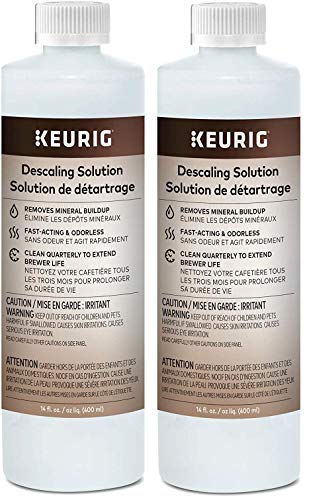
- Manufacturer-approved descaling solution. Using the product your machine’s maker specifies is the safest choice for seals and internal metals. View on Amazon
- Water filter cartridge compatible with your machine. Filtering reduces mineral load and extends the time between descaling cycles. View on Amazon
- Group head cleaning brush. A soft brush helps clear coffee residue from the shower screen and gasket area before you start. View on Amazon
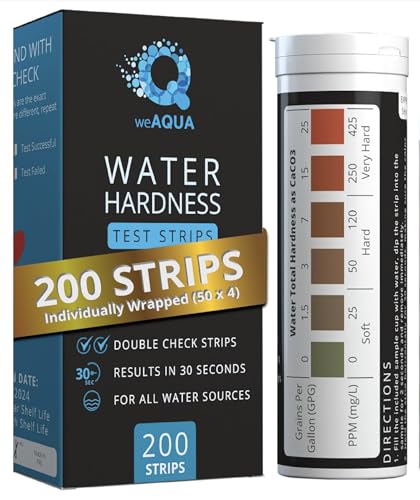
- Water test strips. These give a quick read on your water hardness so you can set a realistic descaling schedule. View on Amazon
For more on keeping your machine in good shape, see Clean DeLonghi Espresso Machine: 7 Best Descaling and Cleaning Picks (2026) and How to Use a Semi-Automatic Espresso Machine Correctly. If you are still choosing a machine, What Makes an Espresso Machine Beginner-Friendly explains which features make ongoing maintenance easier.
FAQ
Can I use vinegar as a descaling agent for espresso machine?
Many manufacturers advise against it. Vinegar can leave a strong smell and taste, is harder to rinse out completely and may not be approved for your model. A product designed for espresso machines is the safer option.
How long does descaling take?
The solution cycle itself often takes 30 to 60 minutes once you include soak time, but a full descale with thorough rinsing commonly takes about an hour or somewhat longer, depending on the machine.
How do I know when my espresso machine needs descaling?
Watch for slower heating, weaker steam, uneven water flow, louder pump noise or a descale light. If any of these appear, it is time to descale, even if the schedule has not come due.
Is citric acid a good descaling agent for espresso machines?
Citric-acid-based descalers are widely used and generally considered gentler than stronger acids. They work well for regular maintenance, provided the product is approved for your machine and you rinse it thoroughly.
Can I descale a machine with a built-in water filter?
Remove the filter cartridge before descaling unless your manual says otherwise. Filters can absorb or be damaged by strong solutions, and they should be replaced on their own schedule.
Will descaling fix a machine that is already damaged?
Descaling removes mineral deposits, but it cannot repair failed heating elements, worn seals or electrical faults. If problems persist after a proper descale, contact the manufacturer or a qualified repair technician.
Is descaling safe for the electrical components?
Descaling is generally safe when you follow the manual and use an approved product. Keep the machine unplugged during cleaning steps that call for it, and never submerge the base or electrical housing in liquid.
Does hard water always mean more frequent descaling?
Yes, in general. Higher mineral content produces scale faster, so hard-water households usually need to descale more often. Filtered water or a water softener can extend the interval significantly.
Conclusion
A good descaling agent for espresso machine protects heating components, keeps brewing temperature consistent and helps your machine run reliably for years. Choose a product approved by your manufacturer, follow the dilution and cycle instructions, and rinse thoroughly. Matching your descaling schedule to your water hardness and brewing habits will keep maintenance simple.
Ready to choose one?
About Audrey Hayes
Audrey Hayes is part of our editorial team and reviews and edits our coffee machines guides, checking product details against manufacturer specifications and owner feedback.