 By Audrey Hayes
Updated November 2026
Descaling a coffee maker removes the mineral buildup that forms inside the water lines and heating element over time. Done every few months, it keeps your coffee tasting clean, helps the machine heat water properly, and prevents slow brewing or strange flavors. The process takes under an hour and needs only basic supplies.
Why Descaling a Coffee Maker Matters
Hard water leaves calcium and magnesium deposits, commonly called scale, wherever it flows and gets hot. Those deposits narrow the tubing, insulate the heating element so it works harder, and can leak into your cup as a chalky taste. Manufacturers generally recommend descaling on a regular schedule, and owners often report that machines in hard-water areas need it far more often than those in soft-water homes. If you use a water filter, the schedule may stretch, but it doesn’t eliminate the need.
Shopping for one? See our guide: Clean Coffee Maker Vinegar: 3 Best Options for Descaling and Cleaning.
Descaling Methods: Vinegar vs. Commercial Descaler
You have two common options. White distilled vinegar is inexpensive and widely available, and it works on most drip machines. Commercial descaling solutions are formulated for the job and are often preferred for espresso machines and single-serve brewers, since manufacturers may specify a particular product. Check your owner’s manual first, because some brands void the warranty if you use vinegar.
Step-by-Step: How to Descale a Coffee Maker
- Empty the carafe and remove the paper or metal filter and any pods.
- Mix the descaling solution. For vinegar, combine equal parts white distilled vinegar and water, enough to fill the reservoir about halfway to two-thirds full. For a commercial product, follow the package ratio.
- Run a full brew cycle with no coffee grounds. Stop the cycle halfway, let the solution sit in the heating area for about 30 minutes, then finish the cycle.
- Discard the liquid in the carafe and rinse the carafe thoroughly.
- Refill the reservoir with fresh cold water only and run at least two full cycles to flush out any vinegar or descaler taste.
- Wipe the basket, carafe and exterior, then brew a test pot of water and check that it tastes neutral.
Descaling Single-Serve and Espresso Machines
Single-serve machines usually ask for a descaling cycle through their menu, and the solution goes into the water reservoir as with a drip maker. Espresso machines often have longer internal paths and may need several rinses. Run the descaling cycle, then flush the group head and steam wand according to the manufacturer’s instructions. If you own a machine with a built-in descale indicator, follow its prompts rather than guessing the timing.
How Often to Descale and What to Watch For
Most owners descale every one to three months, depending on water hardness and how often they brew. Signs it’s overdue include longer brew times, weak or lukewarm coffee, unusual noises from the heater, and a bitter or metallic taste. Keeping a simple log of descaling dates helps you spot patterns in your household.
Common Mistakes to Avoid
- Skipping the rinse cycles, which leaves vinegar or descaler taste in your coffee.
- Using undiluted vinegar, which can be harsh on some internal seals and components.
- Descaling with a coffee filter or grounds still in the basket.
- Ignoring the manual, since some manufacturers specify a particular descaling product.
- Waiting until the machine runs very slowly before descaling, by which point buildup is heavy.
Recommended Gear
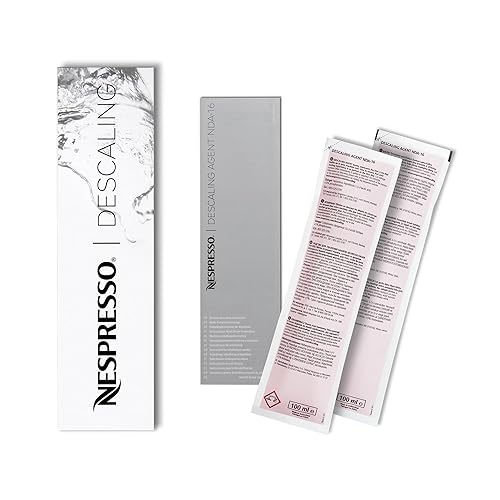
- Commercial descaling solution: A formulated product suits machines whose manuals call for a specific descaler, and it avoids the vinegar smell. View on Amazon
- Water filter pitcher or cartridge: Filtering reduces mineral content before it reaches the heater, which slows future buildup. View on Amazon
FAQ
Can I use lemon juice instead of vinegar?
Lemon juice has acidity and can work in a pinch, but it may leave a citrus residue and is less consistent than vinegar or a commercial descaler. Most owners stick with one of the two standard options.
How long does descaling take?
Plan on about 45 to 60 minutes, including soaking and the rinse cycles. Larger espresso machines can take longer.
Do I need to descale a machine that uses a water filter?
Yes, though less often. A filter reduces scale but does not remove it entirely, so periodic descaling is still recommended.
Conclusion
Descaling a coffee maker is a simple routine that protects flavor and extends the life of the machine. Follow your manual’s guidance on method and frequency, and flush thoroughly afterward. A regular schedule will keep your brew tasting the way it should.
Related reading
- Zwilling Enfinigy Drip Coffee Maker Review: Is It Worth It?
- Why Your Coffee Maker Won’t Start or Begin Brewing
- When and How to Replace Your Coffee Maker’s Water Filter
Ready to choose one?
About Audrey Hayes
Audrey Hayes is part of our editorial team and reviews and edits our coffee machines guides, checking product details against manufacturer specifications and owner feedback.