 By Owen Palmer
Updated November 2026
To shop deals on a plastic free drip coffee maker, start by checking the parts that touch hot water and coffee: the carafe, the water reservoir, the brew basket and the internal tubing. Many machines advertise “BPA-free” plastic, which is not the same as plastic-free. Filter out the models that still rely on plastic in those zones, then compare sale prices on the ones that remain.
Why “plastic free” is harder to find than it sounds
Most drip coffee makers use plastic for the housing, lid, water tank and often the basket. Plastic keeps the cost and weight down and resists heat reasonably well. Glass and stainless steel carafes are common, but manufacturers frequently pair them with plastic brew baskets, plastic showerheads and plastic water reservoirs. That means a machine can have a glass pot and still contain plenty of plastic in the brewing path.
Because of this, a product listing that says “glass carafe” tells you only part of the story. You need to read the materials section of the spec sheet or the product description to see what the water actually passes through.
The factors that determine whether a machine is truly plastic free
Three zones matter most when you are trying to avoid plastic in brewing:
- The carafe or server: Borosilicate glass and stainless steel are the usual choices. Glass lets you see the brew level, while steel holds heat without a warming plate.
- The water path: Look for a stainless steel or glass reservoir and a metal showerhead or spray arm. Tubing inside the machine is harder to inspect, so check whether the manufacturer lists its materials.
- The brew basket and filter holder: Stainless steel baskets are widely available. Reusable metal filters avoid paper, though they can let more fine sediment through, which you should expect.
Also check the heating element housing and external shell. A fully plastic-free exterior is uncommon, and most buyers accept a plastic base or control panel as long as the brewing components are glass or steel.
How to tell a real deal from a markdown on a cheap model
A sale only matters if the machine meets your material requirements. Before you act on a discount, confirm the product’s current specifications rather than trusting an old listing photo. Manufacturers sometimes change internal components between model years, so a model name alone may not guarantee the same materials.
Compare the same model across two or three sellers, and check whether a discount applies to the exact model or to a bundle with accessories you do not need. Look at the return policy as well. If you find a plastic part you did not expect, you want a clear way to send the machine back.
Keep in mind that a budget drip maker usually costs less because it has fewer features, not because it uses better materials. A basic glass-and-steel model can still be the right choice if it brews the way you like.
Practical steps before you buy
- Write down which parts you need to be plastic free: carafe only, or the full water path.
- Read the product’s materials list, not just the marketing headline.
- Search the model number with “materials” or “specifications” to find the manufacturer’s listing.
- Compare sale prices across sellers for the identical model and color.
- Check the return window and warranty terms before you check out.
- After delivery, inspect the basket, showerhead and reservoir to confirm they match the listing.
Keeping a plastic-free machine clean
Glass and steel are easier to clean than many plastics, which can hold onto oils over time. Descale the machine regularly with a citric acid or manufacturer-approved descaler, following the product’s instructions for dilution and cycles. Rinse the carafe, basket and reservoir after each use, and let the parts dry fully before storing them to prevent mineral buildup and odors.
What we’d use
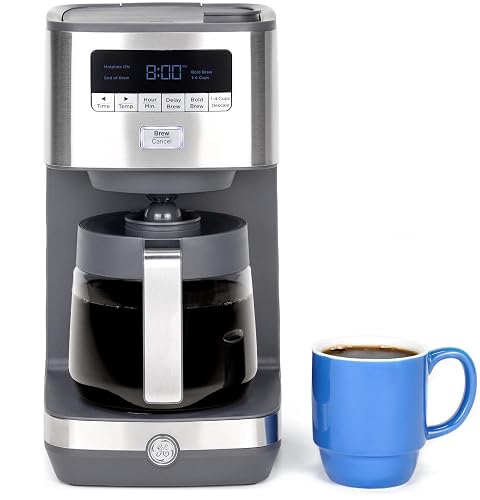
If you want a plastic-free brewing setup with a glass carafe and metal brew basket, a Cuisinart Glass Carafe Coffee Maker is a common starting point, though you should confirm the basket and reservoir materials on the current listing. For a stainless steel build, a Zwilling Enfinigy drip coffee maker is often mentioned by buyers who prefer a metal finish, and you can verify its materials before purchase. A simple pour-over-style dripper with a glass server gives you full control over materials if a traditional machine does not fit your kitchen. View on Amazon
For more options and comparisons, see Plastic-Free Drip Coffee Maker Picks: 6 Best Glass and Steel Options (2026) and Stainless Steel Drip Coffee Maker No Plastic: 6 Best Picks (2026). If you are weighing glass against metal, 6 Best Glass Coffee Drip Makers for Clean, Plastic-Free Brewing covers the tradeoffs. Buyers comparing sale offers may also find Drip Coffee Maker Deals: How to Spot a Good Buy in 2026 useful, and Drip Coffee Maker No Plastic: How to Find and Use One (2026) walks through the search process step by step.
Related questions
Is BPA-free plastic the same as plastic free?
No. BPA-free plastic still contains plastic, which the water and coffee touch during brewing. If you want to avoid plastic entirely, look for glass or stainless steel in the brewing path.
Do glass carafes break easily?
Borosilicate glass handles heat better than standard glass, but it can still crack if dropped or thermally shocked. Handle it carefully, and avoid placing a hot carafe on a cold surface.
Are metal filters better than paper filters?
Metal filters avoid paper waste and let more oils through, which some drinkers prefer. They can also allow more fine grounds into the cup, so expect a slightly different texture.
How often should I descale a drip coffee maker?
Follow the manufacturer’s guidance. Many owners descale every one to three months depending on water hardness and how often they brew. Check the owner’s manual for the recommended schedule.
Where can I confirm current sale prices and availability?
Check the seller’s product page directly, since prices and stock change often. For warranty or material questions, contact the manufacturer’s customer service team.
FAQ
Can I trust a “plastic free” label on a drip coffee maker?
Check the product specifications and the manufacturer’s materials list rather than relying on the headline claim alone. Look specifically at the carafe, reservoir, brew basket and internal tubing, since these are the parts that contact water and coffee. If the manufacturer does not list the materials for those parts, treat the label with caution.
Is a glass carafe always the best choice for a plastic-free machine?
A glass carafe keeps the brewed coffee away from plastic, which is why many plastic-free buyers prefer it. Some machines pair a glass carafe with plastic elsewhere, so the carafe alone does not settle the question. Review the full list of wetted parts before deciding.
Do plastic-free machines cost more than standard models?
Machines built with glass, stainless steel or ceramic in the wetted zones often sit higher in the market than plastic-heavy models. That said, budget options do exist, and they are worth comparing carefully. Judge each machine by its materials and features rather than assuming the cost reflects them.
What should I check on a machine marked as a sale or clearance item?
Confirm that the discounted model is the same version whose materials you verified, since retailers sometimes sell several variants under similar names. Compare the sale listing against the manufacturer’s page to make sure the components match. A markdown only helps if the machine still meets your material requirements.
Will a plastic-free machine still work well with paper filters?
Paper filters are a separate component from the machine body, so they do not change whether the brewer itself is plastic free. Choose paper or metal filters based on your taste and cleanup preferences. The filter material does not determine the plastic status of the brewer.
Where should I look for current availability before buying?
Check the manufacturer’s website and the seller’s product page for the latest stock and sale information, since both change frequently. Confirm the materials listing on the same page you use to buy. Verifying directly with the seller is the most reliable way to confirm availability.
Conclusion
If you want the strictest plastic-free setup, prioritize machines with glass, stainless steel or ceramic in every part that touches water and coffee, and be ready to pay a bit more for that assurance. If you are working within a tight budget, look for models whose wetted parts are clearly documented as free of plastic, and use sale events to narrow the field without sacrificing those materials.
Either way, verify the materials for the exact model you plan to buy before checking out. A verified machine at a fair price serves you better than a discounted one whose materials you have not confirmed.
Ready to choose one?
About Owen Palmer
Owen Palmer is part of our editorial team and reviews and edits our coffee machines guides, checking product details against manufacturer specifications and owner feedback.