 By Owen Palmer
Updated November 2026
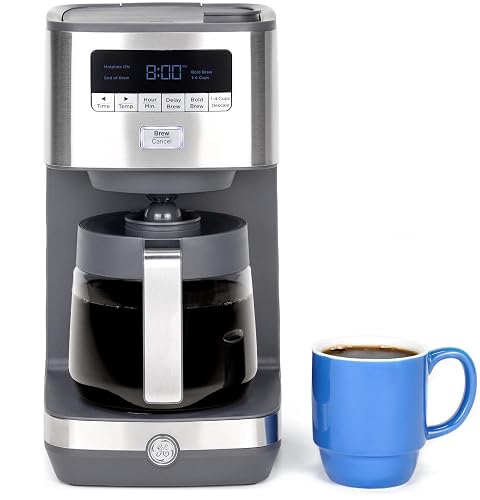
A kris drip coffee maker is a drip-style brewer associated with the “Kris” name, and the term is used by shoppers and sellers to describe a specific style of automatic drip machine. Because “Kris” is not a widely established mainstream brand in the way Cuisinart or Mr. Coffee are, buyers should verify the exact manufacturer, model number and specifications before purchasing. In practice, the machine works like any automatic drip brewer: water is heated, pushed over ground coffee in a filter basket, and dripped into a carafe.
What the term usually means for buyers
When someone searches for a kris drip coffee maker, they are most often looking for a basic countertop machine that brews a pot of coffee using a paper or reusable filter, a water reservoir and a warming plate or thermal carafe. The name may appear on a listing, a box or a retailer’s catalog. Since model naming can vary across sellers, the safest approach is to match the listing to the real specifications: capacity in cups, brew strength settings, filter type and whether it has a programmable timer.
Shopping for one? See our guide: Drip Coffee Maker Pour Over: 7 Best Picks for Every Brewer (2026).
Check the manufacturer’s manual or the product page for these details. Manufacturers typically specify maximum capacity, recommended water volume and descaling intervals, and those numbers matter more than the marketing name on the box.
How a drip coffee maker like this brews
Most automatic drip machines follow the same basic sequence. A pump or gravity feed moves water from the reservoir into a heating element. Once the water reaches the target temperature, it is distributed over the coffee grounds in the filter basket. Brewed coffee drains through the filter into the carafe, and a warming plate or insulated carafe keeps it hot.
Brew quality depends on a few variables you control:
- Grind size: Medium grind is standard for most drip machines. Fine grounds can clog the filter and slow the brew.
- Coffee-to-water ratio: A common starting point is about 1 to 2 tablespoons of ground coffee per 6 ounces of water, adjusted to taste.
- Water temperature: Many manufacturers aim for water between roughly 195 and 205 degrees Fahrenheit during brewing.
- Cleanliness: Mineral buildup and old coffee oils affect both taste and machine performance.
Features that matter when comparing models
If you are evaluating a kris drip coffee maker or any similar drip brewer, focus on the features that change your daily experience. Capacity should match how much coffee you actually drink. A 4-cup machine suits one or two people, while 10 to 12 cups is more practical for a household or small office. Look for a programmable timer if you want coffee ready before you wake up, an auto shutoff for safety, and a carafe that fits your counter space and cleaning routine.
Carafe type is worth special attention. Glass carafes on a warming plate can scorch coffee if it sits too long, while thermal carafes hold heat without a hot plate. Our guide on Thermal Carafe Drip Coffee Maker: How It Works and How to Choose One explains the tradeoffs in more detail. Filter basket design matters too: a basket that accepts both paper and reusable filters gives you more flexibility.
Maintenance and descaling
Mineral scale builds up inside the heating components over time, especially in areas with hard water. Manufacturers generally recommend descaling every one to three months depending on use and water hardness. Use a descaling solution designed for coffee makers or a diluted white vinegar solution, following the manufacturer’s ratio. Run the mixture through a full brew cycle, then run several cycles of clean water to rinse.
The water reservoir also needs regular attention. Our article on How to Clean a Drip Coffee Maker's Water Reservoir covers the process step by step. Wash the carafe and filter basket after each use, and let the machine air dry with the lid open to prevent musty odors.
Practical steps to get better coffee from any drip machine
- Weigh or measure your coffee so you can repeat good brews consistently.
- Use filtered water if your tap water is hard or tastes off.
- Run a clean-water cycle before the first brew to flush out any manufacturing residue.
- Pour the brewed coffee into a preheated mug or thermal carafe rather than leaving it on a hot plate.
- Descale on a set schedule and wipe the exterior and drip area weekly.
- Replace the paper filter or clean the reusable filter after every brew to avoid stale flavor.
Choosing the right drip machine for your kitchen
If you are shopping rather than already owning one, start with your daily volume and counter space. A small drip brewer may fit a studio apartment, while a larger model with a thermal carafe suits families and guests. Our overview of How to Choose a Drip Coffee Maker: Features That Actually Matter walks through the decision in order of importance. For a compact option, see Choosing a Small Drip Coffee Maker for One or Two People.
Budget-minded shoppers should know what basic machines can and cannot do. What to Expect from a Budget Drip Coffee Maker explains realistic expectations for simpler models, including limits on temperature control and carafe quality.
What we’d use
If you want a dependable automatic drip brewer with a programmable timer and a simple cleaning routine, a well-established model from a major brand is a safer bet than an unfamiliar listing. Cuisinart Programmable Coffee Maker is a common choice for shoppers who want clear controls and a removable filter basket.
For a thermal option that keeps coffee hot without a warming plate, Technivorm Moccamaster is widely recognized for its brewing consistency, though it is a premium purchase. Shoppers who prefer a more budget-friendly everyday brewer can look at the Mr. Coffee 12-Cup Programmable Coffee Maker.
Related questions
Is a kris drip coffee maker the same as a Mr. Coffee or Cuisinart?
Not necessarily. Each name refers to a different manufacturer and model line. Compare capacity, carafe type and filter design rather than assuming similar performance based on the name.
How often should I descale a drip coffee maker?
Most manufacturers suggest every one to three months, more often with hard water or heavy daily use. Check your manual for the recommended interval.
Can I use vinegar to clean my drip coffee maker?
Diluted white vinegar is a common home descaler, but follow your manufacturer’s guidance. Some models recommend a specific descaling product, and running several rinse cycles afterward helps remove any taste.
Why does my drip coffee taste bitter or weak?
The usual causes are grind size, coffee-to-water ratio, water temperature and mineral buildup. Adjust one variable at a time to find the cause.
Should I keep coffee on the warming plate?
Limit warming time to about 20 to 30 minutes. Longer holding can scorch the coffee and change its flavor. A thermal carafe avoids this problem.
FAQ
Is a kris drip coffee maker safe to use every day?
Most automatic drip machines are designed for daily use, as long as you follow the manufacturer’s instructions for water, cleaning and power. Check the manual for any warnings about the carafe, hot plate or water reservoir before brewing regularly. If anything looks cracked, leaks or smells burnt, stop using it until it has been checked.
Do I need special filters for a kris drip coffee maker?
Many drip machines use standard basket-style paper filters, but some models require a specific size or shape. Look at the manual or the box for the recommended filter type before buying supplies. A reusable mesh filter can also work if the basket fits it correctly.
How much coffee should I use per cup?
A common starting point is about one to two tablespoons of ground coffee for each six-ounce cup, but taste and strength preferences vary. Adjust in small steps until the flavor suits you. Using fresh, evenly ground coffee makes it easier to get consistent results.
Can I brew tea or other drinks in a drip coffee maker?
Some people brew loose-leaf tea or cold-brew style concentrates in a drip machine, but it is not what these machines are designed for. Residue and flavor carryover can affect later pots of coffee. If you try it, run a full cleaning cycle afterward.
Why does the carafe need to stay on the base during brewing?
Most drip machines use a sensor or a safety switch that only allows brewing when the carafe is correctly placed. If it is not in position, the machine may not start or may overflow. Always set the carafe back on its base before pressing start.
What should I do if the machine stops working?
Start by checking the power outlet, the reservoir and the basket for blockages or incorrect placement. Run a cleaning cycle if mineral buildup might be the cause. If the problem continues, consult the manufacturer’s support contact listed in the manual.
Conclusion
A kris drip coffee maker suits buyers who want a simple, automatic brewer for everyday coffee and who are willing to confirm the exact model and manufacturer before purchase. If you value straightforward operation, a basic drip machine with a clear manual and easy-to-find replacement parts is a good fit.
Shoppers who want a more established brand with wide parts and service support, or who need extra features like programmable timers and thermal carafes, may be better served by a widely recognized model from a major manufacturer. Choose based on how much you brew, how much you value support, and how important convenience features are to your routine.
Ready to choose one?
About Owen Palmer
Owen Palmer is part of our editorial team and reviews and edits our coffee machines guides, checking product details against manufacturer specifications and owner feedback.