By Owen Palmer
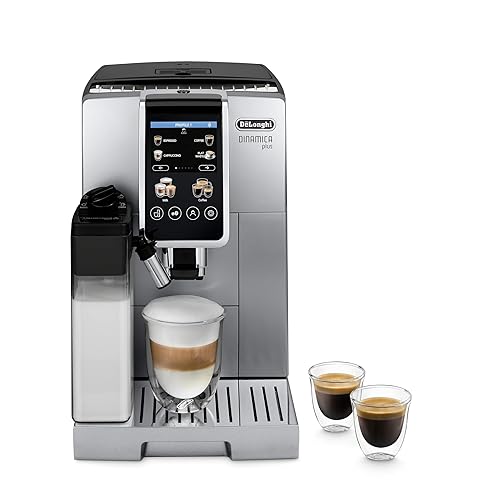
A miele coffee espresso machine is a built-in or freestanding bean-to-cup appliance from the German manufacturer Miele, designed to grind, dose, brew and often steam milk at the push of a button. This guide explains how these machines work, what separates one model from another, how to set one up and keep it running, and where a Miele fits compared with other home espresso options. By the end, you should be able to judge whether a Miele suits your habits and get the most out of it day to day.
What a Miele Coffee Espresso Machine Is and How It Works
Most Miele espresso machines are automatic or fully automatic models, sometimes called super-automatics. The basic cycle is the same across the range. Beans fall from a hopper into an integrated grinder, the grinds are dosed into a brew chamber, hot water is forced through the puck under pressure, and the espresso drops into your cup. Milk, where supported, is heated and frothed through a steam system or a dedicated milk module.
Shopping for one? See our guide: 6 Best breville bambino plus espresso machine (2026): Expert Picks. We also found Best Coffee Scales for Pour-Over and Espresso: 4 Scales Compared useful on this point.
The main difference from a manual or semi-automatic machine is control. You do not tamp by hand or time the shot yourself. The machine handles grind size, dose, tamp and extraction time based on its programming. If you want more on where these machines sit in the broader category, see Manual vs Semi-Automatic vs Automatic vs Super-Automatic Espresso Machines.
Key Features to Look For in a Miele Model
Miele’s lineup changes over time, so check the current spec sheet for any model you consider. The features below are the ones that most affect daily use:
- Integrated burr grinder: Look for adjustable grind settings so you can match the grind to light or dark roasts. Built-in grinders are covered in more detail in How Espresso Machines with Built-In Grinders Work.
- Bean hopper capacity: A larger hopper means fewer refills, which matters if several people drink coffee.
- Drink programs and profiles: Presets for espresso, lungo, cappuccino and similar drinks, plus adjustable strength, temperature and volume.
- Milk system: Some models use a steam wand, others an automatic milk container. Automatic systems are quicker to clean up but harder to fully disassemble.
- Water filtration: Many Miele machines work with an in-tank filter. Using one reduces scale and taste issues.
- Cleaning and descaling cycles: Automatic rinse and descale prompts reduce guesswork, but you still need to perform them on schedule.
For a general framework on what separates premium machines from mid-range ones, see What Makes a Coffee Machine Premium Beyond Price and Key Features That Define Mid-Range Coffee Machines.
Step-by-Step: Setting Up Your Machine
Step 1: Unpack and Position the Machine
Place the machine on a level counter with clearance above and around it. Leave enough space behind for the water tank and drip tray to slide out. Built-in models need the cabinet dimensions and ventilation specified in the installation manual, so confirm those before you buy.
Step 2: Fill and Filter the Water
Fill the water tank with fresh, cold, filtered water. Install the filter according to the manual, usually by soaking it briefly and fitting it into the tank holder. Replace it on the interval the machine’s display or manual specifies.
Step 3: Fill the Bean Hopper
Add whole, fresh beans. Oily, dark roasted beans can clog grinders and leave residue, so many owners choose medium or medium-dark roasts. Avoid pre-ground coffee, which the grinder is not designed to process.
Step 4: Run the Initial Rinse
Complete the first-use rinse cycle. This flushes manufacturing residue and primes the system. Discard the water.
Step 5: Set Grind, Strength and Temperature
Choose a drink, then adjust grind size, strength and volume. Start in the middle of each range. Adjust one variable at a time so you can tell which change made the difference.
Brewing Your First Drinks
Once the machine is set up, a few habits make results more consistent:
- Preheat your cups with hot water from the spout or a cup-warming function.
- Brew one espresso and taste it before brewing a full round.
- If the shot runs too fast and tastes sour, go finer. If it runs too slow and tastes bitter, go coarser.
- For milk drinks, purge the steam wand or milk system briefly before use, and wipe the wand after every frothing session.
- Keep beans sealed and away from heat and light so the flavor holds up longer.
If your shots taste harsh or burnt, the cause is often grind or temperature rather than the machine itself. How to Fix Bitter, Over-Extracted Coffee from Your Machine walks through the usual adjustments.
Routine Cleaning and Descaling
Maintenance matters more with automatic machines than with simple drip makers because water and milk pass through many internal parts. Manufacturers generally specify these routine tasks:
| Task | How often (typical guidance) | Notes |
|---|---|---|
| Empty and rinse drip tray and grounds container | Daily or when prompted | Prevents mold and odor buildup |
| Clean milk system or steam wand | After each milk drink | Milk residue hardens quickly |
| Replace or rinse water filter | Per display prompt or manual interval | Check the filter type your model uses |
| Run rinse or cleaning cycle | Weekly or as prompted | Use only cleaning products the manual approves |
| Descale | When the machine prompts, typically every few months depending on water hardness | Use the manufacturer-approved descaler |
For the descaling process itself, including how to avoid damaging seals, read How to Descale a Coffee Maker and Espresso Machine Safely. Always follow the Miele manual’s instructions, since mixing descalers or using household vinegar can void warranty coverage and harm internal components.
Common Mistakes to Avoid
- Skipping descaling: Scale slows heating and can damage the boiler. Set a reminder rather than waiting for a fault.
- Using pre-ground or very oily beans: These can clog the grinder and throw off extraction.
- Leaving milk residue in the system: Dried milk causes blockages and sour smells. Rinse after every use.
- Ignoring the filter schedule: An expired filter lets scale and off-flavors through.
- Changing too many settings at once: Adjust one variable, brew, taste, then decide on the next change.
- Storing the machine in a damp or unventilated spot: Keep it clear of heat sources and allow airflow.
Tips for Getting Better Results
- Buy beans in small quantities and note the roast date. Use them within a few weeks of roasting where possible.
- Keep a short log of grind settings for each bean you buy, since every new bag may need slight adjustment.
- Run a rinse before brewing if the machine has been idle for several hours.
- If you are new to espresso, How to Choose Your First Espresso Machine can help you judge whether a fully automatic model fits your routine.
- Read Essential Maintenance for Super-Automatic Espresso Machines for a broader maintenance routine that applies to Miele models.
Recommended gear
These supplies help with day-to-day care of a Miele machine. Check your model’s manual to confirm compatibility before buying.
- Manufacturer-approved descaler: Using the descaler specified by Miele keeps seals and internal parts within the warranty terms and avoids residue issues. View on Amazon
- Replacement water filter: Keeping a spare on hand means you never run the machine with an expired filter. View on Amazon
- Milk frothing cleaning brush: A small brush reaches into steam wands and nozzles that a cloth misses. View on Amazon
- Airtight bean storage canister: Keeping beans sealed protects flavor between refills. View on Amazon
To understand how milk systems differ and which cleaning routine suits yours, see Understanding Different Espresso Machine Milk Frothing Systems.
FAQ
Is a Miele coffee espresso machine the same as a regular espresso machine?
Not quite. Most Miele models are fully automatic, meaning they grind, dose, tamp and brew without manual input. Manual and semi-automatic machines leave more of those steps to you.
Do I need to use Miele’s own descaler?
Miele specifies approved products in its manual. Using an approved descaler is the safest choice, because other products may not be compatible with the machine’s components.
How often should I clean the milk system?
Rinse it after every milk drink and follow the manual’s full cleaning routine on the schedule the machine indicates.
Can I use pre-ground coffee?
Miele machines are designed for whole beans that pass through the built-in grinder. Pre-ground coffee is generally not recommended and may cause problems.
Why does my espresso taste bitter?
Common causes include a grind that is too fine, brew strength set too high, very dark roasted beans, or scale buildup. Adjust one setting at a time and descale if needed.
How long should the machine last with regular care?
Lifespan depends on use, water quality and maintenance. Regular cleaning, filter changes and descaling are the most important factors within your control.
Is a built-in grinder good enough for good espresso?
For most home drinkers, yes. Integrated burr grinders can produce consistent results when the grind is set correctly for your beans.
When should I call a service technician?
If the machine shows an error code that persists after the recommended cleaning or descaling, or if you notice leaks, unusual noises or burning smells, stop using it and contact Miele or an authorized service provider. Keep the warranty paperwork handy.
Conclusion
A miele coffee espresso machine suits people who want café-style drinks with minimal hands-on work, provided they accept the routine maintenance that automatic systems require. Set it up carefully, dial in your grind and strength one step at a time, and keep up with rinsing, filter changes and descaling. Those habits will do more for your coffee than any single feature.
Ready to choose one?
About Owen Palmer
Owen Palmer is part of our editorial team and reviews and edits our coffee machines guides, checking product details against manufacturer specifications and owner feedback.