 By Owen Palmer
Updated November 2026
A vacuum brewing coffee maker uses vapor pressure and vacuum to steep grounds in a clear, controlled way, producing a cleaner, more delicate cup than most drip machines. A standard drip coffee maker wins on simplicity, speed for larger batches and everyday convenience. If you want a ritual and care about clarity of flavor, the vacuum style is worth the extra attention; if you want to fill a carafe and walk away, drip is the better fit.
| Criterion | Vacuum Brewing Coffee Maker | Standard Drip Coffee Maker |
|---|---|---|
| Brewing method | Heated water rises into an upper chamber, then drains back through the grounds under vacuum | Water is poured over grounds in a paper or permanent filter and drips into a carafe |
| Flavor clarity | Typically very clean and bright | Balanced and familiar, with more body |
| Typical batch size | Usually 2 to 5 cups per cycle | Often 4 to 12 cups per cycle |
| Hands-on time | Requires monitoring the brew and timing the steep | Mostly hands-off once loaded |
| Cleanup | More parts to rinse, including the filter and chamber | Basket, carafe and filter, usually quick |
| Learning curve | Moderate, grind size and timing matter | Low, load grounds and press start |
| Best for | Single-origin lovers and slow-coffee enthusiasts | Households and anyone brewing for several people |
Flavor and Clarity: Vacuum Brewing Coffee Maker Wins
The main reason people choose a vacuum brewing coffee maker is the cup. Because the grounds steep in a controlled temperature range and the brew is drawn through the bed under reduced pressure, the result tends to be bright, tea-like and clean on the finish. Light roasts and washed coffees often show their fruit notes more clearly than they do in a standard drip machine.
Drip machines are not bad at flavor. Most produce a balanced, dependable cup, and many owners prefer the fuller body that paper-filtered drip gives. The difference comes down to what you want. If you enjoy noticing acidity, florals and sweetness, the vacuum method rewards you. If you like a heavier, more familiar mug, drip usually suits you better.
To get the most from a vacuum brewer, use medium-fine grounds, measure carefully and keep water temperature consistent. Owners often report that small changes in grind size shift the cup noticeably, so expect some experimentation before you settle on a recipe.
Capacity and Speed: Standard Drip Coffee Maker Wins
If you brew for a household or a small group, a standard drip coffee maker is the practical choice. Most common models make a full pot in a few minutes and hold the carafe warm, so you can refill cups without starting over. Vacuum brewers typically make two to five cups at a time, which is fine for one or two people but slows down when you need a larger batch.
Vacuum brewers also take more time per cup. A single cycle includes heating, steeping and draining, and you will usually want to stay nearby to watch for the right moment to remove the heat. Drip machines run on their own, which matters on busy mornings.
Ease of Use: Standard Drip Coffee Maker Wins
Drip machines are about as simple as home appliances get. You add water to the reservoir, place a filter in the basket, add ground coffee, close the lid and press start. Most people can operate one without reading the manual.
A vacuum brewing coffee maker asks more of you. You need to measure grounds precisely, set the steep time and manage heat. Once you learn the rhythm, the process becomes enjoyable, but it is not hands-off. If you are the kind of person who likes to tinker, that involvement is part of the appeal. If you want consistency with minimal thought, drip is easier.
Cleaning and Maintenance: Standard Drip Coffee Maker Wins
Cleanup favors drip for most households. Remove the filter basket, toss the grounds, rinse the carafe and wipe the warming plate. Manufacturers generally recommend running a descaling solution through the machine periodically, typically every one to three months depending on water hardness, and drip models have fewer small parts to deal with.
Vacuum brewers have more components. The filter, the upper chamber and the seals all need rinsing after use, and owners often report that stubborn residue collects in narrow passages. Check the manufacturer’s care instructions, rinse thoroughly after every session and descale on the schedule the instructions specify. Consult the manual for the correct cleaning agent, since some vacuum brewers have components that do not tolerate harsh solutions.
Build and Brewing Control: Vacuum Brewing Coffee Maker Wins
A vacuum brewer gives you more direct control over the variables that shape flavor. You decide the steep time, the grind and the dose, and you can adjust each one independently. Drip machines offer less control. Most do not let you change water temperature or bloom time, so your options are limited to the grind, the amount of coffee and the brew strength setting, if the model has one.
That said, a good drip machine that holds a consistent water temperature and distributes water evenly can produce excellent coffee with a quality grinder and fresh beans. Control matters most to people who want to experiment.
Which Should You Choose?
- Choose a vacuum brewing coffee maker if you drink one or two cups at a time and want the clearest possible flavor from light roasts.
- Choose a vacuum brewing coffee maker if you enjoy the ritual of brewing and do not mind watching the process.
- Choose a standard drip coffee maker if you brew for a household or need four or more cups per pot.
- Choose a standard drip coffee maker if you want to set it up at night, walk away and have coffee ready in the morning.
- Choose a standard drip coffee maker if you prefer a fuller, heavier cup and easier cleanup.
For a vacuum brewer, consider the Hario Technica or Bodum Chambord French Press-style options as a point of comparison in taste and ritual, though they use different methods. A dedicated vacuum model is worth viewing here: View on Amazon
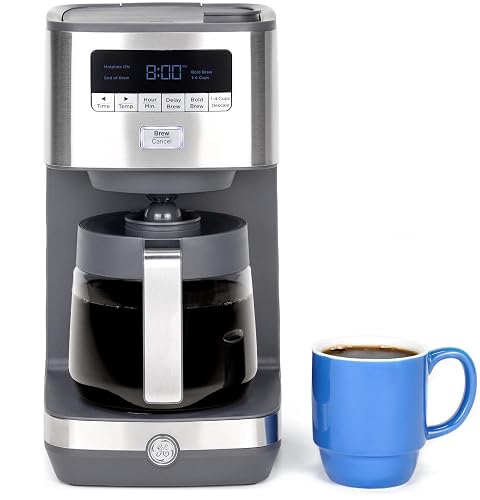
For a standard drip machine, the Mr. Coffee 12-cup Programmable Coffee Maker is a common choice for households: View on Amazon
If you are still deciding which drip style fits your kitchen, What's a Good Coffee Maker? 6 Best Picks for Everyday Brewing (2026) covers the broader options, and Filter Drip Coffee Maker Picks: 6 Best Options for Everyday Brewing (2026) looks at filter-based machines in more detail. If your drip machine is not starting, Why Your Coffee Maker Won’t Start or Begin Brewing walks through common causes.
FAQ
Does a vacuum brewing coffee maker make stronger coffee than drip?
Not necessarily. Strength depends on the dose of coffee relative to water. A vacuum brewer often tastes cleaner rather than stronger, while a drip machine can produce a bolder cup if you use more grounds.
How long does a vacuum brew take?
Brew time varies by model and recipe, but most cycles involve heating, a short steep and then draining. Plan on several minutes per cup batch, and check the manufacturer’s guidance for your specific machine.
Is a vacuum brewer good for beginners?
It can be, but expect a short learning period. Beginners usually get better results once they keep grind size, dose and timing consistent across brews.
How often should I descale either type of machine?
Follow the manufacturer’s recommendation. Many machines suggest descaling every one to three months, with the exact interval depending on how hard your water is and how often you brew.
Can I make cold brew in a vacuum brewer?
Vacuum brewers are designed for hot brewing, so they are not the right tool for cold brew. For cold brew, a dedicated cold brew system or a large immersion vessel is the better fit. Consult the manufacturer’s instructions before using any appliance for a method it was not designed for.
Conclusion
A vacuum brewing coffee maker is the better choice for single-serving or small-batch drinkers who want clarity and control in their cup. A standard drip coffee maker is the better choice for households, busy mornings and anyone who values hands-off convenience. Decide based on how many cups you make, how much attention you want to give brewing and whether flavor clarity or a fuller body matters more to you.
Related reading
- Coffee Maker Troubleshooting: Not Brewing, Weak or Bitter Coffee, Leaks and Espresso Problems
- Vintage Drip Coffee Maker: 5 Best Retro Picks for Everyday Brewing
About Owen Palmer
Owen Palmer is part of our editorial team and reviews and edits our coffee machines guides, checking product details against manufacturer specifications and owner feedback.