 By Owen Palmer
Updated November 2026
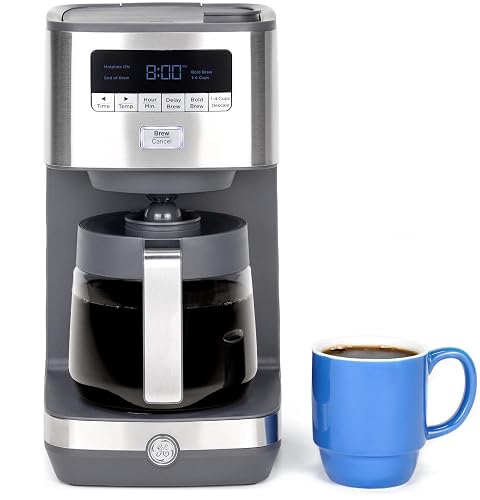
If you want strong, concentrated coffee with a rich, almost espresso-like body and you do not mind standing at the stove, a moka pot is the better choice. If you want a hands-off machine that brews a full pot while you shower and keeps working through a busy morning, a drip coffee maker wins. Most households that drink a lot of coffee end up using the drip machine every day, but the moka pot earns its counter space for people who want something bolder and more hands-on.
| Criterion | Moka pot | Drip coffee maker |
|---|---|---|
| How it brews | Steam pressure pushes hot water up through a packed grind | Gravity pulls hot water through a paper or mesh filter |
| Typical output | About 2 to 6 ounces per brew, depending on pot size | Usually 4 to 12 cups per cycle |
| Flavor profile | Bold, thick, concentrated | Clean, balanced, lighter body |
| Caffeine per serving | Higher per ounce, lower per full brew | Lower per ounce, higher per full brew |
| Hands-on effort | High: you watch the heat and stop at the gurgle | Low: add water and grounds, press start |
| Heat source | Stovetop (gas, electric, induction with a compatible base) | Built-in electric heater |
| Cleanup | Rinse the basket and gasket, dry fully | Discard filter and grounds, wash carafe and basket |
| Best for | Single drinkers, espresso-style cups, stovetop lovers | Households, offices, hands-off routines |
Brewing Method and How Each Machine Makes Coffee
A moka pot is a three-chamber aluminum or stainless steel vessel. You fill the bottom chamber with water up to the safety valve, fill the middle filter basket with finely ground coffee without tamping, and screw the top chamber on. As the bottom water heats, steam pressure forces hot water up a tube and through the grounds. The brewed coffee rises into the top chamber, and you hear a gurgle when the process is nearly finished.
A drip coffee maker works on gravity. A pump or reservoir feeds water over a bed of medium-ground coffee sitting in a paper or permanent filter. The water drips through slowly and collects in a heated carafe. Most home drip machines take several minutes to finish a full pot, and the process runs without your attention once started.
The practical difference is control. With a moka pot, you decide when the brew ends by removing it from heat. With a drip machine, the appliance decides, and your job is mostly to measure correctly and choose a good grind.
Flavor and Strength: Which Tastes Better?
Winner: the moka pot for intensity, the drip coffee maker for balance.
Moka pot coffee is thick and strong. Owners often describe it as closer to espresso than to filter coffee, with a heavy body and sharp, concentrated notes. Because the pressure is modest compared with a true espresso machine, it does not produce crema, and many people find it a bit harsh if they brew it too dark. Using a medium-fine grind and removing the pot from heat as soon as the gurgle starts helps keep bitterness down.
Drip coffee tastes cleaner and more even. The paper filter traps oils and fine particles, so the cup is lighter and easier to drink black in larger volumes. Drip machines are also more forgiving: a slightly off ratio or grind rarely ruins the batch. If you like coffee that tastes of the bean’s origin notes rather than of roasted intensity, a drip maker usually suits you better.
Strength and Caffeine: Which Gives You More?
Winner: depends on how you measure it. The moka pot gives more caffeine per ounce, while the drip maker gives more per full brew.
A moka pot concentrates coffee, so a 2-ounce cup can carry a substantial caffeine load. A full drip pot, however, often delivers more total caffeine across several cups because the volume is much larger. If you drink one small cup and want it to hit hard, the moka pot is the stronger choice. If you refill a mug two or three times over a morning, drip coffee may leave you with more total caffeine. Caffeine content varies widely with bean, roast and brew ratio, so treat these comparisons as general rather than exact. If you have caffeine sensitivity or a medical condition affected by caffeine, check with your doctor about safe daily amounts.
Capacity and Batch Size: Which Brews Enough Coffee?
Winner: the drip coffee maker, by a wide margin.
Moka pots are sized by cups, but a “3-cup” pot usually yields around 5 to 6 ounces of coffee, and the smaller sizes are intended for one or two people. Making more means brewing in batches, which gets tedious. A drip coffee maker handles the whole household in one cycle, and models with larger carafes can serve a small office. If you regularly serve guests or brew for two people who each want two cups, a drip machine is the practical answer. For a single drinker who wants one or two good cups, the moka pot’s small output is an advantage rather than a limit.
Brewing a large pot in a moka pot also tends to overextract the later batches, so the taste drops off as the pot empties. Drip machines keep their quality more consistently across the whole pot, assuming the carafe stays on a warming plate for only a short time.
Ease of Use and Daily Effort: Which Is Less Work?
Winner: the drip coffee maker.
Drip machines are about as simple as coffee gets. You fill the reservoir, insert a filter, add grounds, close the lid and press a button. A programmable model can start the brew before you wake up. You do not need to watch anything.
A moka pot asks for attention. Here is the usual routine:
- Fill the bottom chamber with hot or cold water up to the release valve, not above it.
- Fill the filter basket with finely ground coffee and level it without pressing down.
- Screw the top on firmly and place the pot on medium-low heat.
- Stay nearby and remove the pot from the burner when you hear a steady gurgle, usually within about five minutes.
- Run the bottom under cold water for a few seconds to stop extraction.
Once you learn the rhythm, the moka pot takes only a few minutes. But it does not suit someone who wants to start a pot and walk away. For a clear look at how automatic machines compare on everyday convenience, see Single Serve Coffee Maker vs Drip: 6 Best Picks Compared (2026), which covers the trade-offs between pod systems and carafe brewers.
Cleanup and Maintenance: Which Is Easier to Keep Clean?
Winner: the moka pot for simple parts, the drip coffee maker for fewer steps.
Cleaning a moka pot is quick but needs care. After each use, empty the grounds, rinse the basket and chambers with warm water, and avoid dish soap if you can, because it can leave a flavor residue in the metal. The rubber gasket should be removed and dried so it does not hold odors. Dry the pot completely before storing it with the lid off, which prevents corrosion around the seal.
Drip machines need more periodic maintenance. Discard paper filters and grounds daily, wash the carafe and basket, and wipe the warming plate. The internal parts build up mineral scale over time, especially in hard-water areas. Manufacturers generally recommend descaling every one to three months, depending on use and water hardness, using a commercial descaler or a diluted vinegar solution and then running several rinse cycles with plain water. Follow your model’s manual for the exact steps.
Versatility and Other Uses
Winner: the moka pot, for stovetop flexibility and camping, though drip makers offer more brewing options.
A moka pot works on a gas burner, a camping stove or an electric or induction hob with a compatible base. You can use it anywhere a flame or heat source is available, which makes it handy in a small apartment or a cabin. Drip machines need an outlet and a counter, and they are less portable. If you want a dedicated machine for travel, Travel Drip Coffee Maker: 6 Best Portable Picks for the Road covers compact models that fit that job.
Drip makers offer their own variety. Thermal carafe models keep coffee hot without a heating plate, which avoids the scorched flavor that develops when a glass carafe sits on a warmer. If you are weighing that feature, Thermal Carafe vs. Glass Carafe Coffee Makers Explained lays out the difference clearly.
Cost Per Cup and Ongoing Expenses
Winner: a tie, because the real cost depends on your beans and how much you brew.
Both machines use the same coffee grounds, so the main ongoing cost is the beans. A moka pot uses a relatively small dose per brew, which keeps the per-cup bean cost low when you make one or two servings. A drip maker’s larger batches use more grounds in total, but per cup the difference is often small. Neither machine needs consumables like pods, so you avoid the recurring pod cost that comes with single-serve systems. Replacement parts for a moka pot, such as the gasket or basket, are cheap and easy to find. Drip machines may need carafes, filters or thermal parts over time.
Which Should You Choose?
- Choose a moka pot if you drink one or two strong cups a day and enjoy a bold, espresso-style flavor.
- Choose a moka pot if you like hands-on brewing and do not mind standing at the stove for five minutes.
- Choose a moka pot if you want a camping or travel brewer that runs on a flame.
- Choose a drip coffee maker if you brew for a household, office or guests and need four cups or more at once.
- Choose a drip coffee maker if you want to set it and walk away, including a timer for the morning.
- Choose a drip coffee maker if you prefer a lighter, cleaner cup that you can drink black in large amounts.
For most people who want an everyday machine for a full household, the drip coffee maker is the sensible pick. For a solo drinker who wants intense coffee and enjoys the ritual, the moka pot is the better fit. Many coffee drinkers keep both: a drip machine for the family pot and a moka pot for a quick, strong cup. Browse the lineup on View on Amazon for the stovetop option, and see the carafe brewers on View on Amazon for a common programmable drip model.
If you are still deciding between brewing styles, French Press vs Drip Coffee Maker (2026): Which Is Better for Everyday Coffee? is worth a look, since it compares another popular alternative with the same everyday trade-offs. For a stovetop option with a different look and feel, see Moka Pot Coffee Maker Review: Is the Primula Classic Worth It?, which walks through one widely sold model in detail.
FAQ
Does a moka pot make espresso?
No. A moka pot produces strong, concentrated coffee using steam pressure, but it operates at much lower pressure than an espresso machine. It does not produce true crema, and the drink is closer to a strong stovetop coffee than a classic espresso shot.
Can I use a drip coffee maker for espresso-style coffee?
Not really. Drip machines brew with gravity and lower heat contact time, so they cannot produce the thick, intense shot of an espresso or moka pot. You can brew a stronger pot by using more grounds and a finer grind, but the result still tastes like filter coffee.
Which is safer to use, a moka pot or a drip coffee maker?
Both are safe when used as directed. A moka pot builds steam pressure, so keep the water below the safety valve, never overfill the basket and do not leave it unattended on a burner. Drip machines should be kept away from water sources during cleaning and descaled according to the manual. If you have concerns about safe operation of either appliance, check the manufacturer’s instructions or consult a qualified appliance technician.
How much coffee should I put in a moka pot compared with a drip machine?
For a moka pot, fill the basket level with finely ground coffee without tamping, which usually means a dose that matches the basket’s rated capacity. For drip machines, a common starting ratio is about two tablespoons of medium-ground coffee per six ounces of water, adjusted to taste. Manufacturers’ guides list the exact amounts for each model.
Is one of these machines better for a beginner?
A drip coffee maker is the easier starting point. It requires little skill and produces consistent results with minimal attention. A moka pot is still approachable, but you need to learn to stop the brew at the right moment, and an inexperienced brewer may end up with bitter coffee until they adjust.
Conclusion
Moka pot vs drip coffee maker is not a close call for every reader. The moka pot wins on bold flavor, low cost per brew for a single cup and stovetop portability. The drip coffee maker wins on capacity, convenience and a cleaner, more forgiving cup. Think about how many people you brew for, how much attention you want to give your coffee and what kind of cup you enjoy most. Match the machine to your routine, and whichever you choose will serve you well.
Related reading
- Electric Percolator vs Drip Coffee Maker: 5 Best Picks Compared (2026)
- 7 Best Dual Drip Coffee Makers for Two Pots of Coffee (2026)
- 7 Best Drip Pot Coffee Makers for Everyday Brewing (2026)
About Owen Palmer
Owen Palmer is part of our editorial team and reviews and edits our coffee machines guides, checking product details against manufacturer specifications and owner feedback.